


Custom Restorations for Missing Teeth
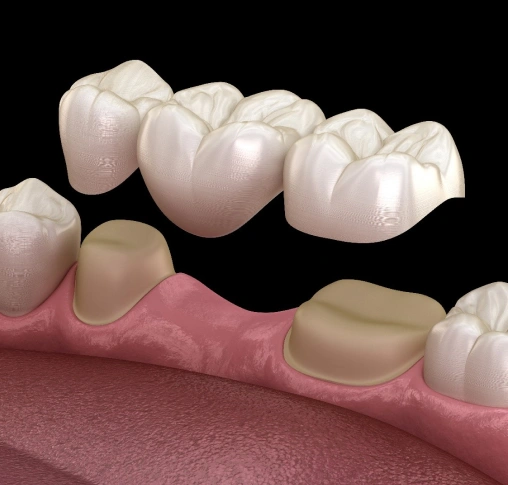
Dentures provide a reliable solution for replacing multiple missing teeth and are commonly made from durable acrylic resin or lightweight metal materials. In contrast, bridges are used to span a space left by one or more missing teeth and are supported by adjacent healthy teeth. Both restorations may be secured through suction, adhesive, or anchoring, and can be removed for easy daily care.
Missing teeth can interfere with chewing, speech, and self-confidence—but help is available. Whether you're missing one tooth or many, Dream Dental & Sleep focuses on delivering comfortable, well-fitting prosthetics that look natural and restore function. We’ll help you explore the option that aligns best with your health, needs, and lifestyle.
Understanding Your Tooth Replacement Options
Dentures and bridges are two commonly recommended options for replacing missing teeth. Dentures are removable appliances designed to mimic the function and look of natural teeth. They are typically used for patients who have lost most or all of their teeth due to decay, injury, or other oral health concerns.
Bridges, on the other hand, are fixed restorations that fill the gap left by one or more missing teeth. These prosthetics are supported by crowns placed over nearby natural teeth. Crafted from lifelike materials like ceramic or porcelain, bridges are color-matched for a seamless appearance.
Dentures are often a more affordable option and are easy to remove for cleaning, though they may feel less secure. Bridges tend to offer enhanced stability and a more natural feel but require reshaping adjacent teeth for support and typically involve a higher upfront cost.
How to Choose Between a Dental Bridge and Denture
Selecting the right restoration depends on multiple factors:
- Number of Missing Teeth: Bridges are often ideal for one or a few missing teeth, while dentures are suited for more widespread tooth loss.
- Location of Missing Teeth: Bridges work well for visible gaps; dentures may offer better support for missing back teeth.
- Oral Health: Healthy supporting teeth favor bridge placement, while extensive damage may make dentures more appropriate.
- Lifestyle Needs: Bridges offer stability for active lifestyles. Dentures can be easier to manage for those who prefer removable solutions.
- Budget: Dentures generally cost less initially. Bridges may have a higher upfront investment but require fewer replacements over time.
Let’s Find the Right Fit for Your Smile
Every smile is unique, and the best choice between a bridge and denture comes down to your individual goals and oral health. At Dream Dental & Sleep, we take time to evaluate your needs and guide you through every option with clarity and care. Ready to explore your best tooth replacement solution? Call us at 724-308-7151 to schedule a consultation today.
Frequently Asked Questions
