

Losing a tooth can feel like a small setback at first. You may adjust how you chew or smile a little less in photos. But over time, that one missing tooth can affect much more than you expect. In Hermitage, where daily life often includes everything from quiet mornings to walks through Buhl Park or visits to local spots like Webb Winery, comfort matters. You want to eat, speak, and live without thinking twice about your teeth. That’s why many patients begin exploring long-term solutions like dental implants in Hermitage when they want to feel stable and natural again.
But what really makes this option worth considering? Let’s break it down in a way that actually helps you decide.
What Happens When You Lose A Tooth
A missing tooth might not seem urgent at first. You may adjust your bite or chew on one side.
Over time, though, changes begin to happen:
- Nearby teeth start shifting into the empty space
- Your bite may feel uneven
- The jawbone in that area can weaken
- Chewing becomes less efficient
These changes happen gradually. That’s why many people don’t notice until the effects become harder to manage.
Why Replacing A Tooth Is More Than A Cosmetic Choice?
Many people think replacing a tooth is only about appearance. While a complete smile does boost confidence, the functional benefits are just as important.
When a tooth is not replaced, the gap can make it harder to chew certain foods. You may avoid tougher or healthier options simply because they feel uncomfortable. Speech can also be affected, especially if the missing tooth is in a visible area.
In a place like Hermitage, where people enjoy seasonal foods and community gatherings, being able to eat comfortably and speak clearly makes a difference in everyday life. Replacing a tooth helps restore that normalcy.
What Makes Implants Are A Popular Solution For Missing Teeth?
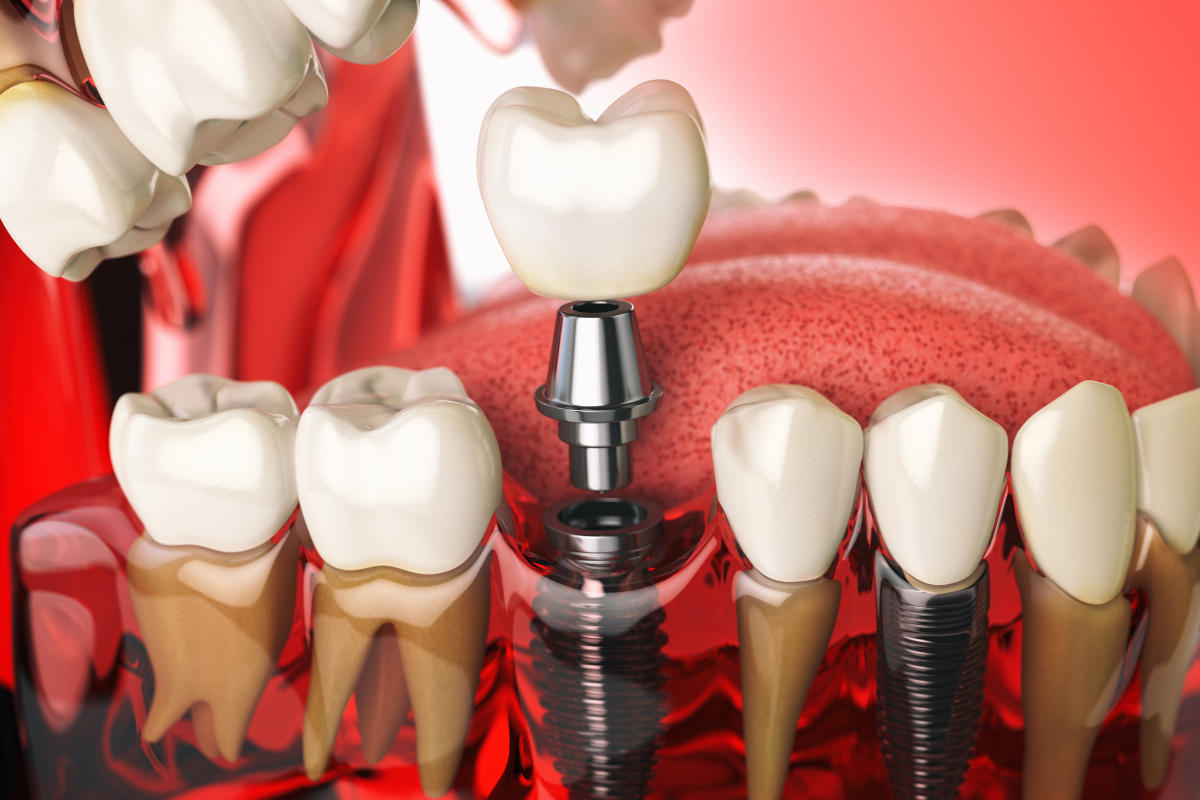
Unlike traditional solutions, dental implants in Hermitage replace both the visible tooth and its root.
That difference matters.
It helps:
- Maintain jawbone strength
- Keep surrounding teeth in place
- Restore natural chewing ability
Instead of sitting on top of the gums, it integrates with your bone. That’s what gives it long-term stability.
How Does The Process Work?
The process is completed in stages, allowing your mouth to heal properly while building a strong, lasting foundation. Each step is carefully planned to ensure comfort and long-term success.
- Placement of the Post: A small titanium post is placed into the jawbone. It acts like a natural tooth root, providing strong support.
- Healing Phase: Over the next few months, the bone bonds with the post through a process called osseointegration. This creates stability.
- Abutment Placement: A small connector piece, called an abutment, is attached to the post. It holds the final tooth securely in place.
- Custom Crown Attachment: A crown is placed on top, designed to match your natural teeth in shape and color.
Each step works together to create a replacement that feels secure, looks natural, and functions comfortably in everyday life.
Why Do Hermitage Locals Prefer Prosthetic Teeth For Everyday Life?
Life in Hermitage has its own pace. Winters can be cold, summers are warm, and there’s always something to enjoy outdoors. Whether you’re walking through local parks, enjoying a meal with family, or attending community events, your teeth are part of those experiences.
A stable tooth replacement allows you to:
- Eat your favorite foods without hesitation
- Speak clearly in conversations
- Smile confidently in social settings
Who Is A Good Candidate For Getting Artificial Tooth Roots?
Not everyone needs the same treatment, but many adults qualify.
You may be a candidate if:
- You have one or more missing teeth
- Your gums are generally healthy
- You have enough bone to support the structure
Even if bone loss has occurred, additional procedures may help prepare the area. A proper evaluation helps determine the best approach.
A Reliable Way To Move Forward
Living with a missing tooth can slowly affect how you eat, speak, and feel in everyday situations. The good part is that today’s solutions, like dental implants in Hermitage, are made to restore not just your smile, but your overall comfort and function. In a community like Hermitage, where people value routine and connection, having a stable, natural-feeling solution makes a real difference. At Dream Dental & Sleep, the focus is on helping you regain that comfort with care that fits your needs and lifestyle. If a missing tooth has been holding you back, schedule a visit with our team to have it evaluated and discuss a solution that feels right for you.
Frequently Asked Questions (FAQs)
Q. How long do dental implants usually last?
With proper care, dental implants can last for many years, often decades. Regular brushing, flossing, and routine dental visits play a big role in keeping them in good condition over time.
Q. Is the implant procedure painful?
Most patients report minimal discomfort during the procedure. Local anesthesia is used, and any soreness afterward is usually mild and manageable with simple care and over-the-counter medication.
Q. How long does the full implant process take?
The entire process can take a few months, depending on healing time. This includes placing the post, allowing the bone to bond, and then attaching the final crown.
Q. Can smokers get dental implants?
Smoking can affect healing and increase the risk of complications. While some smokers may still qualify, dentists often recommend reducing or quitting smoking to improve long-term success.
Q. What foods should I avoid after getting an implant?
During the healing phase, it’s best to avoid hard, sticky, or crunchy foods. Soft foods help protect the area while it heals and allow the titanium post to bond properly with the bone.
Q. Will dental implants look different from my natural teeth?
They are made to match your natural teeth in shape, size, and color. Once placed, they blend in well and are usually not noticeable to others.
Q. Are dental implants safe for older adults?
Yes, age alone is not a limiting factor. Many older adults successfully receive artificial tooth roots as long as they have healthy gums and enough bone support for proper placement.


