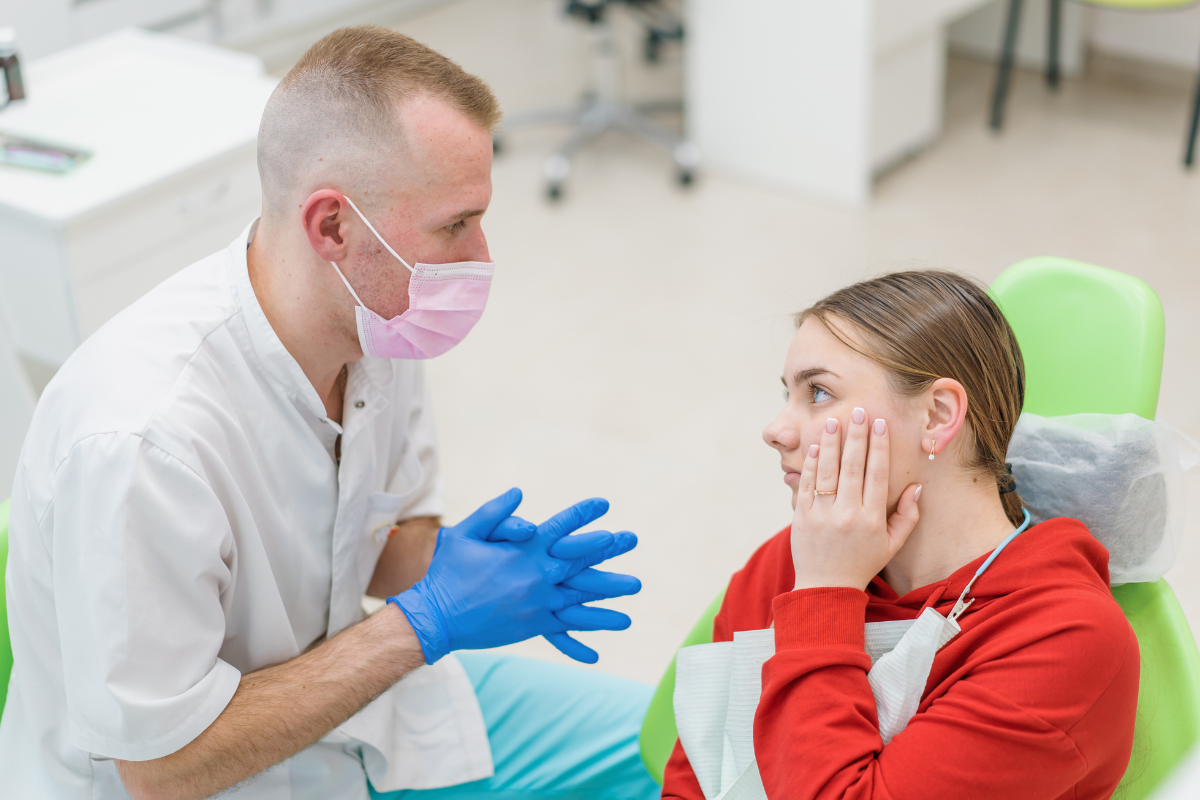

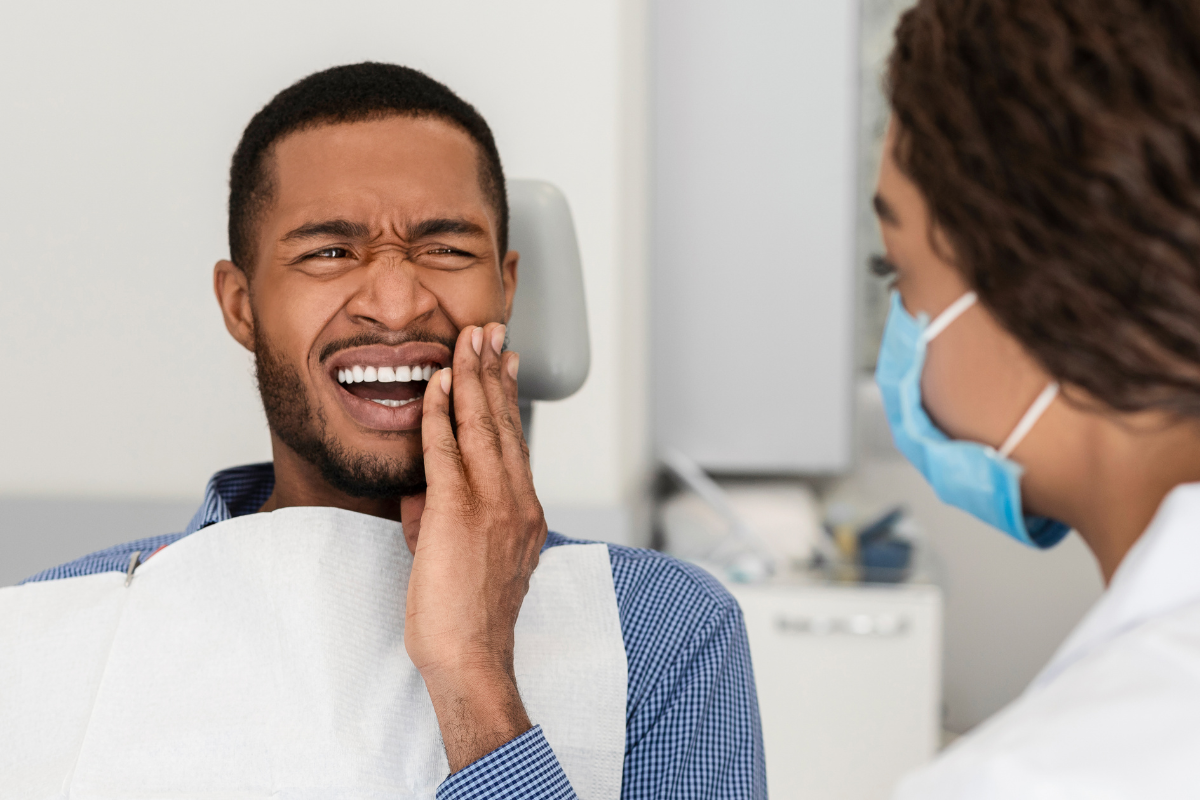
Have you ever wondered if a severe toothache, broken tooth, or knocked-out tooth can still be saved?
A dental emergency often happens without warning. One moment everything feels normal, and the next you’re dealing with intense pain, swelling, or an injured tooth after a fall or accident. Acting quickly can make a significant difference in protecting your oral health and preventing more extensive treatment later.
At Dream Dental & Sleep in Hermitage, Dr. Lombardi understands how stressful unexpected dental problems can be. Seeing an emergency dentist in Hermitage as soon as possible allows many dental injuries to be treated before permanent damage occurs. In this guide, you’ll learn which situations require immediate attention, how prompt treatment protects your natural tooth, what happens during emergency dental care, and why timely treatment often leads to better long-term outcomes for patients throughout Hermitage, Sharon, Farrell, Mercer, and surrounding Pennsylvania communities.
Can an Emergency Dentist Really Save a Tooth?
Yes, many teeth can be preserved when treatment begins quickly.
The goal of emergency dentistry is to relieve pain, control infection, protect surrounding tissues, and preserve the natural tooth whenever possible. The sooner treatment begins, the greater the chance of avoiding permanent damage.
Many patients assume a painful tooth automatically needs extraction. In reality, prompt diagnosis often allows dentists to restore or stabilize the tooth using conservative treatment whenever appropriate.
Common emergencies that may allow a tooth to be saved include:
- Knocked-out teeth
- Cracked teeth
- Broken fillings or crowns
- Dental abscesses
- Severe toothaches
- Trauma from sports injuries
- Fractured teeth
- Injuries involving the gums or supporting bone
On-time evaluation also helps identify dental injuries that are not visible immediately after an accident.
What Dental Emergencies Should Never Wait?
Severe pain, swelling, uncontrolled bleeding, or a knocked-out tooth should be evaluated immediately.
Some problems progress quickly. Others become more difficult to treat the longer they are ignored.
Severe Tooth Pain:
Persistent pain often signals inflammation inside the tooth or an active infection. While pain medication may temporarily reduce discomfort, it does not address the underlying cause.
Knocked-Out Tooth:
A knocked-out permanent tooth has the highest chance of survival when it is replanted quickly. Keeping the tooth moist and seeking immediate treatment greatly improves the possibility of saving it.
Cracked or Broken Tooth:
Even small fractures may expose the inner layers of the tooth to bacteria. Prompt treatment helps protect the dental pulp and reduces the chance of infection.
Swelling or Dental Abscess
Swelling around the gums or jaw may indicate an infection that requires prompt evaluation. Left untreated, the infection can spread beyond the affected tooth.
Lost Crown or Filling
Although this may seem minor, exposed tooth structure can become increasingly sensitive and vulnerable to further damage.
What Happens If You Delay Emergency Dental Treatment?
Delaying treatment can allow small dental problems to become larger, more complex conditions.
Many patients hope discomfort will disappear on its own. Sometimes symptoms temporarily improve while the underlying problem continues to progress.
Waiting too long may lead to:
- Increased infection
- Greater tooth damage
- More extensive restorative treatment
- Damage to surrounding bone
- Gum complications
- Increased discomfort
- Difficulty chewing
- Higher likelihood of tooth loss
A common example involves a cracked tooth. Early treatment may only require a dental crown. If bacteria reach the pulp, root canal therapy may become necessary. If the crack extends below the gumline, the tooth may no longer be restorable.
This is why, Dream Dental & Sleep encourages patients not to ignore persistent symptoms.
How Does Emergency Dental Care Help Protect Your Natural Tooth?
Early diagnosis allows the dentist to stop damage before it becomes irreversible.
Modern emergency dentistry focuses on preserving healthy tooth structure whenever possible.
Depending on your condition, treatment may include:
- Digital dental X-rays
- Comprehensive oral examination
- Dental fillings
- Dental crowns
- Root canal therapy
- Tooth stabilization (splinting)
- Infection management
- Soft tissue repair
Many patients are surprised to learn that prompt intervention often prevents the need for extraction.
In one common situation, a patient arrives after biting down on a hard object. The tooth has fractured, but the nerve remains healthy. Protecting the tooth quickly with a crown may preserve normal function for many years.
Can a Knocked-Out Tooth Be Saved?
A knocked-out permanent tooth should be handled carefully.
Follow these steps immediately:
- Pick up the tooth by the crown only.
- Do not touch the root.
- Gently rinse away visible dirt.
- Do not scrub the tooth.
- Place the tooth back into the socket if possible.
- If that isn’t possible, keep it in milk or a tooth preservation solution.
- Seek emergency dental care immediately.
Quick action significantly improves the chances of successful reimplantation.
Baby teeth should not be replanted. A dentist should evaluate the injury to ensure the developing permanent tooth remains healthy.
What Happens During an Emergency Dental Visit?
The priority is identifying the source of the problem and relieving pain safely.
Every emergency is different, but most appointments follow a similar process.
Your visit may include:
- Review of your symptoms
- Medical and dental history
- Clinical examination
- Digital imaging when needed
- Diagnosis
- Discussion of treatment options
- Immediate treatment whenever appropriate
- Recommendations for follow-up care
Patients often feel relieved simply because they finally understand what is causing their pain.
During the visit, the dental team also checks surrounding teeth, jawbone, gums, and soft tissues to identify injuries that may not be immediately noticeable.
When Should You Contact an Emergency Dentist Instead of Waiting?
Any dental problem causing significant pain, swelling, trauma, or uncontrolled bleeding deserves prompt evaluation.
Schedule an immediate evaluation if you experience:
- Persistent tooth pain
- Facial swelling
- Broken or knocked-out teeth
- Dental trauma
- Bleeding that does not stop
- Broken crowns with severe pain
- Signs of infection
- Difficulty biting comfortably
If symptoms occur outside regular office hours, contact the office for guidance rather than trying to diagnose the problem yourself.
Patients searching for an emergency dentist in Hermitage often discover that prompt care provides answers, pain relief, and treatment before complications develop.
Protect Your Smile with Prompt Emergency Dental Treatment
Dental emergencies rarely improve by waiting. Acting early often gives your dentist more treatment options and increases the likelihood of preserving your natural tooth.
Whether you’re dealing with a severe toothache, dental injury, swelling, or a broken restoration, receiving prompt emergency dental care helps protect both your oral health and your comfort.
At Dream Dental & Sleep, Dr. Lombardi and the dental team provide compassionate care for patients throughout Hermitage, Sharon, Farrell, Mercer, and nearby communities. If you’re facing an unexpected dental problem, don’t wait for symptoms to worsen. Book an appointment with an emergency dentist in Hermitage so the cause can be diagnosed and treated as early as possible.
Frequently Asked Questions(FAQ’S)
1. Can a broken tooth always be repaired?
Not always. The location and depth of the fracture determine whether the tooth can be restored. Early evaluation provides more treatment options and may help preserve the natural tooth. Prompt dental care also reduces the risk of infection and additional damage.
2. How do I know if my toothache is considered a dental emergency?
Pain that is severe, persistent, keeps you awake, causes swelling, or makes chewing difficult should be evaluated promptly. A professional examination can identify the underlying cause and recommend treatment before the condition progresses.
3. Is a lost dental crown considered urgent?
A lost crown may expose the underlying tooth to bacteria, sensitivity, and further damage. Scheduling a dental appointment promptly helps protect the tooth and allows the restoration to be repaired or replaced before complications develop.
4. What should I do if my face becomes swollen because of a tooth?
Facial swelling may indicate an infection or significant inflammation. It should never be ignored. A dental evaluation helps determine the source of the swelling and allows appropriate treatment before the condition becomes more difficult to manage.
5. Can an emergency dental visit prevent a tooth from being extracted?
In many situations, yes. Prompt diagnosis allows dentists to treat infections, repair fractures, stabilize injured teeth, or perform restorative procedures before damage becomes irreversible. Early treatment often creates more opportunities to preserve the natural tooth whenever clinically appropriate.