
Have you ever ignored a persistent toothache, thinking it would go away? What starts as a minor discomfort can quickly turn into a serious issue affecting your overall health. In Hermitage, where residents enjoy outdoor activities at Old Hickory Lake or the Rock Castle Farm festivals, a tooth problem can interrupt the things you love. Ignoring the signs can lead to more pain, invasive treatments, and severe risks. If you’re experiencing discomfort or changes in your teeth, don’t wait—read on to learn the warning signs if you need an extraction and how to avoid serious complications.
When Is Tooth Extraction Recommended By Professionals?
Several factors may indicate that you need to consider a tooth extraction in Hermitage. Recognizing the signs early can help prevent a small problem from turning into something more serious.
1. Persistent Pain Or Sensitivity
If your tooth pain lingers and doesn’t go away after taking over-the-counter medications, it could indicate that the issue has reached the tooth’s pulp or nerves. Pain that intensifies over time should never be ignored.
2. Swelling Or Infection
Swelling around the tooth or a constant bad taste in your mouth could mean that bacteria are infecting the tooth. If the infection spreads, it can cause much more serious problems.
3. Difficulty Chewing Or Swallowing
If you’re struggling to chew properly or find swallowing painful, it may be time to consult a local dentist. Ignoring these symptoms can make daily activities, including enjoying food at Montana’s Rib & Chop House or attending a local event, difficult.
For families who love spending weekends at Rock Castle Farm or hiking in Long Hunter State Park, oral issues should not keep you from enjoying these outdoor activities.
What Happens If You Ignore A Problematic Tooth?
Ignoring a problematic tooth can have serious consequences for your oral health and overall well-being. If an infected tooth is left untreated, it can spread to surrounding tissues and cause other issues, such as:
- Abscess Formation: A pocket of pus that increases pressure and pain.
- Bone Loss: Infection can weaken the jawbone, leading to structural problems.
- Facial Swelling: Infection spreading to the face, neck, or airway.
Delaying the necessary procedure can also affect your ability to enjoy your daily active lifestyle. Timely treatment ensures that you can continue living life without missing out on the activities you love.
Why Delaying Oral Surgery Isn’t Worth The Risk?
It’s tempting to put off dental care when you have a busy schedule, especially with all the local activities. However, delaying the surgery can lead to more significant issues, including:
- Increased Pain And Discomfort: What could have been a minor issue might escalate into a severe problem requiring more extensive treatments.
- Higher Risk Of Infection: Ignoring a problem tooth increases the chances of infection spreading to other parts of your mouth and body.
- Longer Recovery Time: The longer you wait, the more difficult and longer your recovery could be.
In Hermitage, with its beautiful weather and lively community events, no one wants to be sidelined by a tooth issue. Taking quick action can help you get back to enjoying all that the area has to offer.
What To Expect During A Tooth Removal Procedure?
If you need to proceed with a tooth extraction in Hermitage, here’s a breakdown of what to expect:
1. Consultation And X-rays
The dentist will first perform an exam and take X-rays to determine the extent of the problem. This helps them decide the most effective approach for the surgery.
2. Anesthesia Options
You will be given anesthesia to ensure that the procedure is as comfortable as possible. Options include local anesthesia, sedation, or general anesthesia, depending on the complexity of the extraction.
3. The Extraction
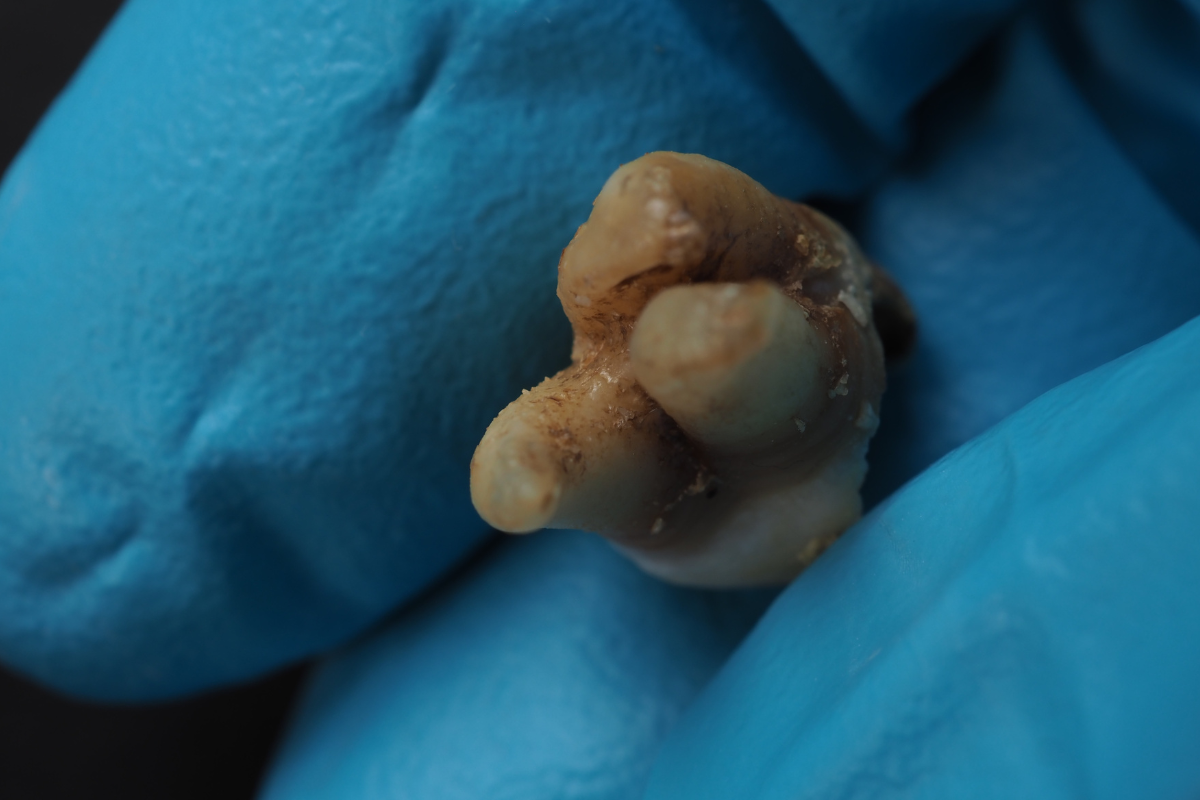
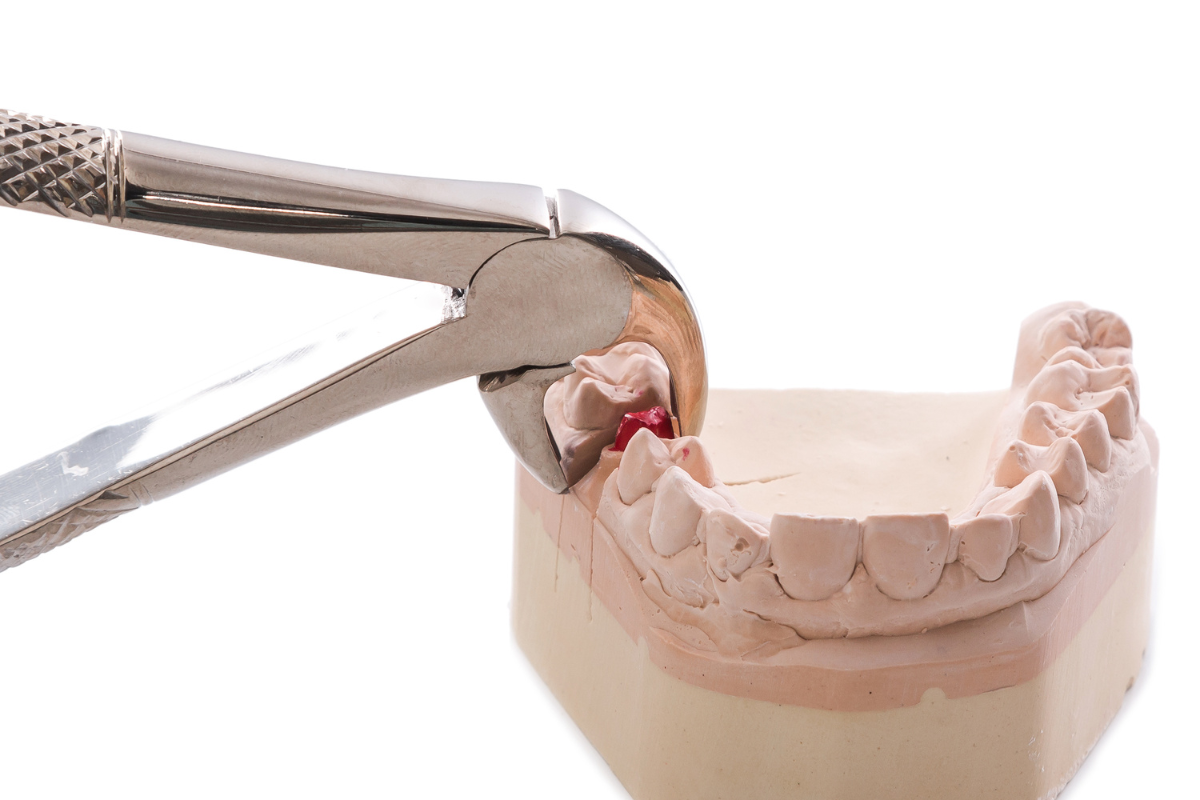
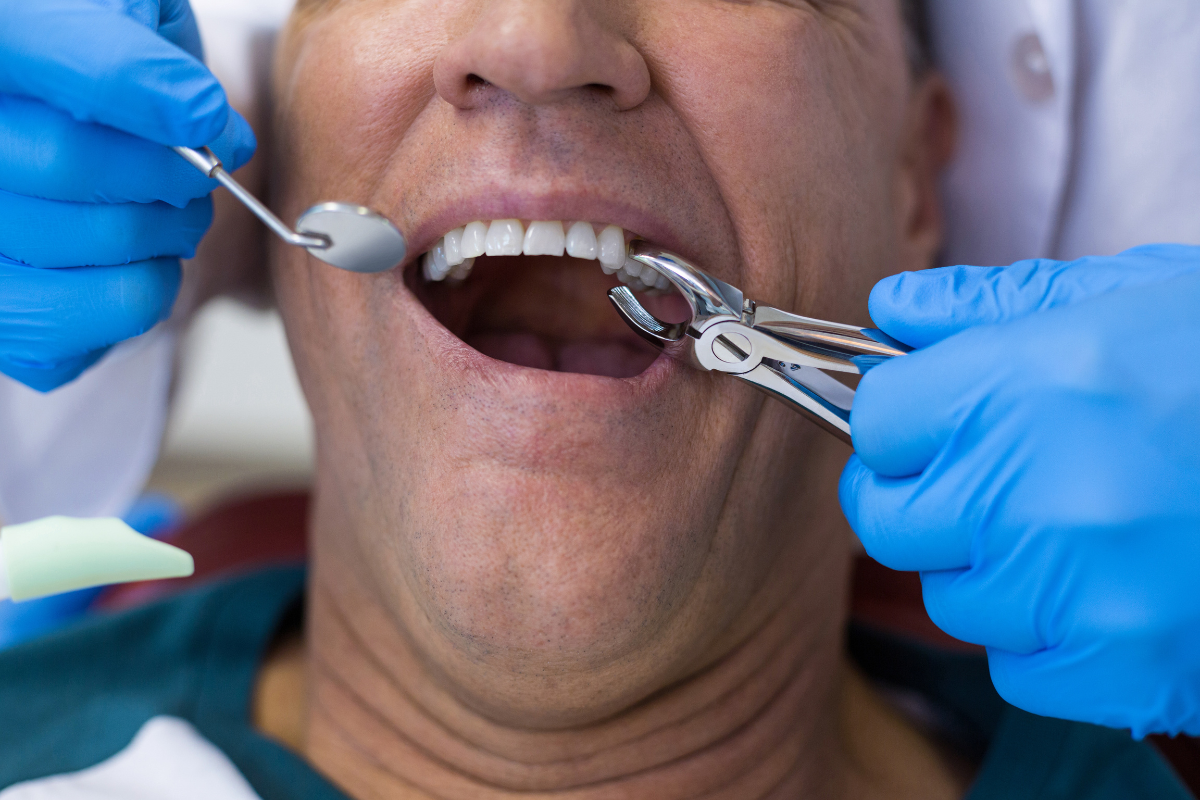
The affected tooth will be carefully removed, and the site may be cleaned and sutured, if necessary.
4. Aftercare and Healing
Post-procedure care is crucial to ensure a speedy recovery. Follow your dentist’s instructions carefully to minimize complications.
How To Prevent The Need For Tooth Pulling?
While some conditions are unavoidable, you can take steps to reduce the need for them. Here are some preventive measures:
- Treat Issues Early: Address cracked, chipped, or decayed teeth before they require treatment.
- Good Oral Hygiene: Brush and floss daily to prevent cavities and gum disease.
- Regular Dental Check-ups: Schedule routine visits to catch issues early.
Book An Appointment For Stress-Free Tooth Extractions
If you’ve been experiencing symptoms that could indicate the need for a tooth extraction, don’t wait. Dream Dental & Sleep offers safe, effective tooth extractions in Hermitage, ensuring that you get the care you need to restore your oral health. We’re here to provide professional, compassionate care to help you get back to your normal activities without worry. Take control of your health today and schedule an appointment with our professional dental team. Let us help you maintain your health and continue enjoying everything the city and the surrounding areas have to offer.
Frequently Asked Questions (FAQs)
1. How do I know if my tooth needs to be extracted?
If a tooth is severely decayed, infected, or causing persistent pain, it may need to be removed. A professional evaluation will determine if removing the tooth is the best option to protect your health.
2. What happens if I wait too long to get a tooth extraction?
Delaying an oral surgery can lead to the spread of infection, increased pain, and damage to surrounding teeth. It may also result in a more complicated procedure and a longer recovery.
3. Can I get my tooth removed while pregnant?
While the surgery is generally safe during pregnancy, it’s best to wait until the second trimester. Your dentist will ensure that any treatment is safe and done with minimal risk to you or your baby.
4. How painful is a tooth pulling?
Most tooth-pulling procedures are performed under local anesthesia, so you shouldn’t feel pain during the procedure. Afterward, there may be some discomfort, but this can typically be managed with over-the-counter medications.
5. Can an infected tooth heal without extraction?
In some cases, an infected tooth can be treated with a root canal to preserve the tooth. However, if the infection is severe and the tooth cannot be saved, exodontia may be necessary.