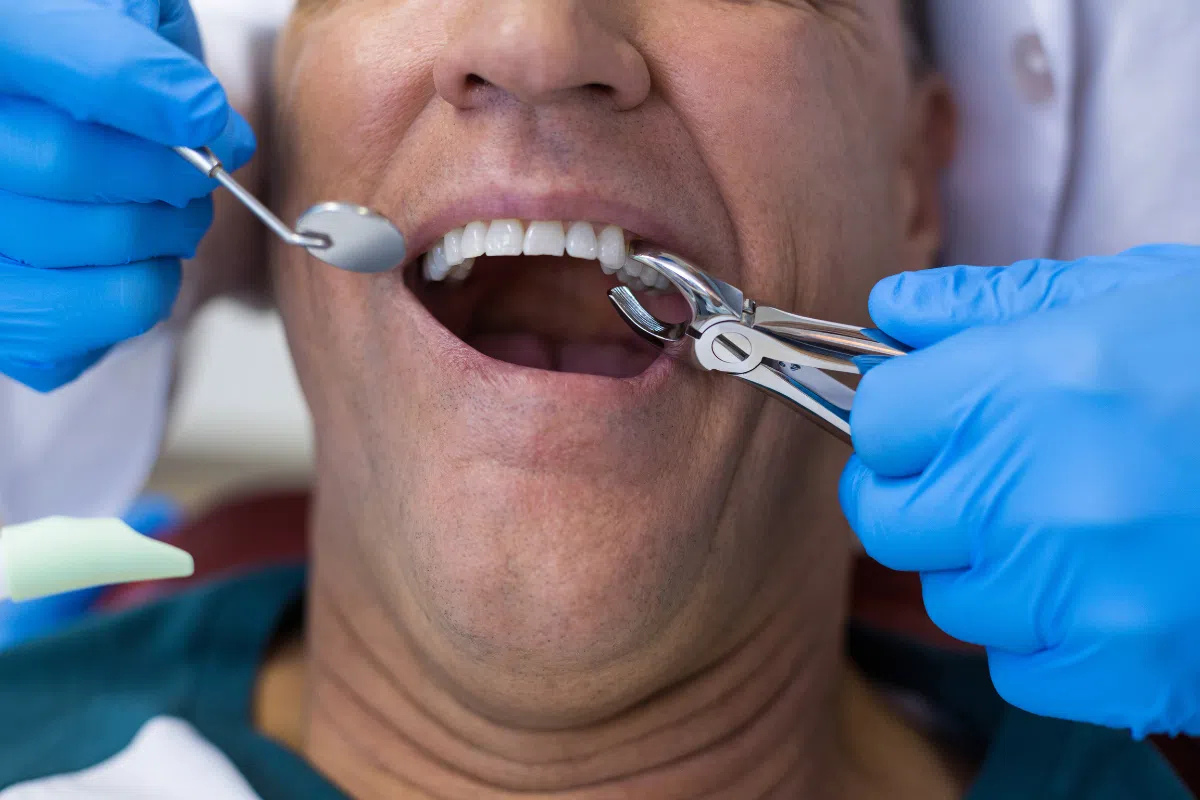

Dental problems are not always something we can ignore, especially when they start affecting our daily lives. As residents of Hermitage, you may be familiar with enjoying local favorites like a visit to the farmers market to indulging in a meal at Pine Tree Inn. Sometimes, despite our best efforts to maintain dental hygiene, certain issues arise that require more than just a filling or root canal. In these cases, dentists may recommend tooth extractions to prevent further complications.
However, sometimes severe tooth problems can arise that require tooth removal. Whether it’s a severe infection, a broken tooth, or overcrowding, knowing the reasons behind this procedure can help you make informed decisions about your dental care. Nevertheless, why do they recommend such a drastic step, and when is it really necessary? Want to learn more about what dental practitioners have to say regarding it?
Meet Our Dentist
At Dream Dental & Sleep, Dr. Domenic Lombardi, our lead dentist, provides compassionate, quality dental care for residents of Hermitage and the surrounding areas. With years of experience, Dr. Trott is known for her gentle approach and thorough understanding of dental procedures, including tooth extractions. Book a consultation to know more about your oral health.
If you are keen to learn more about when proficient dentists like ours recommend extraction, read this blog till the end.
When Do Dentists Recommend Extraction
For locals, tooth extraction in Hermitage might seem extreme, but it’s often the best course of action when a tooth is beyond repair. Here are some common reasons why a dental practitioner may recommend extraction:
Severe Tooth Decay
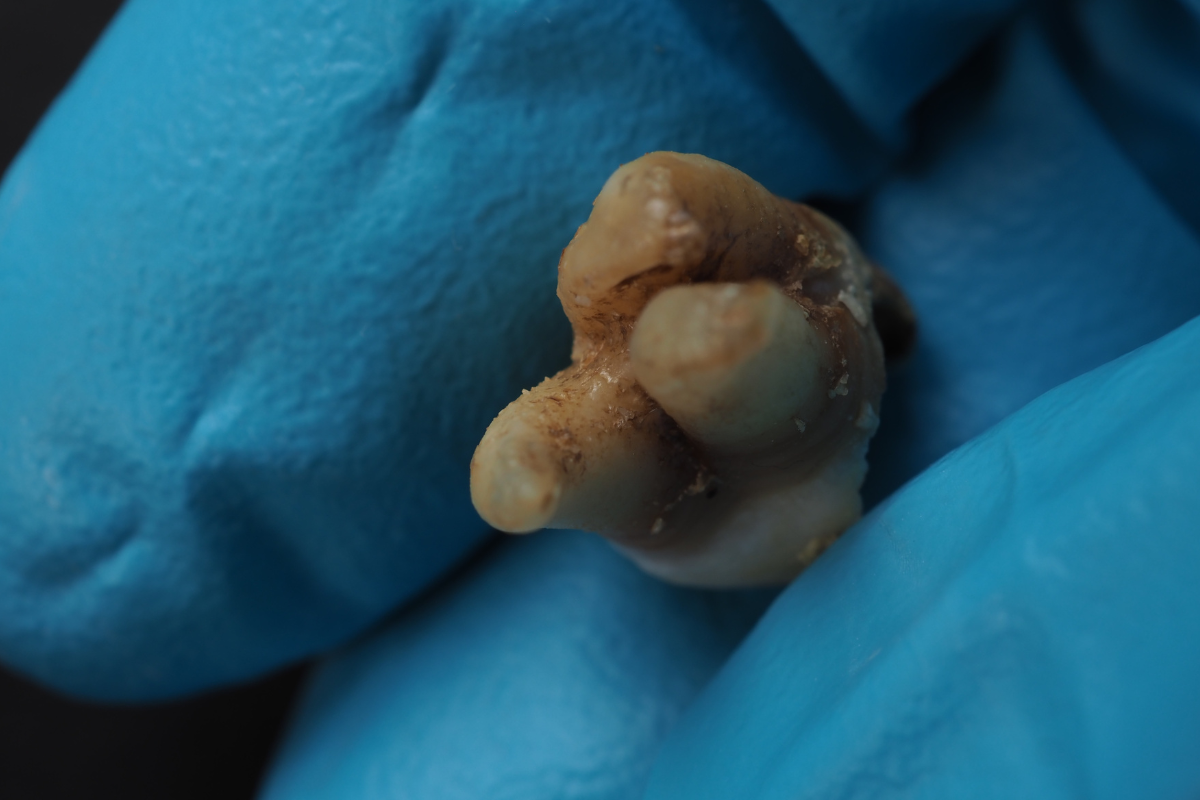
Severe tooth decay is one of the main reasons for extractions. When decay reaches the pulp of the tooth, it can lead to an infection that is difficult to treat with a simple filling. If the infection spreads, it can affect surrounding teeth and even cause bone damage. In these cases, a dental practitioner may recommend removing the tooth to prevent further complications.
Impacted Wisdom Teeth
Wisdom teeth, or third molars, often come in during the late teens or early twenties. Unfortunately, there is often not enough space in the mouth for these teeth, which can result in them becoming impacted. This means they are unable to penetrate the gums properly, leading to pain, infection, and potential damage to nearby teeth. Wisdom tooth removals are common to prevent future issues.
Gum Disease (Periodontal Disease)
Gum disease can lead to the loosening of teeth, making them more prone to damage. If the disease is advanced and the tooth cannot be saved, exodontia may be necessary to preserve the health of the surrounding teeth.
Tooth Fractures
Sometimes, trauma to the mouth can result in a severe tooth fracture that cannot be repaired. If the tooth is fractured below the gumline or if the root is damaged beyond repair, extraction is the best solution to prevent further pain and complications.
Overcrowding
In some cases, particularly in patients undergoing orthodontic treatment, a dental professional may recommend this procedure to reduce overcrowding. Removing one or more teeth allows the remaining teeth to shift into their proper positions and improves the overall alignment.
Infection and Abscess
If a tooth becomes severely infected and cannot be controlled with antibiotics or other treatment, extraction may be the only option to prevent the infection from spreading to other parts of the body.
What Happens During the Extraction Procedure?
If you have been advised to undergo a tooth extraction in Hermitage, it’s normal to feel anxious. However, the procedure is straightforward and done under local anesthesia, so you won’t feel any pain during the process. For more complex extractions, such as impacted teeth, sedation options may be used for your comfort.
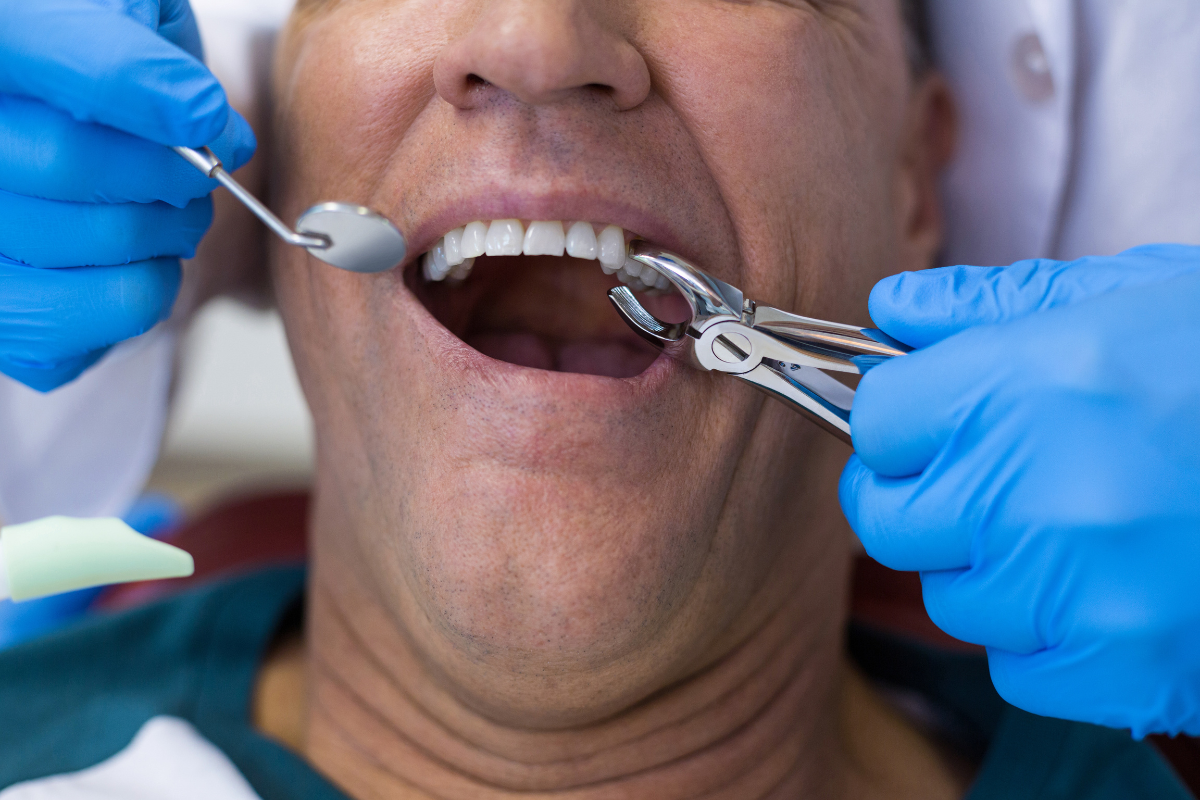
The dentist will start by administering a local anesthetic to numb the area around the tooth. Once the area is numb, the dentist will use specialized tools to loosen the tooth and remove it carefully. Afterward, they may place a stitch in the gum to aid healing.
Aftercare: What to Expect Following a Tooth Extraction?
Proper aftercare is essential to ensure smooth healing after extraction. Your dental practitioner will provide specific instructions to follow, but some general tips include:
- Apply pressure by biting on gauze to manage bleeding and encourage clot formation.
- Avoid drinking through a straw, smoking, or vigorous physical activity for a few days.
- Eat soft foods and avoid chewing directly on the extraction site.
- Follow up with your dentist for any necessary check-ups and to ensure proper healing.
Seek Professional Evaluation for Detailed Information
Extractions may seem like a big decision, but they’re often the best solution for severe dental problems that can’t be fixed by other means. Whether it’s due to infection, overcrowding, or irreversible damage, understanding the reasons behind the need for an extraction can help ease any concerns. The goal is to restore your oral health, prevent further issues, and help you maintain a healthy, confident smile for the long term. At Dream Dental & Sleep, we’re here to guide you through every step of your treatment with personalized care customized to your needs.If you’re unsure about whether extraction is the right option for you, contact us today for a consultation. Dr. Trott will evaluate your dental condition and provide you with personalized treatment options to restore your smile. Book your appointment today and let us help you take the next step toward better oral health. We’re here to ensure that your smile remains healthy and vibrant for years to come.
Frequently Asked Questions(FAQ’s)
What are the signs that a tooth needs to be extracted?
Signs include severe tooth pain, swelling, infection, and difficulty chewing. If the tooth is beyond repair, extraction may be necessary to protect your overall health.
How long does recovery take after a tooth extraction?
Most people recover within a few days. Full healing can take a few weeks, depending on the complexity of the extraction and your oral health habits.
Are tooth extractions painful?
No, the area is numbed with local anesthesia, and you may only feel mild discomfort after the procedure, which can be managed with pain relievers.
Can I eat after a tooth extraction?
Yes, but stick to soft foods for the first few days and avoid chewing directly on the extraction site.
How much does a tooth extraction cost?
Costs vary depending on the type of extraction, but your dentist will provide an estimate based on your treatment plan and insurance coverage.
Is it safe to have a tooth extraction during pregnancy?
It’s generally safe, but it’s important to inform your dentist if you’re pregnant. The procedure may be adjusted to minimize any potential risks.
Can I get an implant after a tooth extraction?
Yes, dental implants are often placed after a tooth extraction, once the area has healed sufficiently. Your dentist will guide you through the process.