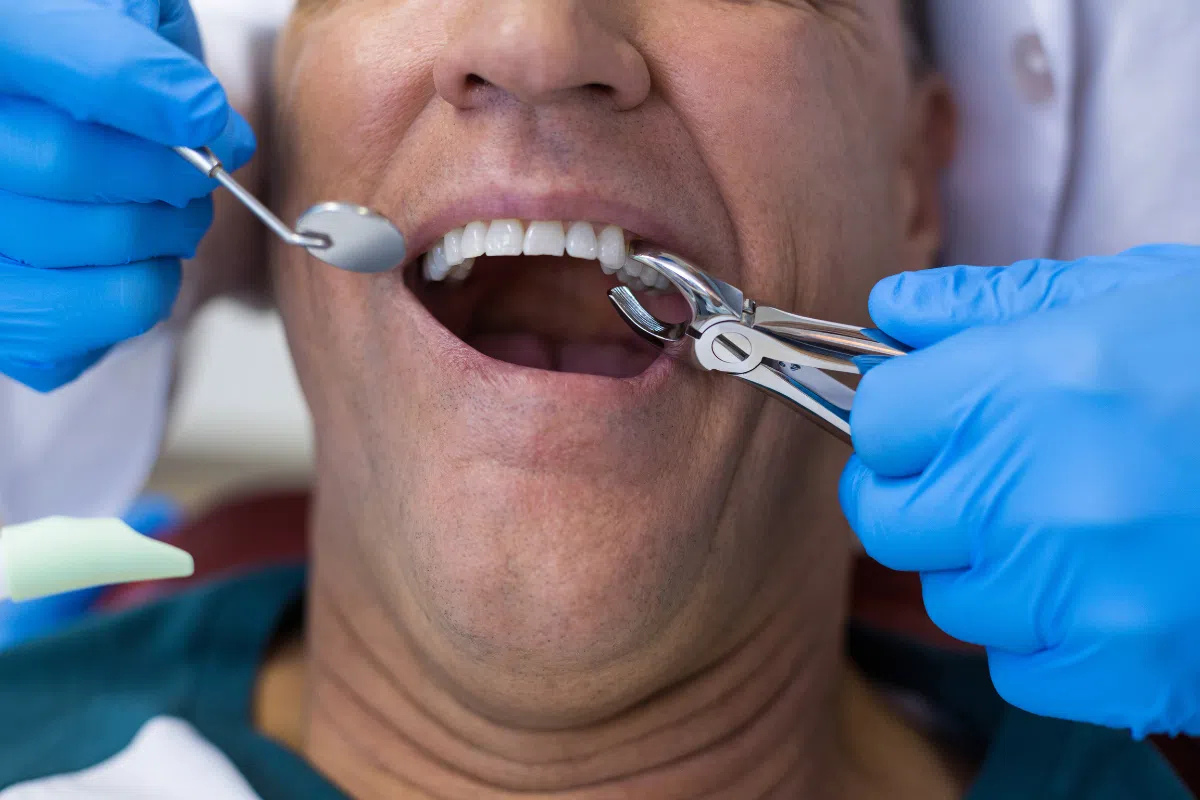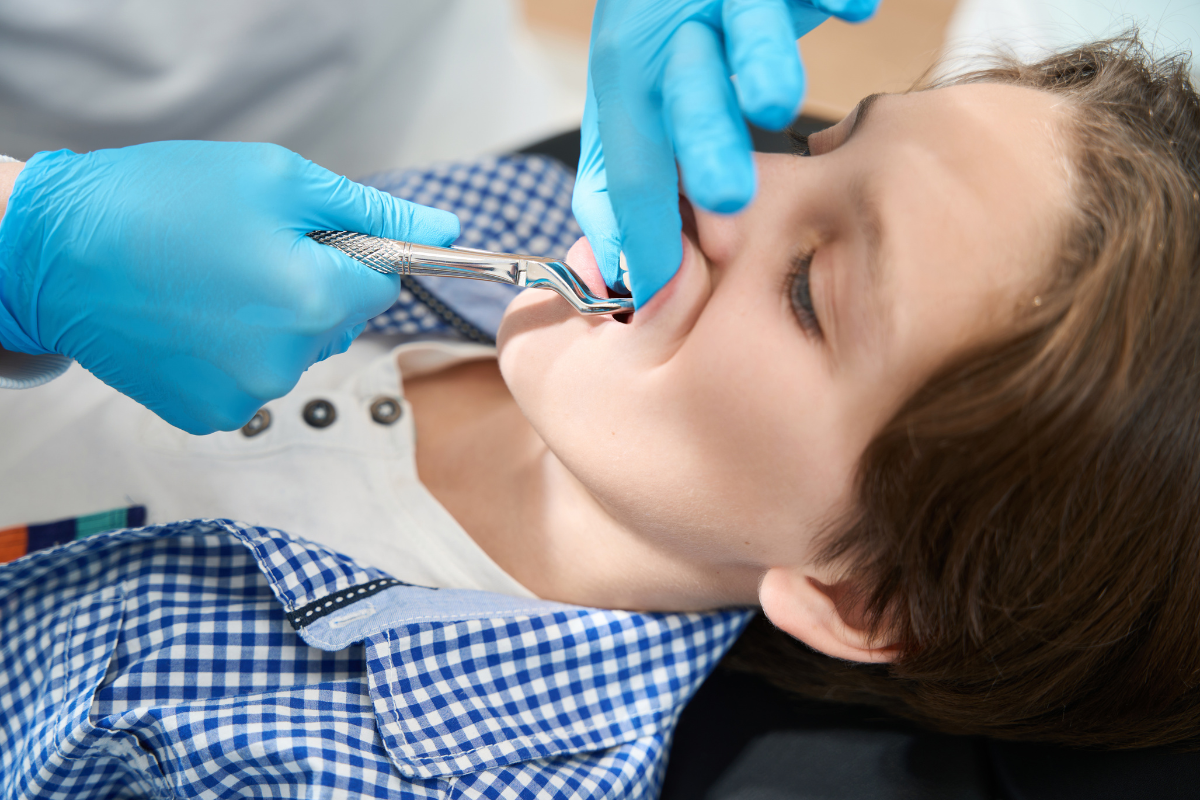

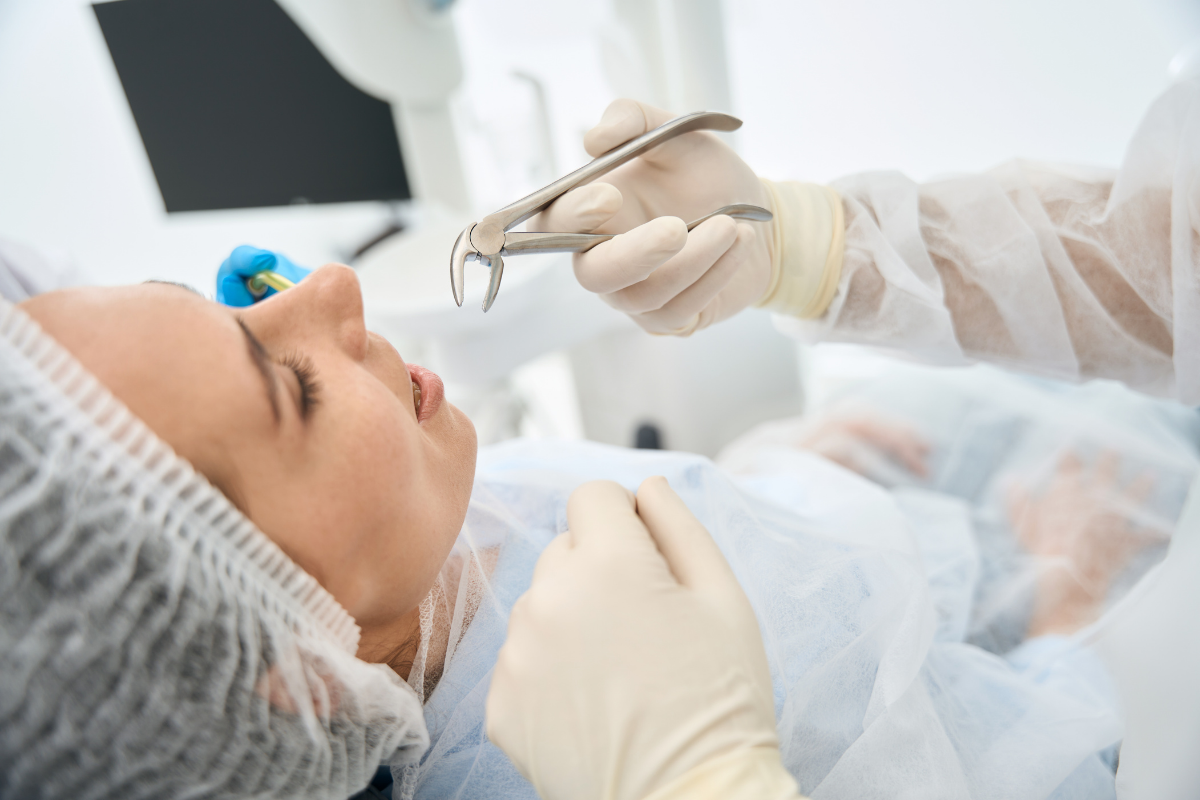
Keeping your natural teeth for as long as possible is usually the goal of dental care. Fillings, crowns, root canal treatment, and periodontal care can often restore or protect a compromised tooth. However, there are situations when keeping a severely damaged or infected tooth can create more problems than removing it.
A tooth extraction is therefore not simply a last resort. When recommended after a thorough examination, removing a tooth may stop infection, relieve ongoing discomfort, protect neighboring teeth, and create a healthier foundation for future dental treatment.
At Dream Dental & Sleep, Dr. Domenic Lombardi and Dr. Ariee Jung evaluate the condition of the tooth, surrounding gums, bone, and nearby teeth before recommending removal. Our goal is to preserve natural teeth whenever reasonably possible while recognizing when extraction offers the healthier long-term outcome.
Common reasons include:
Severe Decay Has Destroyed Too Much of the Tooth
Dental decay begins by damaging the enamel and can gradually extend deeper into the tooth. When detected early, dentists can often remove the decay and restore the area with a filling. More extensive damage may require a crown.
The situation becomes more complicated when decay destroys a substantial amount of tooth structure or extends beneath the gumline.
A dentist must determine whether enough healthy structure remains to support a predictable restoration. If there is insufficient tooth structure to rebuild, extraction may provide a more appropriate long-term solution.
Removing a severely decayed, non-restorable tooth can also reduce the risk of infection affecting the tissues around it.
A Serious Tooth Infection Cannot Be Predictably Treated
Bacteria can enter the inner pulp of a tooth through deep decay, cracks, fractures, or dental trauma. Infection within the pulp can eventually spread into tissues around the tooth root and may lead to an abscess.
Root canal therapy can often treat an infected tooth while allowing the natural tooth to remain in place. The American Dental Association notes that root canal treatment can be used to repair and save severely damaged, decaying, or infected teeth.
However, root canal treatment cannot save every tooth.
If the tooth is structurally non-restorable, severely fractured, or has another problem that makes predictable restoration unlikely, extraction may be recommended.
Signs that deserve prompt dental evaluation include persistent toothache, swelling, tenderness when biting, gum swelling, drainage, or a recurring pimple-like bump near a tooth.
Dental infections should not simply be managed repeatedly with temporary symptom relief. The source of the infection needs appropriate dental treatment.
A Tooth Is Cracked or Broken Beyond Repair
A chipped tooth does not automatically require extraction. Dental bonding, fillings, crowns, and other restorative treatments can repair many forms of damage.
Deep fractures are different.
A crack that extends significantly below the gumline or involves the root may make predictable restoration difficult or impossible. Severe trauma can also leave too little stable tooth structure for a crown or another restoration.
When evaluating a fractured tooth, we consider:
- Where the fracture is located
- How deeply it extends
- Whether the root is affected
- How much healthy structure remains
- The condition of the surrounding bone and gums
- Whether the tooth can support a durable restoration
Extraction is considered when retaining the tooth is unlikely to provide a stable or healthy result.
Advanced Gum Disease Has Weakened Tooth Support
Healthy teeth depend on more than strong enamel. They also need healthy gums, periodontal ligaments, and adequate supporting bone.
Periodontal disease can gradually damage these supporting structures. As the condition advances, teeth may become increasingly mobile because they no longer have adequate periodontal support.
Periodontal treatment can help many patients control gum disease and retain their teeth. However, a severely loose tooth with extensive loss of supporting tissue may no longer have a predictable prognosis.
In such circumstances, removal can become part of a broader plan to stabilize oral health.
Patients seeking tooth extractions in Hermitage due to a loose tooth should still have the underlying periodontal condition evaluated. Removing one severely compromised tooth does not eliminate gum disease affecting other areas of the mouth.
An Impacted Tooth Is Causing Problems
An impacted tooth is unable to erupt normally through the gums. Wisdom teeth are among the teeth most commonly associated with impaction.
Not every impacted tooth automatically needs removal. Its position, symptoms, surrounding tissues, and effects on nearby teeth should first be evaluated.
Removal may be considered when an impacted tooth contributes to:
- Repeated gum inflammation or infection
- Tooth decay
- Periodontal problems
- Damage to a neighboring tooth
- Pain or pressure
- Other clinically identified complications
Dental X-rays help determine the tooth’s position beneath the gums and its relationship with neighboring structures. This information allows the dentist to decide whether monitoring or removal is more appropriate.
There Is Not Enough Space for Proper Alignment
Sometimes a tooth is healthy, but the mouth does not have enough room for all the teeth to align appropriately.
In selected orthodontic cases, removing one or more teeth can create space needed to correct significant crowding or achieve a more functional bite. Extraction in this situation is not performed because the tooth itself is diseased.
Instead, it forms part of a coordinated orthodontic treatment plan.
The decision depends on factors such as tooth position, jaw dimensions, degree of crowding, bite relationship, and the planned movement of other teeth. Tooth removal for orthodontic purposes should therefore be based on comprehensive treatment planning rather than crowding alone.
Patients considering tooth extractions in Hermitage should receive an individual assessment because two teeth with similar symptoms can require very different treatments.
Should a Tooth Be Saved or Extracted?
This is one of the most important questions to answer before proceeding with tooth removal.
Whenever a tooth has a reasonable prognosis, preserving it may be preferable. Depending on the problem, treatment could include a filling, crown, root canal treatment, periodontal therapy, or another restorative procedure.
However, preserving a tooth simply because it is natural is not always beneficial.
A severely compromised tooth may continue to cause infection, discomfort, chewing problems, or damage to nearby tissues. In these situations, extraction may provide a healthier and more predictable path forward.
The decision should consider both the immediate problem and the long-term prognosis of the tooth.
What Happens During a Tooth Extraction?
Understanding the procedure can make the idea of extraction less intimidating.
At Dream Dental & Sleep, treatment begins with a thorough evaluation to confirm that removal is appropriate. The procedure and aftercare are then explained so patients understand what to expect.
Local Anesthesia
The treatment area is numbed with local anesthesia. Patients may notice pressure or movement during removal, but the purpose of anesthesia is to prevent procedural pain.
Tooth Removal
For a straightforward extraction, the tooth is carefully loosened and removed. A surgical approach may be required when a tooth is impacted, broken, or otherwise difficult to access.
Managing the Extraction Site
Depending on the procedure, sutures may be placed to help manage the surgical area. Gauze is commonly used afterward to help control initial bleeding and support blood-clot formation.
Aftercare Instructions
Patients receive instructions covering eating, cleaning the mouth, activity, discomfort management, and protection of the extraction site.
What Does Recovery After an Extraction Involve?
The first several days are particularly important because a protective blood clot forms inside the socket and supports early healing.
Some tenderness, minor bleeding, and swelling can occur after treatment. The amount varies according to the location of the tooth, complexity of the extraction, and individual healing response.
During early recovery, patients are generally advised to:
- Follow all post-treatment instructions
- Avoid disturbing the extraction site
- Eat softer foods as directed
- Keep the mouth clean without aggressively brushing the socket
- Avoid forceful rinsing
- Avoid straws during early healing
- Avoid smoking because it can interfere with healing
- Contact the dental office if symptoms become concerning
One complication after extraction is dry socket, which can occur when the protective blood clot is lost or disrupted. Protecting the extraction site during early healing helps reduce this risk.
Patients undergoing tooth extractions in Hermitage should follow the specific instructions provided for their procedure rather than relying on a universal recovery schedule.
What Happens After a Permanent Tooth Is Removed?
Extraction solves the immediate problem, but treatment planning may continue after the area heals.
A missing permanent tooth can sometimes affect chewing, appearance, bite stability, or the position of neighboring teeth. Whether replacement is necessary depends on which tooth was removed, the condition of the remaining teeth, and the patient’s overall treatment plan.
Possible replacement options can include:
- Dental implants
- Fixed dental bridges
- Partial dentures
Not every extraction requires the same next step. For example, wisdom teeth generally do not need replacement, while replacing another permanent tooth may help restore function.
Discussing future restoration before or after extraction allows patients to understand the complete plan rather than viewing removal as an isolated procedure.
When Should You See a Dentist About a Problem Tooth?
Do not wait for dental pain to become severe before arranging an evaluation.
Schedule a dental examination if you notice persistent tooth pain, facial or gum swelling, a badly broken tooth, recurring infection, increasing tooth mobility, or difficulty chewing on one side.
Seek prompt attention when swelling progresses rapidly, particularly when it is accompanied by fever, difficulty swallowing, or difficulty breathing. Significant spreading infection can require urgent medical attention.
Early assessment may also increase the number of treatment options available. A tooth that can be restored today may become considerably harder to save if decay, infection, or structural damage continues to progress.
Protect Your Oral Health With the Right Treatment Decision
Removing a tooth is not always the first treatment considered, but there are times when it is the appropriate decision for protecting the rest of your smile. Severe decay, irreparable fractures, advanced periodontal damage, problematic impaction, and certain orthodontic concerns can all make extraction necessary.
At Dream Dental & Sleep, we evaluate the affected tooth and discuss whether it can reasonably be preserved before recommending removal. If you are dealing with persistent dental pain or have been told that you may need tooth extraction, schedule an evaluation to understand your treatment options and the next steps for your oral health.
Frequently Asked Questions(FAQ’s)
1. How do dentists decide whether to save or extract a tooth?
Dentists evaluate decay, fractures, infection, remaining tooth structure, gum support, bone health, and restorability. If treatment cannot provide a stable long-term result, extraction may be recommended to prevent additional oral health complications from developing.
2. Is it better to have a root canal or remove the tooth?
When a tooth can be predictably restored, root canal therapy may preserve it. Extraction becomes appropriate when structural damage, fractures, periodontal problems, or other factors make saving the natural tooth unlikely to provide a stable outcome.
3. What happens if I leave a badly damaged tooth untreated?
An untreated damaged tooth may develop worsening decay, infection, abscess formation, pain, or damage to surrounding tissues. The exact risks depend on the tooth’s condition, making a dental examination important before symptoms become more severe.
4. How long does it take to recover from a tooth extraction?
Early healing generally occurs over the first one to two weeks, although recovery varies with extraction complexity and individual health. The socket continues filling with healing tissue afterward, so complete internal healing takes considerably longer.
5. Can I return to work after having a tooth removed?
Many people resume routine activities within several days, but recovery depends on extraction complexity and individual comfort. Rest is generally recommended immediately afterward. Follow your dentist’s instructions regarding exercise, work, diet, and other activities carefully.
6. Do all impacted wisdom teeth need to be removed?
No. Impacted wisdom teeth without disease or complications may sometimes be monitored. Removal may be recommended when there is infection, decay, periodontal disease, pain, damage to neighboring teeth, or another clinically identified oral health concern.
7. Do I need to replace a tooth after extraction?
It depends on the tooth and your oral health. Wisdom teeth generally require no replacement. For other permanent teeth, implants, bridges, or partial dentures may be considered to restore chewing function and maintain bite stability.