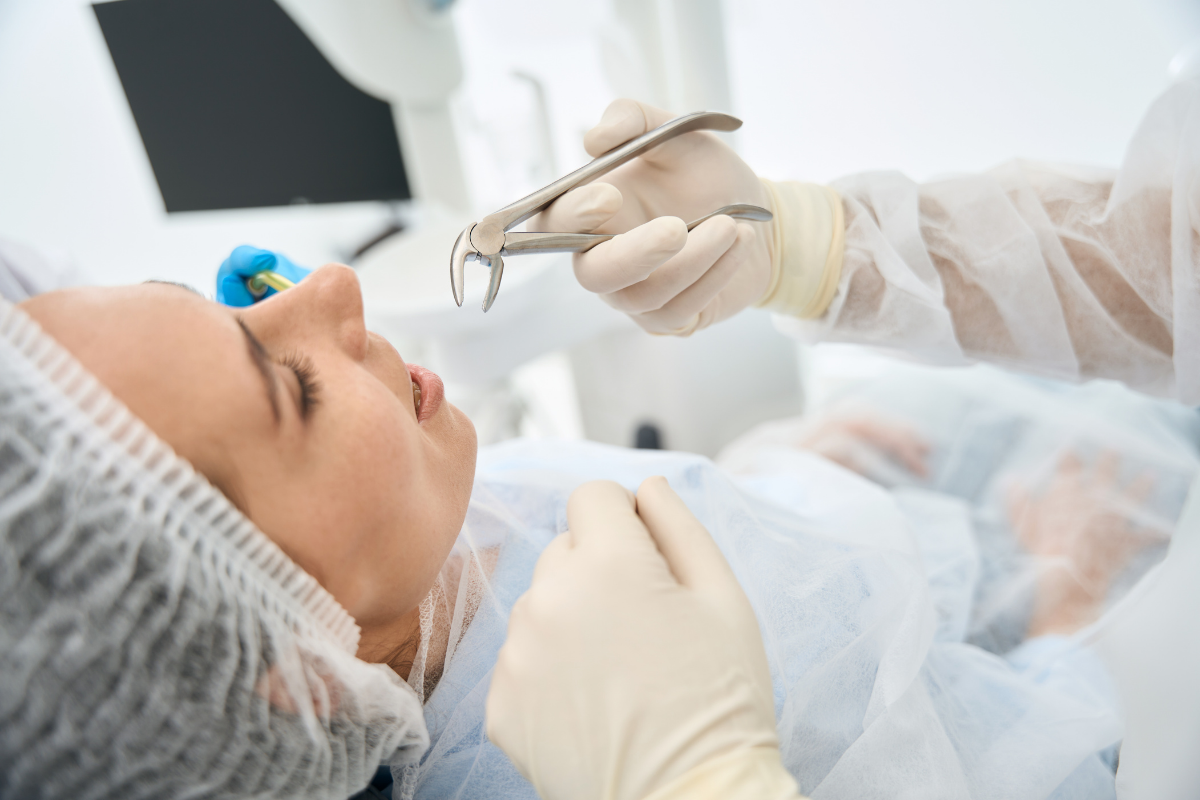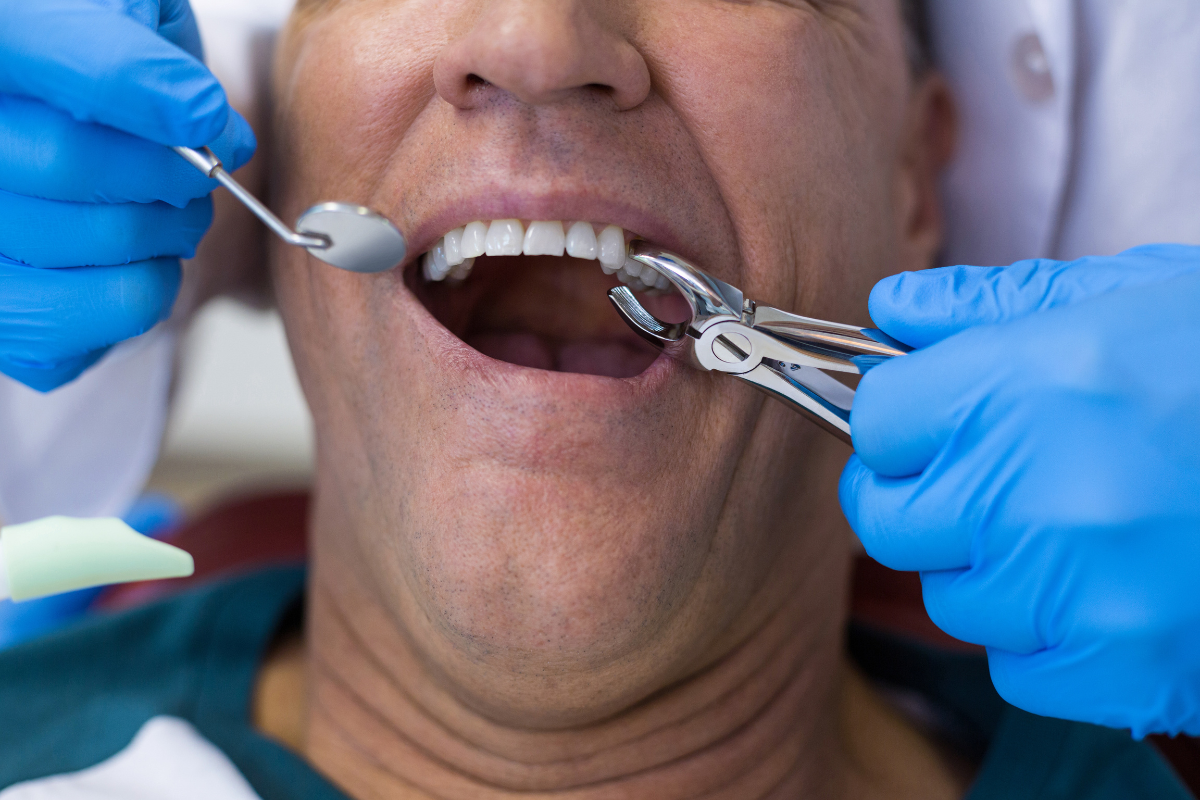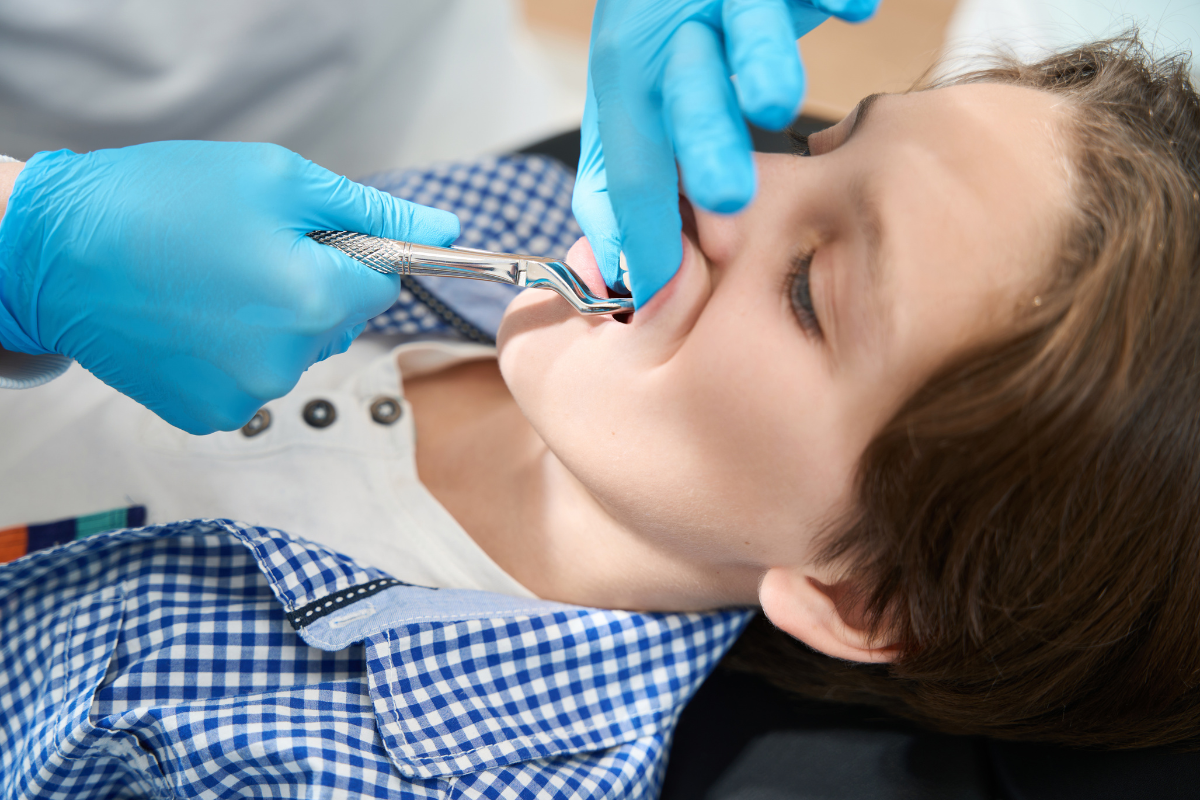

Dental practitioners always want to save the teeth. However, there are still some times when it becomes impossible to protect it. Tooth pain usually has a reason behind it. It might start as a little sensitivity when you eat, or sometimes swelling and pressure can suddenly appear, disrupting your day. Many folks hesitate to see the dentist right away, hoping the pain will go away on its own. But delaying care can lead to infections and more serious damage spreading further into your mouth. The American Dental Association reports that untreated dental problems can affect chewing, sleep quality, speech, and overall health. Early treatment often prevents more serious complications later.
After enjoying sticky treats or hot drinks during cold Pennsylvania winters, many residents notice tooth sensitivity becoming harder to ignore. In some cases, preserving oral health means removing a severely damaged tooth before it affects nearby teeth and gums. Patients seeking tooth extractions in Hermitage often want to understand when removal is the healthiest option rather than a last resort. Dream Dental & Sleep provides patient-focused care for individuals dealing with damaged, infected, or problematic teeth. Understanding the warning signs early can help patients make informed decisions before discomfort becomes more serious.
Some Dental Problems Do Not Improve Without Treatment:
Certain oral health conditions continue to progress over time. Ignoring them often increases discomfort and raises the risk of infection spreading to nearby areas. These are the situations when the tooth extraction surgery becomes the right option to protect oral health:
Severe Tooth Decay Can Reach Deep Structures:
Cavities that extend deep inside the tooth may damage the pulp and surrounding tissues. Once bacteria reach these inner areas, discomfort often becomes constant. Chewing may feel painful, and temperature sensitivity may worsen quickly.
Dental Infections Can Affect More Than One Tooth:
Untreated infections may spread into nearby gums or surrounding teeth. Swelling, pressure, and bad taste in the mouth often develop together. Professional evaluation becomes important before the condition worsens.
Cracked Teeth Sometimes Cannot Be Repaired:
Large fractures weaken the tooth structure significantly. Some cracks extend below the gumline and compromise stability. In these situations, removal may help protect surrounding oral tissues from further complications.
Could Wisdom Teeth Be Causing Hidden Problems?
Wisdom teeth often create problems long before visible symptoms appear. Many people do not realize these teeth are affecting nearby structures until discomfort becomes noticeable. If you are considering tooth extraction in Hermitage due to wisdom tooth pain, learn about the hidden issues caused by third molar teeth:
Crowding Can Shift Nearby Teeth:
Wisdom teeth sometimes push against neighboring teeth during eruption. This pressure may affect bite alignment and create tight spaces that trap bacteria and food debris.
Partial Eruption Raises Infection Risks
Some wisdom teeth remain partially trapped beneath the gums. These openings allow bacteria to collect around the area easily. Swelling and tenderness may develop repeatedly over time.
Jaw Pressure May Trigger Daily Discomfort
Impacted teeth sometimes create pressure near the jaw and surrounding tissues. Patients may notice headaches, soreness, or difficulty chewing comfortably during daily activities.
Residents spending weekends around parks or attending community events downtown often postpone care until wisdom-tooth discomfort begins to interfere with sleep or meals.
Signs Your Mouth May Need Immediate Attention:
Some symptoms should never be ignored because they may signal worsening infection or serious damage inside the mouth. These are the signs you should look for:
Persistent Swelling Around the Gums:
Swollen gums near one tooth often indicate infection beneath the surface. The area may feel warm, tender, or painful when pressure is applied.
Difficulty Chewing Certain Foods
Pain while eating crunchy or chewy foods may signal structural damage. Sharp discomfort usually indicates the tooth can no longer handle normal biting pressure.
Lingering Bad Breath or Unpleasant Taste
Ongoing bad breath sometimes points to trapped bacteria or infection. If mouthwash and brushing do not improve it, a professional evaluation becomes necessary.
Sudden Tooth Mobility
Loose teeth may result from advanced decay, trauma, or gum issues. Movement usually means that the supporting structures have weakened significantly.
Recurring Pain That Interrupts Daily Life
Pain that returns repeatedly often signals deeper oral health problems. Temporary relief rarely resolves the underlying condition permanently.
How Professional Evaluation Helps Protect Nearby Teeth?
Proper diagnosis helps determine whether a tooth can still function safely or whether removal is better suited to long-term oral health. This is how the professional method benefited patients:
Digital Imaging Reveals Hidden Damage:
Modern dental imaging helps identify infections, fractures, and bone changes below the gums. Some issues remain invisible during routine visual examinations alone.
Early Care Helps Prevent Wider Complications:
Removing a severely damaged tooth early may help preserve neighboring teeth and gum health. Delaying care can increase inflammation and bacterial spread.
Personalized Treatment Planning Matters
Each patient’s oral condition differs. Dental professionals evaluate symptoms, bone support, and surrounding tissues before recommending the most appropriate treatment approach.
During football season and holiday gatherings, many families seek dental care only after pain disrupts meals and conversations with loved ones.
Protecting Long-Term Oral Health Starts With Timely Action:
Addressing serious dental problems early often reduces future complications and helps maintain healthier oral function over time. Patients who receive timely treatment often avoid worsening pain and additional dental complications. Early evaluation also provides clearer treatment options before conditions become advanced and start affecting neighboring teeth.
For patients considering tooth extractions in Hermitage, understanding when removal becomes necessary can help prevent long-term oral health complications. Dream Dental & Sleep provides compassionate care focused on protecting comfort, function, and overall oral wellness through carefully planned treatment solutions. So book an appointment today.
Frequently Asked Questions(FAQ’s)
Can a severely damaged tooth affect nearby teeth?
Yes. Infection and bacteria may spread into the surrounding gums and nearby teeth over time. Untreated damage can also affect bite pressure and create additional oral health concerns that require more complex treatment later.
What happens if an infected tooth stays untreated?
An untreated infection may continue spreading deeper into the gums and jaw area. Swelling, discomfort, and chewing difficulty often become more severe as bacteria continue affecting nearby tissues and structures.
Are wisdom teeth always removed?
No. Some wisdom teeth erupt normally and function without problems. Removal usually becomes necessary when crowding, impaction, swelling, or repeated discomfort begins affecting surrounding oral structures and daily comfort.
Can swelling near a tooth disappear without treatment?
Swelling may temporarily reduce but still return later. Persistent inflammation usually indicates an underlying issue that requires professional evaluation before the condition progresses further or affects neighboring teeth and gums.
How can someone tell if tooth pain is serious?
Pain that interrupts sleep, chewing, or daily activities often signals a deeper problem. Sensitivity combined with swelling, pressure, or bad taste may indicate infection or structural damage needing prompt attention.
Does delaying dental treatment increase complications?
Yes. Minor problems may become more difficult to manage when ignored for long periods. Early care often helps prevent worsening infections, structural damage, and discomfort that can affect overall oral function.