
The thought of tooth extractions can be intimidating, but it doesn’t have to be. Whether it’s due to a damaged tooth, overcrowding, or an infection, the idea of a tooth being removed often triggers anxiety. But modern dentistry has transformed the surgery into a quick, efficient, and comfortable procedure. If you’re feeling nervous, there’s a way to make the experience much easier.
In this blog, we’ll explore why tooth extractions in Hermitage may be necessary, guide you through what to expect during the procedure, and offer tips to help ease any concerns. With the right approach, you can face the procedure with confidence and leave with a healthier smile.
Why Are Tooth Extractions Sometimes Necessary?
Tooth removal is often the best solution when a tooth is beyond repair. Some common reasons for this procedure include:
Tooth decay: When decay reaches deep into the tooth, it may not be salvageable with a filling or root canal.
Infection: If the tooth infection cannot be treated with antibiotics, removal may be necessary to prevent it from spreading.
Overcrowding: In some cases, when there isn’t enough space in the mouth, teeth need to be removed to prevent misalignment or other dental problems.
Periodontal disease: If gum disease causes teeth to loosen or deteriorate, dental removal might be required.
No matter the reason, a local dental care professional in Hermitage will carefully assess your condition and recommend the most appropriate treatment plan. If the surgical way is the best solution, there’s no need to worry.
Can A Dental Removal Procedure Affect My Other Teeth?
One common concern is whether removing a tooth will negatively impact nearby teeth. If left untreated, missing teeth can cause shifting, leading to misalignment of your remaining teeth. However, a properly planned oral surgery followed by a solution like a dental implant can prevent this issue. The professional can discuss the best way to maintain the integrity of your smile post-treatment.
The Tooth Removal Process: What To Expect?
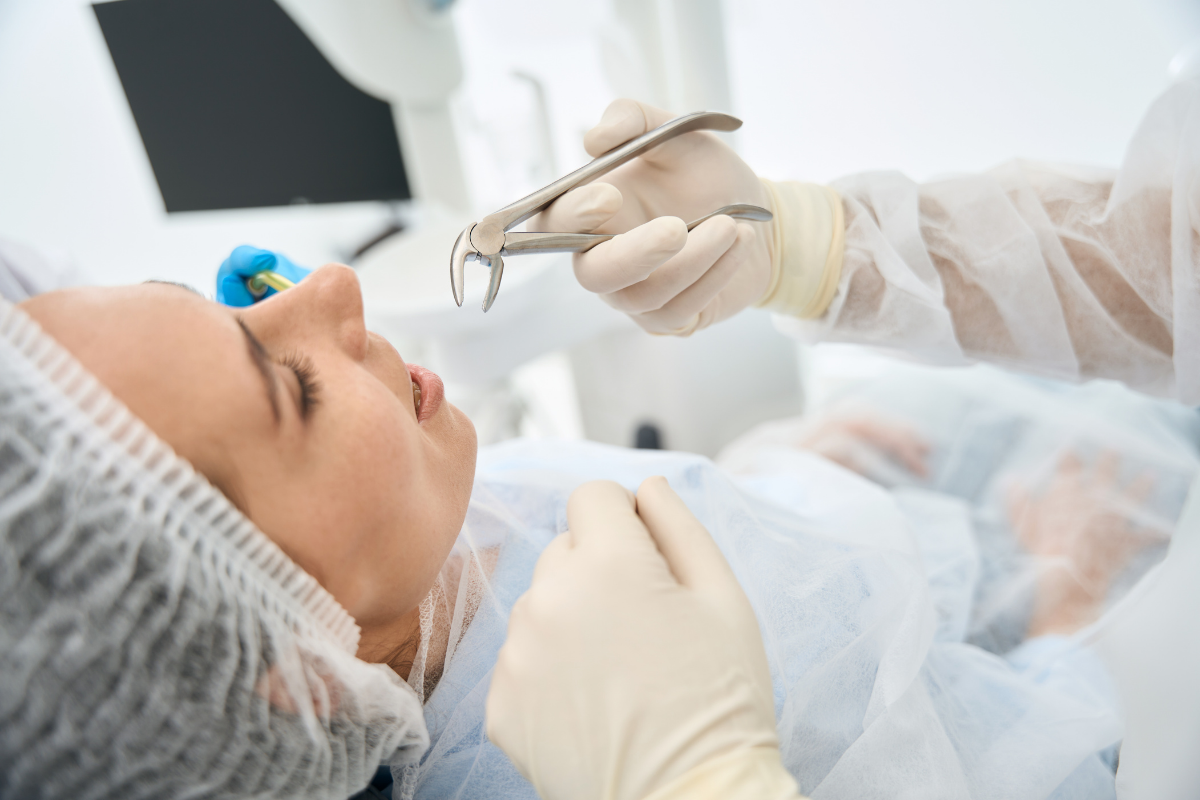
One of the most important things to know is that a tooth extraction procedure is generally quick and straightforward. In many cases, it can be done right in your dentist’s office, and the procedure is planned to be as painless as possible.
Here’s what you can expect during your appointment:
- Consultation and Examination: The dentist will assess the tooth, often using X-rays, to determine whether removal is necessary.
- Anesthesia: To ensure a painless experience, the area will be numbed with local anesthesia. For those with anxiety, sedation options may be available.
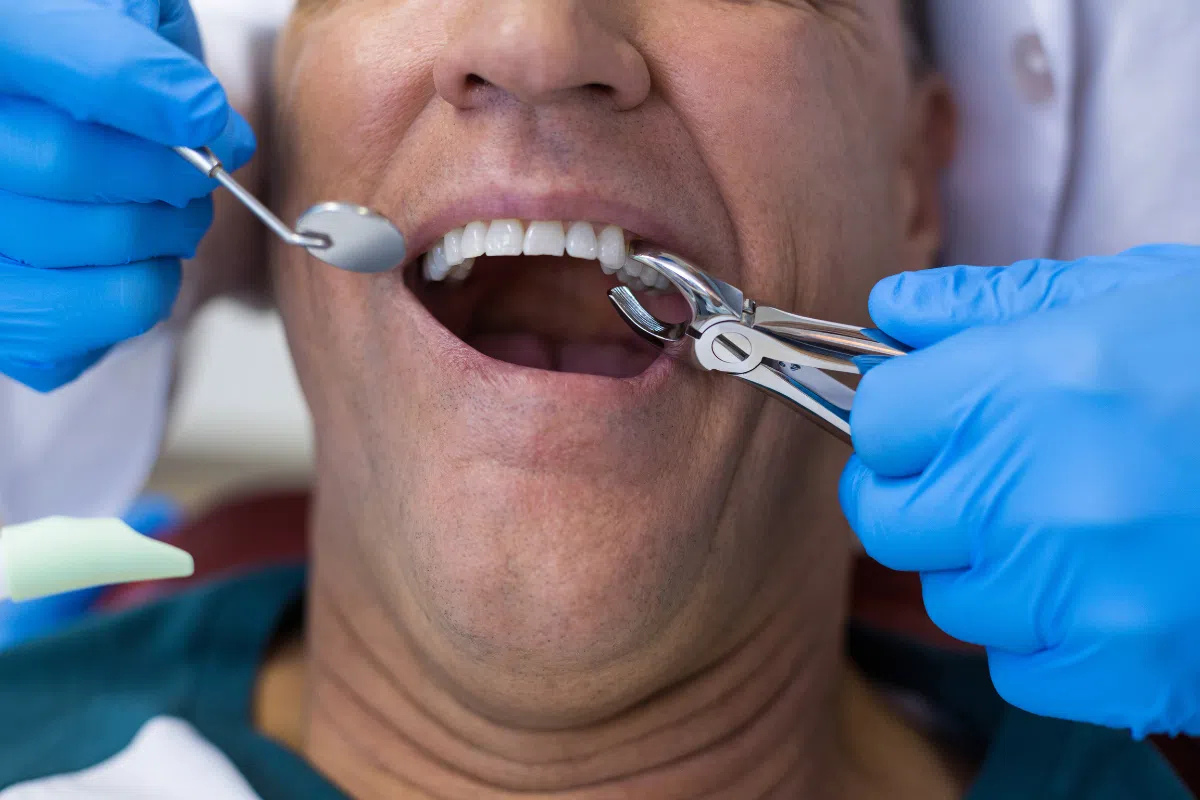
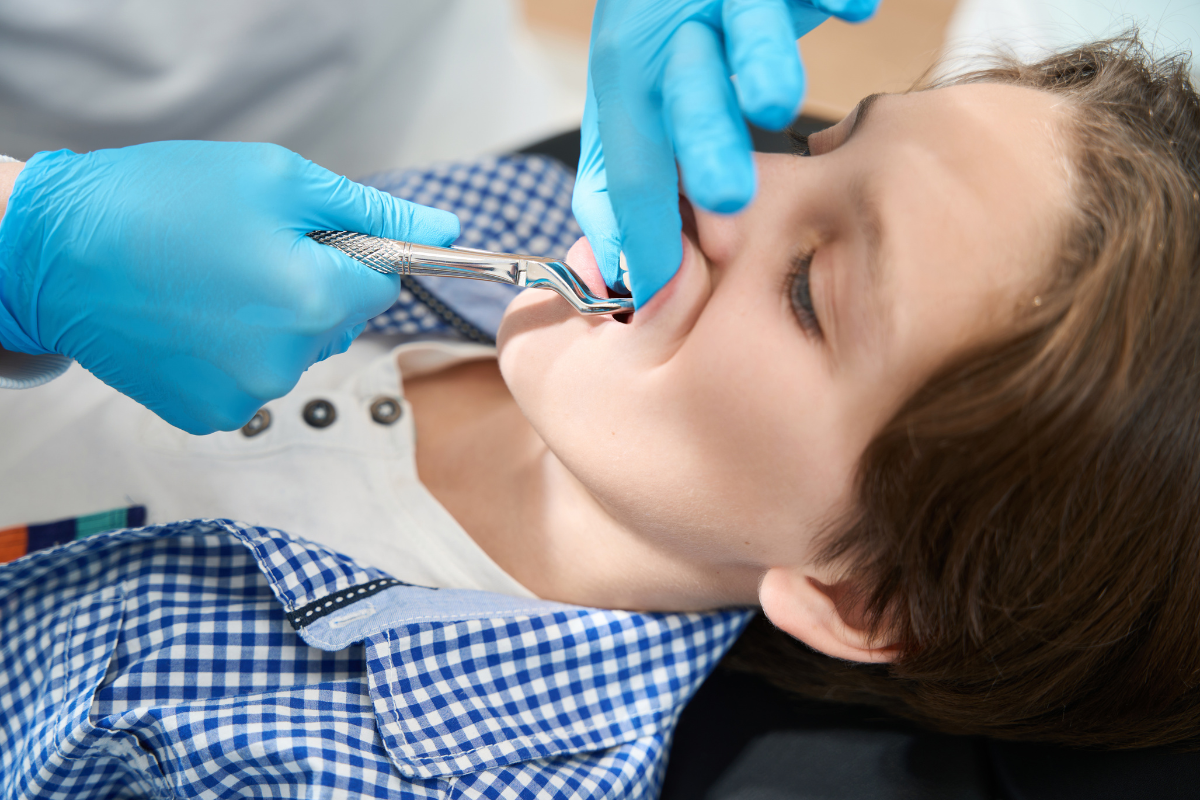
- Extraction: The infected or damaged tooth will be removed carefully. In most cases, this involves loosening the tooth before pulling it out.
- Post-Procedure Care: After the surgery, you will receive proper aftercare instructions. It’s important to follow these to ensure proper healing.
How Long Does It Take To Heal After Oral Surgery?
The healing time after extracting a tooth depends on several factors, including the complexity of the procedure and your overall health. In most cases, you can expect a 1-2 week healing period for initial recovery. However, full recovery, including bone healing, may take several months. Proper care during recovery, including following your dentist’s instructions, will ensure a smooth, quick healing process.
How To Manage Post-Extraction Discomfort?
Some level of discomfort is normal, but this can be managed effectively with the right approach:
- Pain Relief: Use the prescribed medications to relieve pain or swelling.
- Swelling: Applying a cold compress to your face can help reduce swelling and alleviate discomfort.
- Diet: Stick to soft foods for the first few days after the procedure to avoid irritating the surgical site.
- Oral Hygiene: You can resume brushing your teeth, but be careful around the site to avoid irritation. Gently rinse with warm salt water to keep the area clean.
Following these aftercare tips will help you recover comfortably and quickly, minimizing discomfort and reducing the risk of infection.
What To Do If You Experience Severe Pain?
If you’re feeling severe pain beyond the first few days, it may indicate a problem like dry socket or infection. In such cases, you must seek professional help. They can evaluate the situation and recommend appropriate treatment to alleviate the pain and prevent further complications. Early attention can help you avoid long-term issues and speed up the recovery process.
Can I Go Back To Work After Getting My Tooth Removed?
In many cases, you can return to work 1-2 days after the procedure, depending on how well you are feeling. If your surgery was a simple procedure, you may only need to rest for a short period before resuming normal activities. For more complex cases, such as impacted teeth, you may need a longer recovery time. Be sure to consult your dentist on when it’s appropriate to return to your usual routine.
What Are The Risks And How To Minimize Them?
Although complications after tooth removal are rare, it’s important to be aware of potential risks. These may include:
- Infection: Ensuring proper care and following your dentist’s instructions will help minimize this risk.
- Dry Socket: This painful condition occurs when the blood clot in the surgical site dislodges. Avoid sucking through straws or smoking during the healing period.
- Bleeding: A small amount of bleeding is normal, but excessive bleeding should be addressed by your dentist immediately.
By following all post-operative guidelines and visiting our dental office in Hermitage for follow-up care, you can reduce these risks and ensure proper healing.
How To Maintain Oral Health After Tooth Removal?
Proper care is essential to avoid complications and promote healing. Some tips for maintaining oral health include:
- Avoid hard foods for a few days.
- Rinse gently with salt water to keep the site clean.
- Follow oral hygiene routines as directed by your dentist.
Receive A Stress-Free Tooth Extraction With Guided Care
If you’re looking for a tooth extraction in Hermitage, trust our local dentist to provide a comfortable, efficient, and compassionate experience. With their expertise, they will ensure your procedure goes smoothly, focusing on helping you feel relaxed and confident. Whether you’re enjoying the warm summer festivals or a peaceful hike around the Hermitage Foreshore area, you’ll be able to return to your daily activities quickly after your procedure.
In conclusion, tooth removal is a safe, routine procedure that can improve your oral health and overall well-being. By choosing a trusted local dentist, you’re ensuring a smooth, stress-free experience from start to finish. If you need an oral surgery, don’t hesitate to schedule a consultation with our dental care professional at Dream Dental & Sleep to discover how they can make the process as comfortable as possible. Book Now!
Frequently Asked Questions (FAQs)
Q. How long does a tooth extraction take to heal?
Healing time typically ranges from 7 to 10 days. However, full recovery may take several weeks, depending on the complexity of the extraction and individual healing factors.
Q. Is an oral surgery painful?
The procedure is generally painless due to local anesthesia. Afterward, mild discomfort or swelling may occur, which can be managed with prescribed medications or over-the-counter pain relievers.
Q. What should I avoid after a tooth removal surgery?
Avoid smoking, drinking through straws, and consuming hot or hard foods immediately after the procedure. These actions can disrupt the healing process or cause complications like dry socket.
Q. Can I brush my teeth after a tooth extraction?
Yes, you can brush your teeth, but avoid the surgical site for the first 24 hours. Gently clean the area around it to keep the mouth fresh and promote healing.
Q. How do I know if I have an infection after a tooth extraction?
Symptoms like increased pain, swelling, or a bad taste in your mouth may indicate an infection. If these persist, contact your dentist to prevent further complications and ensure proper care.