
Missing teeth can affect more than your appearance. They can change how you eat, speak, and feel about your smile. Many people also notice shifting teeth, uneven bite pressure, and difficulty chewing certain foods after losing a tooth.
If you have been exploring long-term solutions for a missing tooth, understanding the treatment process can help you make an informed decision.
At Dream Dental & Sleep, local patients often ask what to expect before, during, and after treatment. Under the care of Dr. Trott, individuals seeking dental implants in Hermitage can receive a detailed evaluation and a personalized treatment plan designed to restore function and confidence. This guide explains each stage of the journey, from the first consultation to your final restoration, so you know exactly what lies ahead.
Why Are Implant-Based Tooth Replacements Considered a Long-Term Solution?
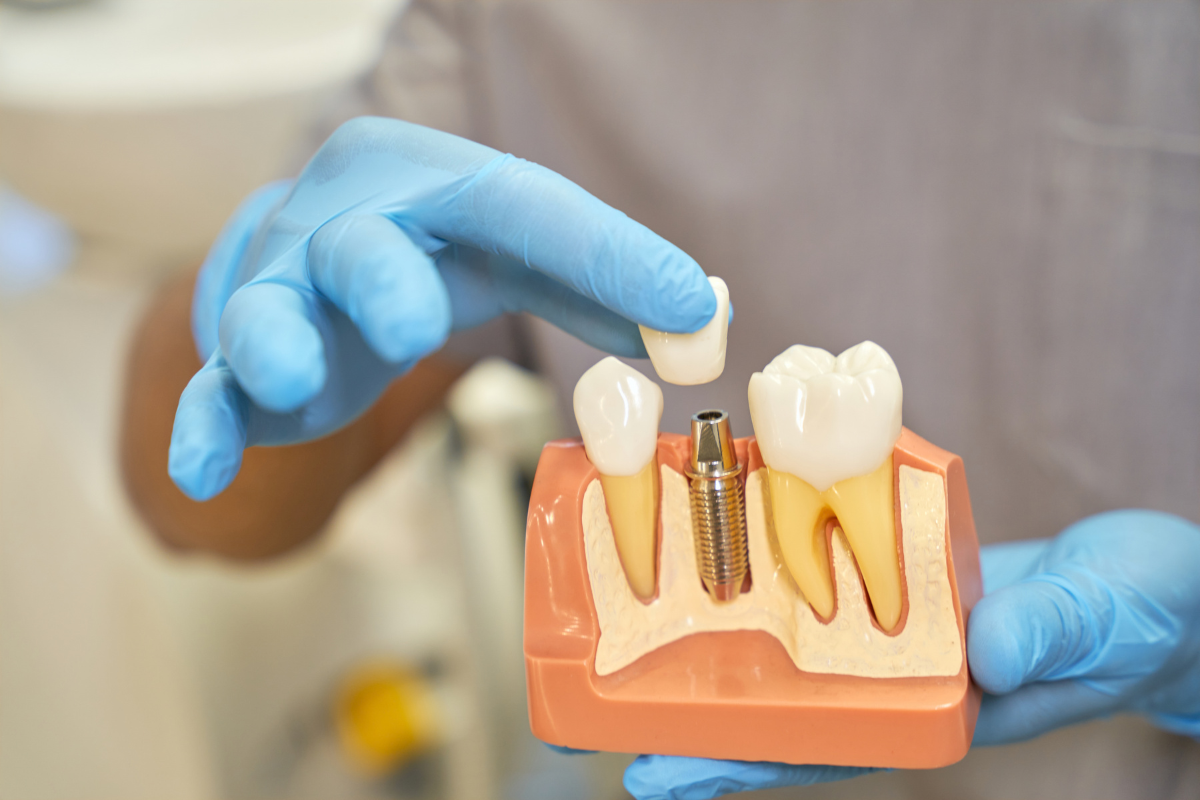
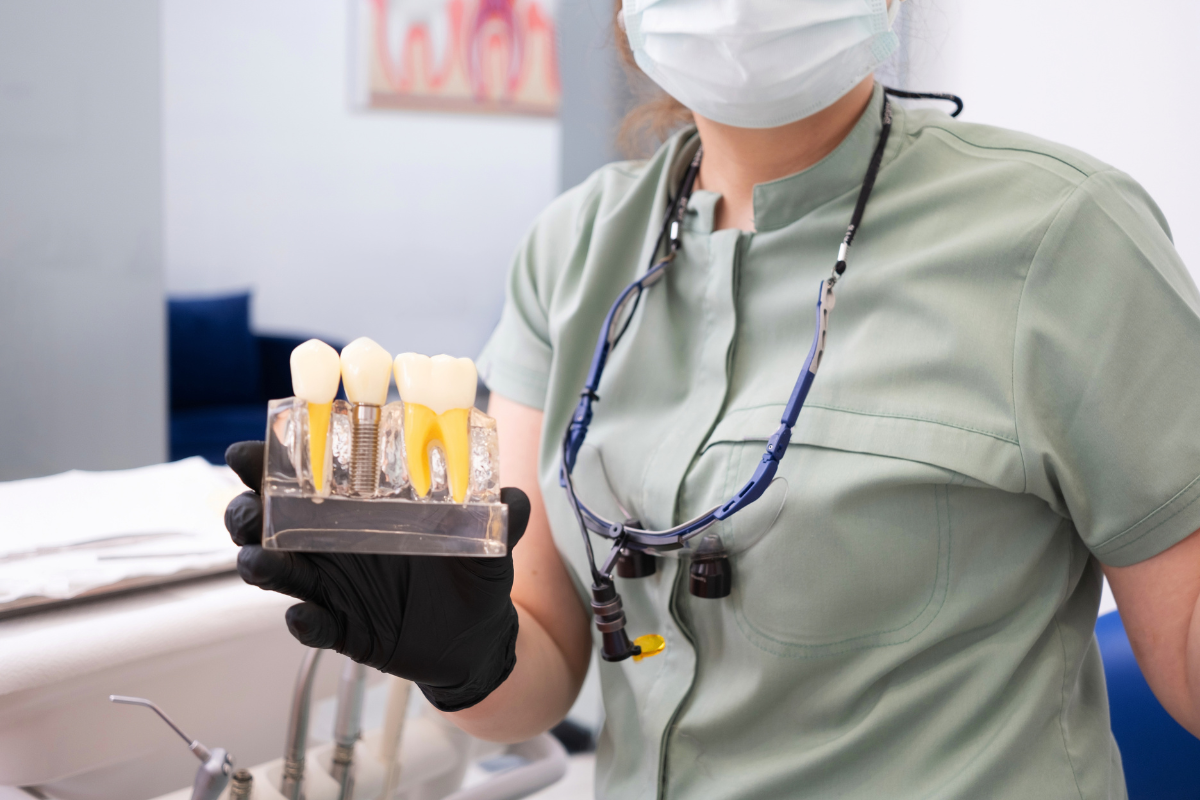
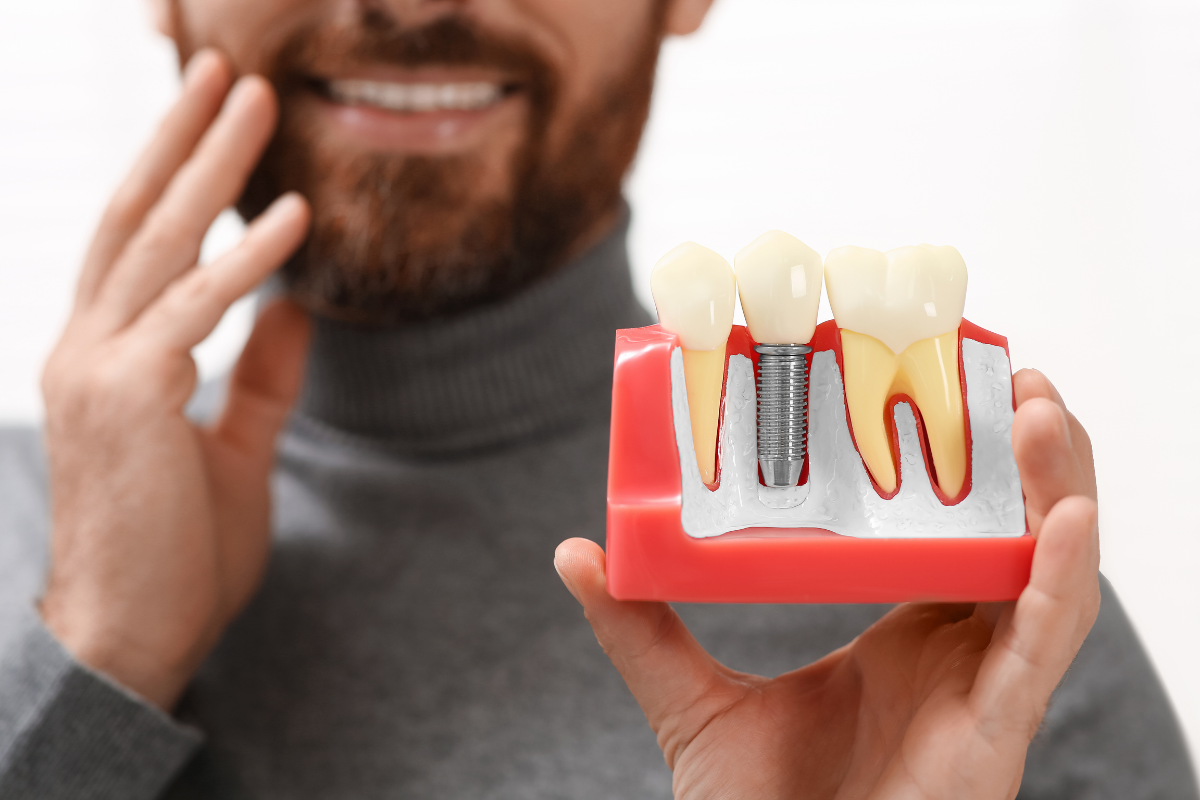
Implant-supported restorations replace both the visible tooth and the root structure beneath the gumline.
Unlike some tooth replacement options that sit on top of the gums, an implant functions as an artificial tooth root. It integrates with the jawbone and helps maintain bone support over time. This makes it one of the most predictable forms of permanent tooth replacement available in modern restorative dentistry.
Patients often choose this treatment because it offers stability, natural function, and support for replacement teeth.
What Happens During Your Initial Implant Consultation?
The first step is a comprehensive examination.
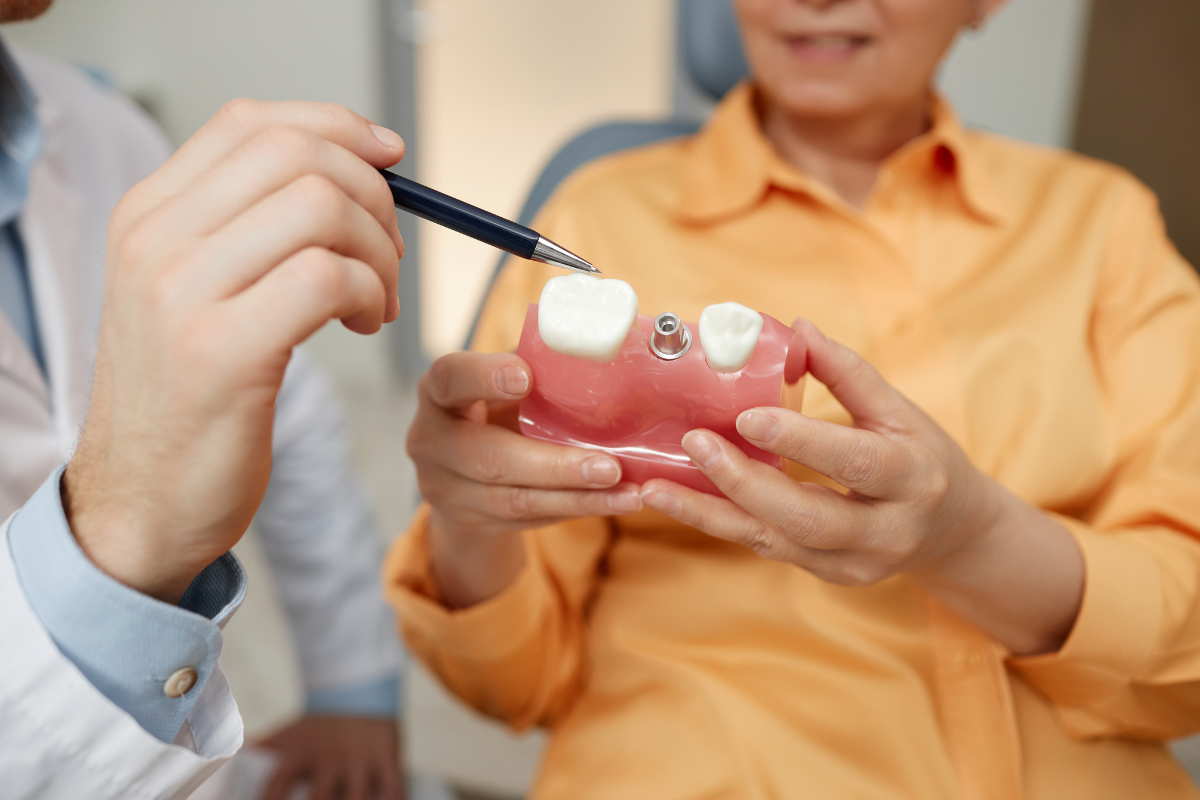
Your provider will evaluate your oral health, medical history, gum condition, and bone structure. Digital imaging and diagnostic scans help determine whether you are a candidate for implant dentistry.
Factors Your Dentist Evaluates
- Jawbone volume and density
- Gum health
- Existing dental conditions
- Missing tooth location
- Bite alignment
- Overall health considerations
For many patients from Hermitage, Sharon, Farrell, and nearby communities, this appointment provides clarity about available treatment options and expected timelines.
How Is the Treatment Plan Created?
Every smile has unique needs.
After reviewing your diagnostic information, your dentist develops a treatment strategy based on the number of missing teeth and the condition of the surrounding structures.
Some patients require a single implant-supported restoration. Others may benefit from multiple replacements or full-arch solutions.
Additional Procedures That May Be Recommended
In some cases, preparatory treatments may improve long-term success:
- Tooth extraction
- Bone grafting
- Periodontal therapy
- Treatment for decay or infection
These procedures help create a stable foundation before implant placement begins.
What Happens During Implant Placement?
The surgical phase involves placing the titanium post into the jawbone.
This post serves as the artificial tooth root, creating the foundation for the final restoration. The procedure is performed under local anesthesia, and many patients report that it feels easier than they expected.
How Long Does Surgery Take?
The timeframe depends on the complexity of treatment.
A single implant may be placed in one appointment, while larger restorative cases may require additional visits.
At Dream Dental & Sleep, Dr. Trott carefully plans each procedure using modern diagnostic technology to improve precision and comfort throughout treatment.
Why Is Healing So Important After Placement?
Healing is one of the most critical stages of dental implant treatment.
During this phase, the jawbone gradually fuses with the implant through a biological process called osseointegration. This connection creates the stability needed to support future chewing forces.
How Long Does Healing Take?
Most patients heal over several months.
Factors that influence healing include:
- Bone quality
- Overall health
- Oral hygiene habits
- Smoking status
- Complexity of treatment
Following post-operative instructions helps promote successful integration and recovery.
What Happens After the Implant Has Healed?
Once integration is complete, the restoration phase begins.
A connector called an abutment is attached to the implant. Impressions or digital scans are then used to design the final replacement tooth.
This stage focuses on function, appearance, and proper bite alignment.
Types of Final Restorations
Depending on your needs, your provider may recommend:
- A dental crown
- Implant-supported bridges
- Full-arch restorations
- Multiple replacement teeth
Many patients seeking dental implants in Hermitage appreciate that the final restoration is customized to blend naturally with surrounding teeth.
How Do You Care for Your New Restoration?
Proper maintenance supports long-term function and oral health.
Although implant-supported teeth cannot develop cavities, the surrounding gums and bone still require attention.
Daily Care Tips
- Brush twice daily
- Floss around restoration sites
- Attend routine dental visits
- Avoid tobacco products
- Address oral health concerns promptly
Regular checkups allow your dentist in Hermitage to monitor gum health and ensure your restoration remains stable.
Who Is a Candidate for Implant Dentistry?
Many adults with missing teeth qualify for treatment.
Healthy gums and adequate bone support are important factors, but modern techniques allow many patients to receive care even when bone loss has occurred.
A professional evaluation is the only way to determine candidacy accurately.
Whether you have lost one tooth or several, discussing your goals with a provider can help identify the most appropriate path toward permanent tooth replacement.
Ready to Restore Your Smile With Confidence?
Living with missing teeth can affect daily comfort, eating habits, and self-confidence. Fortunately, modern restorative dentistry offers reliable solutions that closely mimic natural tooth function.
If you have questions about tooth replacement options, now is the ideal time to visit our dental office and learn what treatment may be right for you. Patients throughout Hermitage, Sharon, Farrell, Mercer, and surrounding communities trust Dream Dental & Sleep for comprehensive evaluations and personalized care.
Book an Appointment and Take the First Step Toward a Complete Smile
A healthier smile begins with understanding your options. If you are considering dental implants in Hermitage, schedule a consultation with Dream Dental & Sleep. Dr. Trott can evaluate your oral health, explain each stage of treatment, and help you determine whether this solution aligns with your goals. Contact our team today to Book an Appointment and begin your journey toward lasting smile restoration.
Frequently Asked Questions(FAQ’s)
How long does the entire implant process take?
Treatment timelines vary based on individual needs. Some patients complete care within several months, while others require additional healing time due to procedures such as bone grafting. The consultation phase provides the most accurate estimate based on your oral health and treatment goals.
Is implant placement painful?
Most patients report minimal discomfort during the procedure because local anesthesia keeps the area numb. Mild soreness afterward is common and typically improves within a few days. Following post-treatment instructions can help support a comfortable recovery.
Can implants replace multiple missing teeth?
Yes. Implant-supported bridges and full-arch restorations can replace several missing teeth. The number of implants needed depends on the extent of tooth loss, the condition of your jawbone, and the type of restoration recommended by your provider.
What happens if I have bone loss?
Bone loss does not automatically prevent treatment. Many patients qualify for procedures such as bone grafting that help rebuild support in the jaw. A detailed examination and imaging study can determine the most appropriate approach.
How successful are implant-supported restorations?
Implant treatment has a long history of predictable outcomes when proper planning, placement, and maintenance occur. Factors such as oral hygiene, gum health, medical conditions, and routine dental visits all contribute to long-term success and stability.