
Losing a tooth changes more than the appearance of your smile. A missing tooth can affect how you chew, alter the way neighboring teeth meet, and contribute to changes in the jawbone over time. Whether tooth loss results from decay, gum disease, injury, or extraction, choosing an appropriate replacement is an important decision for long-term oral health.
Implants have become an established option because they replace more than the visible portion of a missing tooth. An implant is placed in the jawbone to serve as an artificial tooth root, creating a foundation for a crown, bridge, or implant-supported denture. This root-level support is one of the primary reasons implants can provide substantial stability.
For patients considering dental implants in Hermitage, understanding how the treatment works can make it easier to determine whether it fits their needs. At Dream Dental & Sleep, Dr. Domenic Lombardi and Dr. Ariee Jung evaluate each patient’s oral health, bone support, and restorative needs before recommending treatment.
What Is a Dental Implant and How Does It Replace a Missing Tooth?
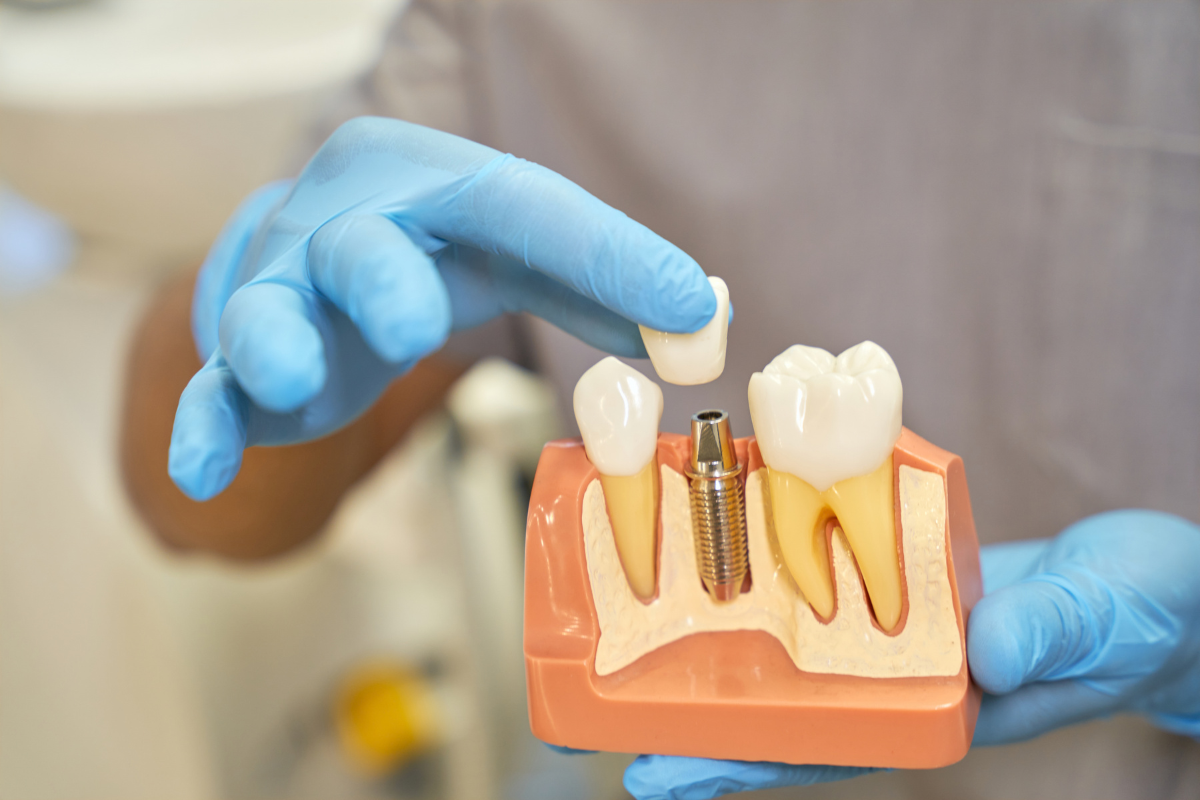
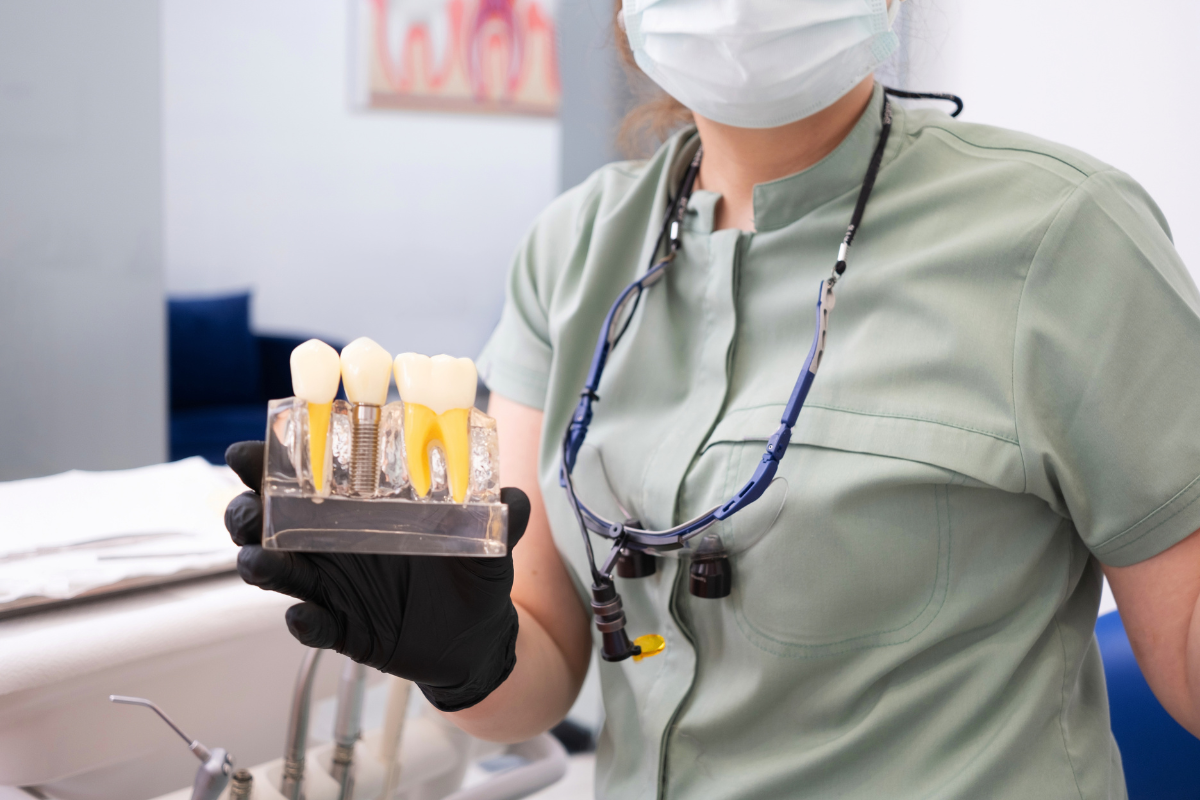
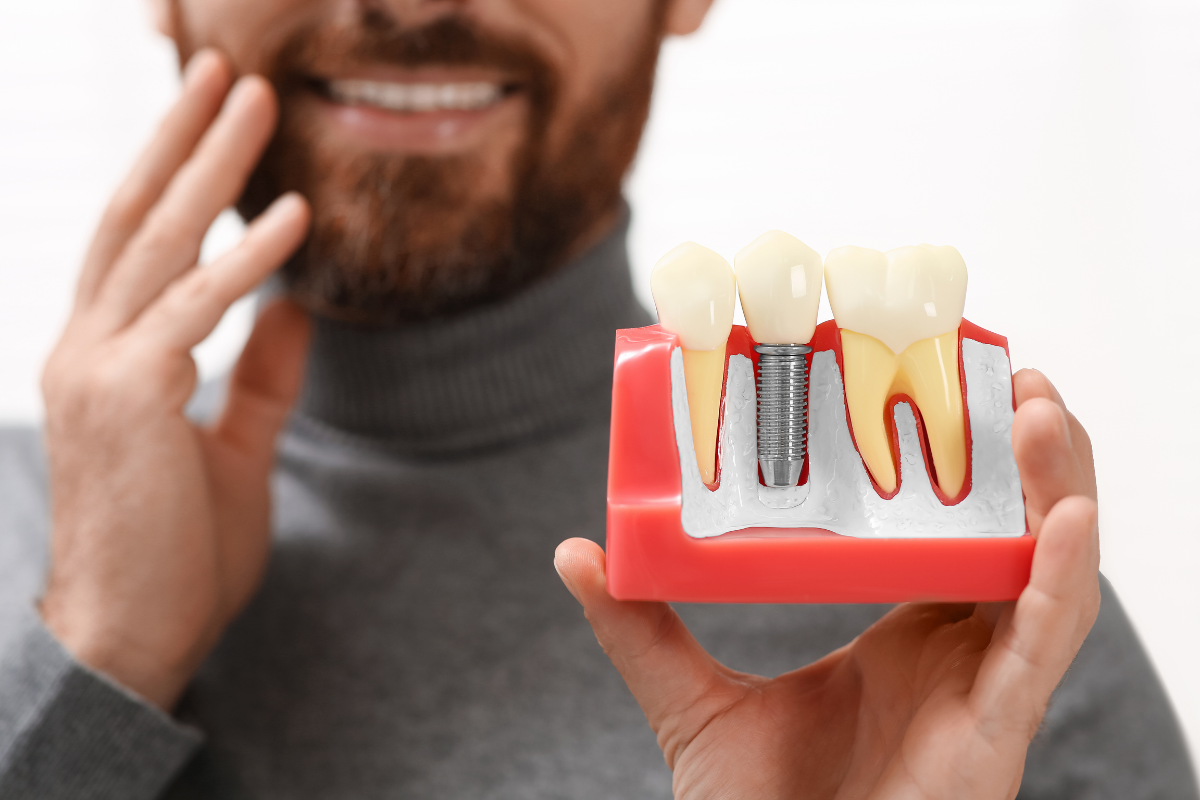
A dental implant is a small post, commonly made from biocompatible titanium, that is surgically positioned within the jawbone. It acts as a replacement for the root of a missing natural tooth.
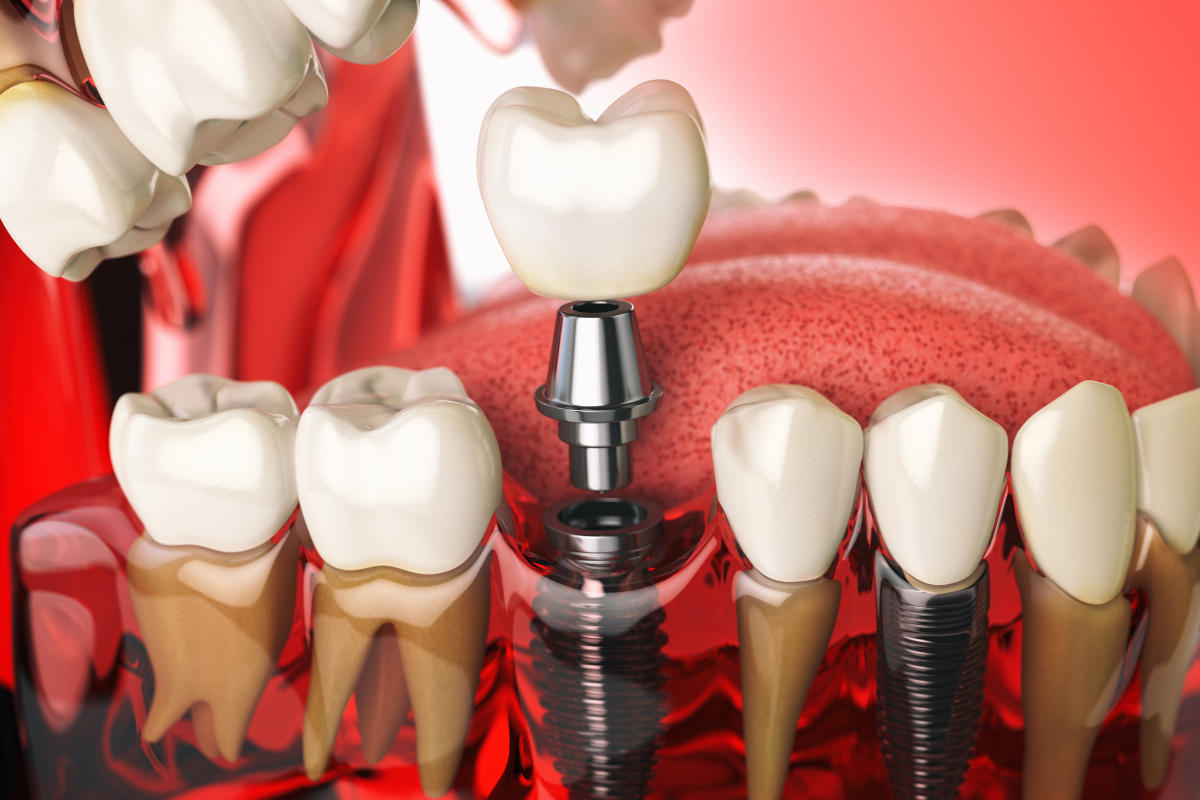
A typical implant restoration has three primary components:
- Implant post: The portion positioned within the jawbone.
- Abutment: A connector between the implant and the final restoration.
- Restoration: The visible crown, bridge, or denture that replaces the missing tooth or teeth.
Following placement, the implant needs time to integrate with the surrounding bone. This biological process is called osseointegration. At Dream Dental & Sleep, healing and integration commonly take approximately three to six months before the final restoration is attached.
This design differs significantly from a conventional removable denture, which rests on the gums, or a traditional bridge, which typically relies on neighboring teeth for support.
Why Are Implants Considered a Reliable Tooth Replacement?
Reliability in restorative dentistry involves several factors, including stability, function, longevity, oral health, and the ability of a restoration to withstand normal daily use.
Implants address these areas by establishing support within the jaw rather than relying exclusively on the gums or adjacent teeth.
Implants Integrate With the Jawbone
One of the defining characteristics of implant treatment is osseointegration. During healing, bone forms a close connection around the implant surface.
Once integration occurs successfully, the implant can provide a stable foundation for the restoration above it. Because the support comes from within the jaw, patients generally do not experience the movement associated with removable tooth replacement appliances.
Successful integration does require appropriate healing. Smoking, uncontrolled health conditions, active gum disease, inadequate oral hygiene, and insufficient bone may affect treatment outcomes, which is why a thorough evaluation is essential.
Restore Chewing Function
Missing teeth can make certain foods more difficult to chew. Some people compensate by chewing predominantly on the opposite side, which can alter how forces are distributed across the mouth.
An implant-supported restoration is designed to withstand normal biting and chewing forces after the implant has healed and the final restoration has been placed.
This stability can make eating more comfortable and predictable. Patients should still protect implant restorations from habits that can damage natural teeth as well, such as chewing ice or using teeth to open packaging.
Preserves Jawbone
The roots of natural teeth transfer forces into the jawbone during chewing. This stimulation helps maintain the bone surrounding the teeth.
After a tooth is lost, that stimulation disappears from the area. Bone can gradually resorb because it is no longer supporting a tooth root.
An implant transfers functional forces into the jawbone and can help maintain bone in the treated area. This is an important distinction between implants and restorations that replace only the visible crown of a tooth.
For someone researching dental implants in Hermitage, jawbone preservation is therefore an important long-term benefit to discuss during an implant consultation.
Healthy Neighboring Teeth Do Not Need to Support a Single Implant
A conventional dental bridge can be an appropriate treatment in many situations, but it generally requires the teeth adjacent to the gap to support the restoration. Those teeth may need to be reshaped to accommodate crowns.
A single dental implant is independently supported by the jawbone. Consequently, healthy neighboring teeth generally do not need to be prepared simply to support the replacement tooth.
Preserving natural tooth structure whenever clinically appropriate is an important consideration when comparing replacement options.
Looks Natural
Replacing a tooth is not solely about restoring function. The replacement should also complement the patient’s smile, particularly when a front tooth is involved.
The visible restoration attached to an implant can be designed to coordinate with surrounding teeth in characteristics such as:
- Shape
- Size
- Proportion
- Position
- Color
The implant itself remains beneath the restoration, so the portion visible when a patient smiles is designed to resemble a natural tooth.
Aesthetic outcomes depend on several factors, including implant positioning, gum tissue, bone anatomy, restoration design, and the condition of neighboring teeth.
Replace One, Several, or All Missing Teeth
Another advantage of implant dentistry is its versatility. The treatment concept can be adapted according to how many teeth need replacement.
At Dream Dental & Sleep, implant options include:
Single-Tooth Implants
A single implant can support an individual crown when one tooth is missing.
Multiple-Tooth Implant Restorations
When several teeth are absent, implants can support bridges or other partial restorations. Not every missing tooth necessarily requires an individual implant.
All-on-4 or All-on-6 Implants
Four or six strategically positioned implants may be used to support a full-arch restoration for patients who need extensive tooth replacement.
Implant-Supported Dentures
Implants can also provide additional retention and stability for dentures, helping reduce the slipping or shifting sometimes associated with conventional removable dentures.
The appropriate configuration depends on bone availability, oral health, the number and location of missing teeth, and the patient’s restorative goals.
Dental Implants Are Designed for Long-Term Use
Implants are not temporary appliances. When treatment is properly planned and patients maintain healthy surrounding tissues, implants are intended to provide long-term tooth replacement.
However, having an implant does not make the area immune to oral disease.
Plaque and bacteria can accumulate around implant restorations. Inflammation of the tissues surrounding an implant can eventually threaten its supporting bone if left untreated.
Long-term implant care therefore remains essential and should include:
- Brushing thoroughly every day
- Cleaning between teeth and around the implant
- Attending routine dental examinations
- Receiving professional cleanings
- Avoiding tobacco
- Managing teeth grinding when necessary
- Having changes around the implant evaluated promptly
With consistent home care and professional monitoring, an implant can remain functional for many years.
Who May Be a Candidate for Dental Implant Treatment?
Many adults with missing teeth can be considered for implant treatment, but candidacy must be determined individually.
Before recommending dental implants in Hermitage, we evaluate factors such as:
- Overall oral health
- Gum health
- Available jawbone
- Medical history
- Medications
- Smoking or tobacco use
- Oral hygiene
- Teeth-grinding habits
- Location and number of missing teeth
Active gum disease or untreated decay may need to be addressed first. Patients who have lost substantial bone may also require additional evaluation before an implant can be placed.
Age alone generally does not exclude an adult from implant treatment. What matters more is whether growth is complete and whether the patient’s oral and general health support surgery and healing.
What Happens During the Process?
Implant treatment usually occurs in stages rather than during one appointment.
Consultation and Treatment Planning
The process begins with a comprehensive examination and diagnostic imaging. Your dentist assesses your jawbone, gums, remaining teeth, bite, and overall oral health.
This stage is important because accurate planning influences implant position, stability, function, and the final restoration.
Implant Placement
The titanium implant is surgically positioned in the planned area of the jaw. Local anesthesia is used to keep the area numb during treatment.
Healing and Osseointegration
The implant is then allowed to heal as the surrounding bone integrates with its surface. At Dream Dental & Sleep, this stage typically takes around three to six months, although individual timelines vary.
Abutment and Final Restoration
After sufficient healing, an abutment is connected to the implant. A custom crown, bridge, or other restoration is then attached to complete the replacement.
How Can You Protect Your Implanted Tooth After Treatment?
Once treatment is complete, implants require routine maintenance similar to natural teeth.
Brush twice daily and clean carefully between the implant restoration and neighboring teeth. Your dental team may recommend specific floss, interdental brushes, or other cleaning aids depending on the restoration.
Regular examinations are equally important. They allow your dentist to assess the implant, restoration, gums, bite, and supporting structures.
If you grind or clench your teeth, a nightguard may be recommended to reduce excessive forces on the restoration.
Get a Long-lasting Replacement for Your Missing Tooth
Missing teeth do not have to permanently change the way you eat, speak, or smile. Implant treatment can replace a missing tooth from the root upward, providing a stable foundation while supporting function, appearance, and jawbone health.
If you are considering dental implants in Hermitage, schedule a consultation with Dream Dental & Sleep. Our dental team can evaluate your oral health, discuss the available implant options, and explain which approach may be appropriate for restoring your smile.
Frequently Asked Questions(FAQ’s)
1. How long do dental implants last?
Implants are intended for long-term use and may remain functional for many years with appropriate oral hygiene and professional care. Longevity depends on gum health, bone support, health conditions, smoking, bite forces, and maintenance habits.
2. Is getting a dental implant painful?
Local anesthesia is used during implant placement to numb the treatment area. Some soreness, swelling, or tenderness may occur afterward. The intensity and duration of discomfort vary depending on the procedure and individual healing response.
3. How long does the dental implant process take?
The complete process often takes several months. At Dream Dental & Sleep, osseointegration commonly requires approximately three to six months before the final restoration is placed, although treatment timelines vary according to healing and individual needs.
4. Can I get a dental implant immediately after tooth extraction?
Immediate implant placement is possible in selected cases, but it is not appropriate for everyone. Bone quality, infection, gum health, extraction-site anatomy, and implant stability must be evaluated before deciding when the implant should be placed.
5. Can dental implants replace several missing teeth?
Yes. Implants can replace one tooth or support restorations for several missing teeth. Depending on the case, implant-supported bridges, dentures, or full-arch solutions may restore multiple teeth without requiring an individual implant for every tooth.
6. What can cause a dental implant to fail?
Implant complications may be associated with infection, inadequate integration, gum disease, smoking, insufficient bone, uncontrolled medical conditions, poor oral hygiene, or excessive biting forces. Careful treatment planning and ongoing maintenance help reduce these risks.
7. Can older adults receive dental implants?
There is generally no upper age limit for implant treatment. Older adults may qualify when their oral and general health permit treatment. Bone support, medical history, medications, healing capacity, and individual treatment goals require careful evaluation.