
Have you ever wondered what happens beneath your gums after you lose a tooth? The visible gap is only part of the change. Without a tooth root, the surrounding jawbone receives less stimulation and gradually remodels. This can influence your bite, neighboring teeth, and the foundation supporting your smile.
At Dream Dental & Sleep, Dr. Lombardi helps patients understand these changes before choosing a tooth replacement option. Dental implants in Hermitage can replace missing teeth while providing support within the jaw, similar to the role of natural tooth roots. This article explains why bone changes after tooth loss, how implant treatment supports the jaw, and what to consider before deciding whether implants are appropriate for you.
Why Does Your Jawbone Change After You Lose a Tooth?
Your teeth and jawbone work together. Natural tooth roots sit within the jaw and transfer forces to the surrounding bone as you bite and chew.
Once a tooth is lost, that area no longer receives the same functional stimulation. The bone around the empty socket begins to undergo natural remodeling. The amount of change varies by person, tooth location, health, and time since tooth loss.
This is one reason replacing a missing tooth involves more than filling a visible gap. A dentist also needs to consider the bone and gums beneath it.
How Do Dental Implants Support Jawbone Health?
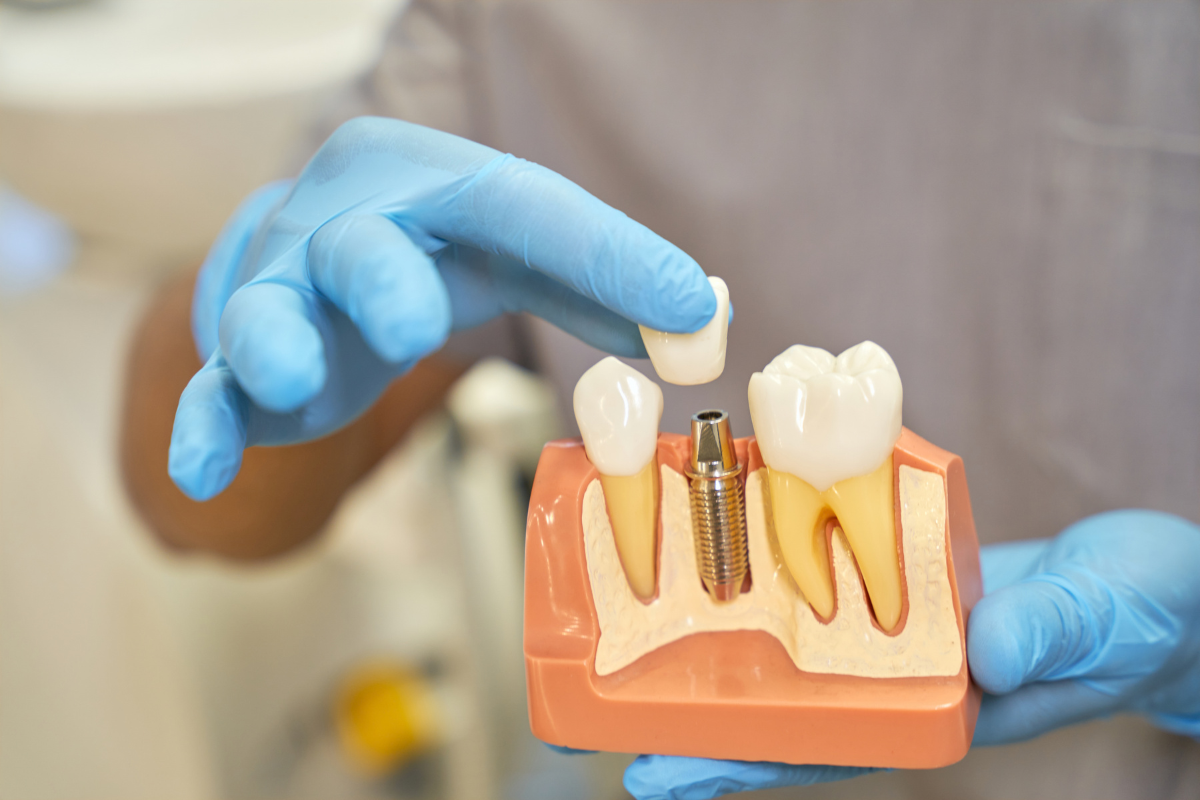
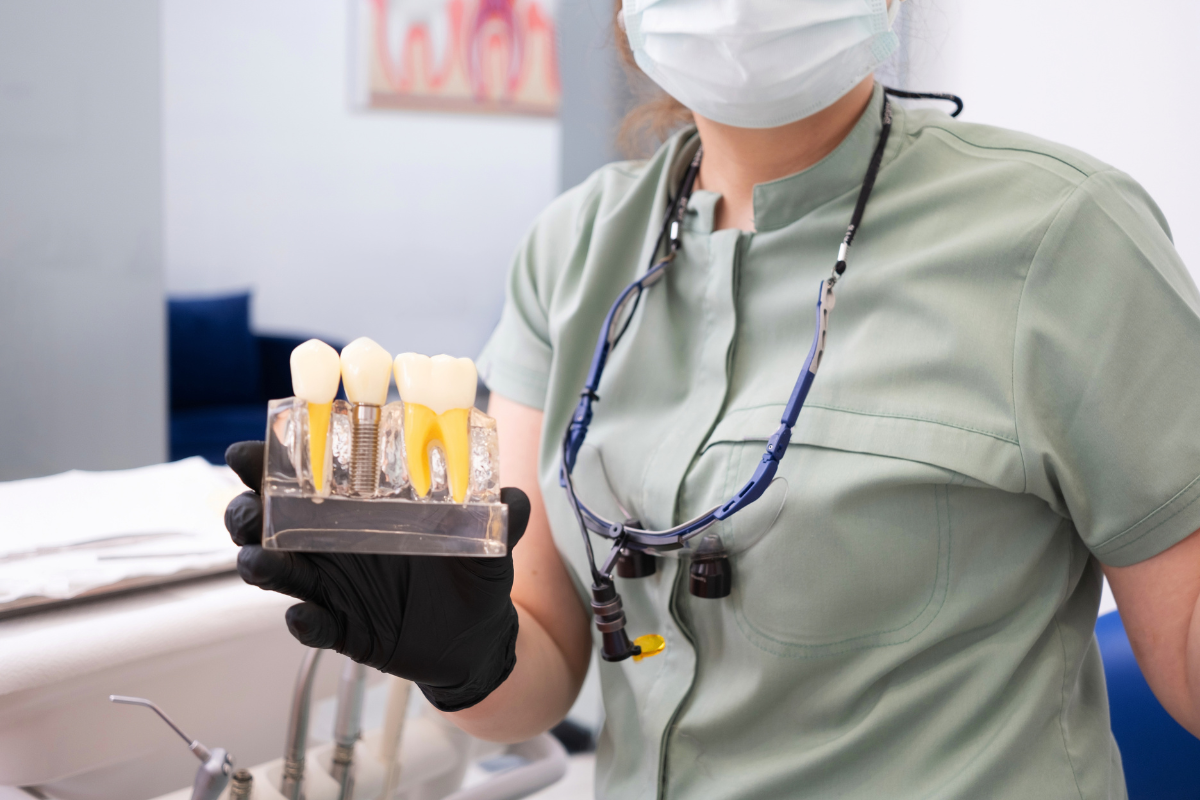
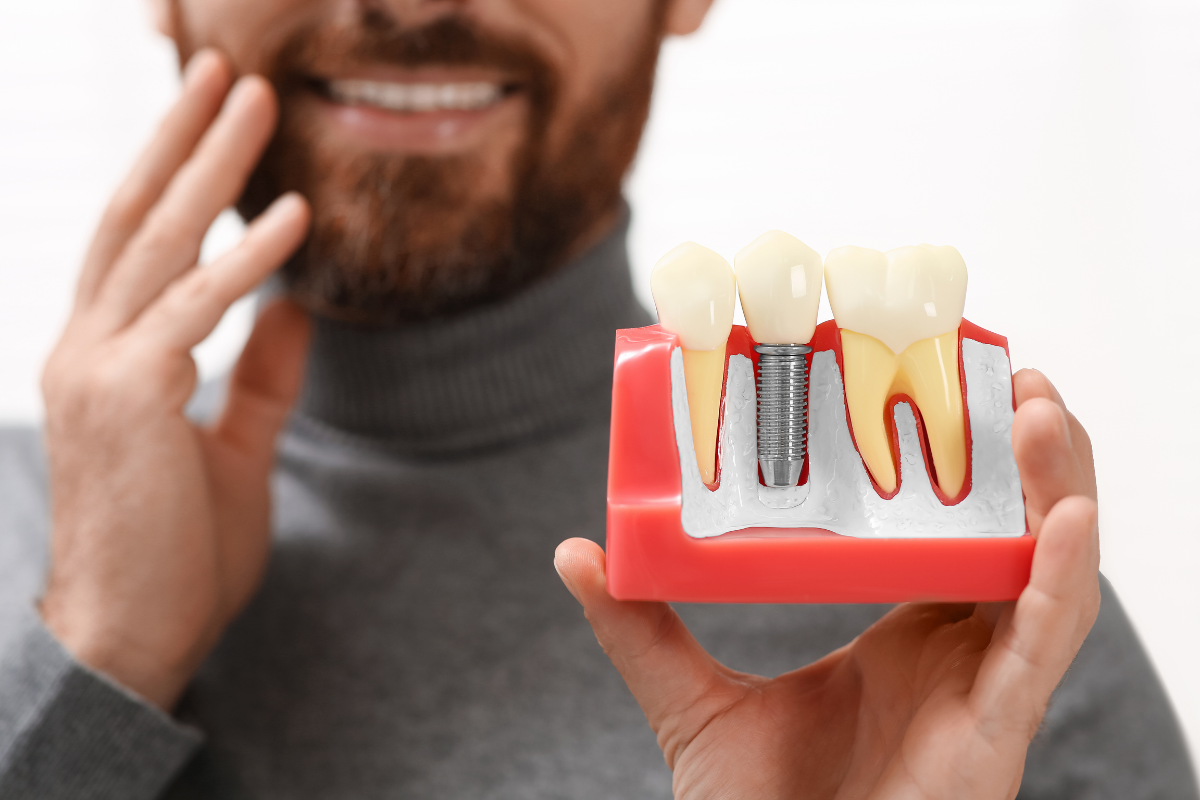
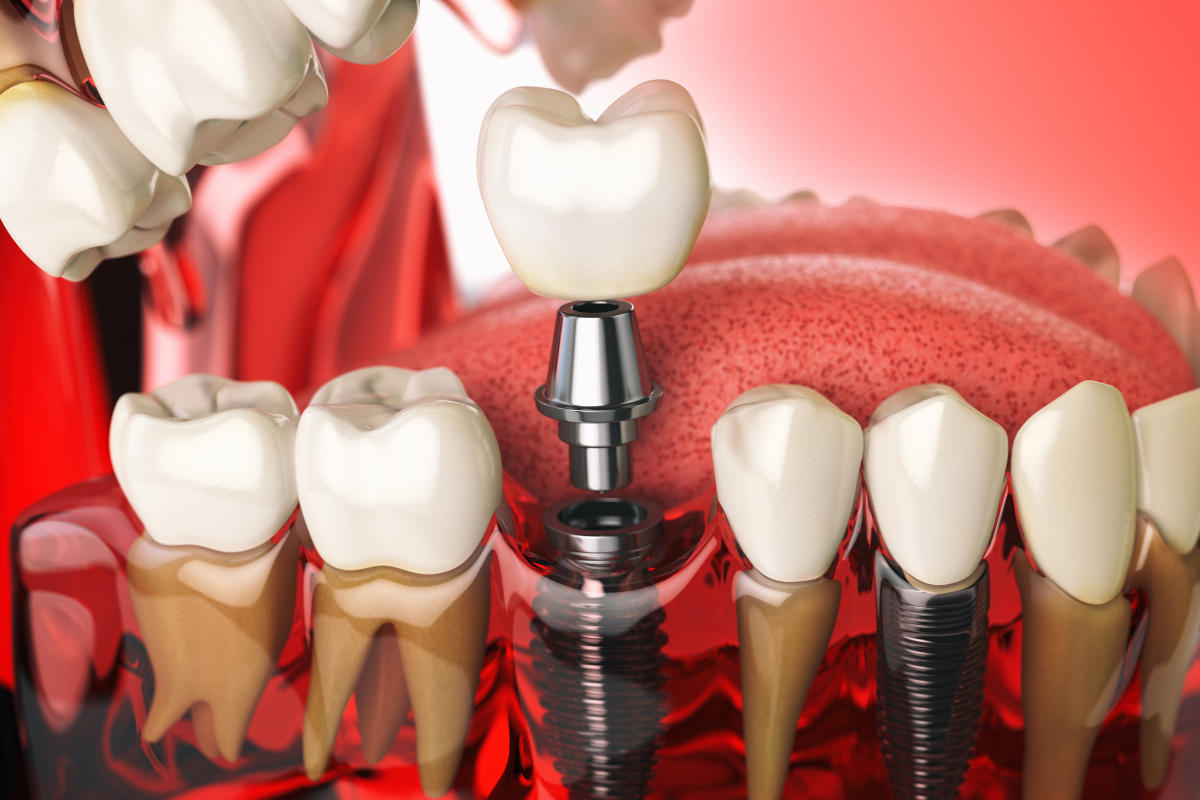
An implant is placed within the jaw and acts as an artificial tooth root. A restoration, such as a crown, bridge, or implant-supported denture, can then attach to it.
After placement, the implant heals within the surrounding bone through osseointegration. This biological process creates a stable connection between the implant surface and jawbone.
Once restored and functioning, the implant transfers chewing forces into the surrounding bone. This helps provide functional stimulation to the area. The FDA also recognizes helping keep the jawbone from shrinking due to bone loss as one potential benefit of implant treatment.
However, implants do not stop every form of natural bone remodeling. Bone response varies among patients, making careful evaluation and ongoing care important.
Can Implants Help Maintain the Shape of Your Smile?
The bone beneath your gums provides important structural support for your teeth and facial tissues. Changes in this foundation can affect how a tooth replacement fits and how the surrounding area looks.
By replacing both the root and the visible tooth, dental implants in Hermitage can support the foundation beneath a restored smile. They can also help keep neighboring teeth stable because a single implant generally does not require those teeth to support the restoration.
For someone missing several teeth, implant-supported restorations may also provide greater stability than a removable option. The right approach depends on how many teeth are missing and how much healthy bone remains.
What If You Have Already Lost Some Jawbone?
Bone loss does not automatically rule out implant treatment.
Before recommending treatment, an implant dentist in Hermitage can assess your gums, remaining teeth, bite, and available bone. Dental imaging helps determine whether the jaw has enough volume and density to support an implant.
When there is insufficient bone, bone grafting or another bone-preservation procedure may be considered. These procedures can rebuild or maintain bone in areas requiring additional support.
If you have been missing a tooth for months or years, contact us for an evaluation rather than assuming you are no longer a candidate.
Does It Matter How Long You Wait After Losing a Tooth?
Timing can matter because the jaw begins remodeling after tooth loss. That does not mean every missing tooth requires immediate implant placement. Your dentist must first consider why the tooth was lost, whether infection or gum disease is present, and how the extraction site is healing.
For example, one patient may have adequate bone for straightforward implant placement. Another may need treatment for periodontal disease or a bone graft first.
An early assessment provides more information and may preserve more treatment choices. It also helps your dentist plan around neighboring teeth, your bite, and your long-term oral health, rather than focusing only on the gap.
How Do Implants Compare With Bridges and Removable Dentures?
Every tooth replacement method serves a different purpose.
A traditional bridge fills a space by using neighboring teeth for support. A removable denture replaces several or all missing teeth and rests primarily on the gums and underlying tissues. Neither option places an artificial root directly into the missing tooth site.
Dental implants, by contrast, are anchored within the jaw. Depending on your needs, they can support:
- A crown for one missing tooth
- An implant-supported bridge for several missing teeth
- An implant-supported denture
- A full-arch restoration
Dream Dental & Sleep also offers restorative options for patients with varying degrees of tooth loss. A clinical examination can determine which approach fits your oral health rather than assuming one treatment works for everyone.
What Helps an Implant and the Surrounding Bone Stay Healthy?
Implant treatment does not end when the final tooth is attached. Long-term maintenance matters.
Protect the implant and surrounding tissues by:
- Brushing thoroughly every day
- Cleaning between teeth and around the implant
- Attending regular dental examinations and cleanings
- Avoiding tobacco use
- Managing teeth grinding when necessary
- Reporting pain, bleeding, swelling, or implant movement promptly
Healthy gums are particularly important. Inflammation around an implant can damage the tissues supporting it if it progresses. Consistent home care and professional monitoring help identify concerns before they become more difficult to manage.
For patients considering dental implants in Hermitage, the consultation is also an opportunity to discuss daily maintenance before treatment begins.
Restore More Than the Missing Part of Your Smile
Replacing a missing tooth is not simply a cosmetic decision. The underlying bone, gums, bite, and neighboring teeth all influence how your mouth functions over time.
At Dream Dental & Sleep, Dr. Lombardi can evaluate your jawbone, oral health, and tooth replacement needs before recommending treatment. If you are considering dental implants, visit our dental office to learn whether implant treatment can provide the support your smile needs. Schedule an appointment to discuss your options and receive recommendations based on your individual oral health.
Frequently Asked Questions(FAQ’s)
1. Can a dental implant completely stop jawbone loss?
No treatment can guarantee that all bone remodeling will stop. An implant provides functional stimulation within the jaw after tooth loss, which can help maintain the surrounding bone. Your bone levels can still be influenced by gum health, oral hygiene, smoking, bite forces, and other factors. A dental examination can help determine what type of tooth replacement offers appropriate support for your situation.
2. Can I get an implant if my tooth has been missing for years?
Possibly. Having a missing tooth for several years does not automatically prevent implant treatment. Your dentist needs to assess the amount and quality of remaining jawbone first. Some patients have sufficient bone for placement, while others may need a bone graft beforehand. Scheduling an implant evaluation is the most reliable way to understand which options remain available.
3. Will I need a bone graft before getting an implant?
Not everyone needs a bone graft. It may be recommended when the jaw lacks sufficient bone to support an implant in the planned position. Your dentist can use an examination and appropriate imaging to evaluate bone volume and treatment needs. If grafting is necessary, the procedure may help create a more suitable foundation for future implant placement.
4. Do implants help keep nearby teeth from shifting?
Replacing a missing tooth can help maintain proper spacing and reduce the likelihood of neighboring teeth drifting into the gap. An individual implant also replaces a tooth without requiring adjacent teeth to serve as anchors. If you notice changes in your bite after tooth loss, a dental evaluation can identify appropriate replacement options before further movement occurs.
5. How do I know whether an implant is right for my missing tooth?
Implant candidacy depends on several factors, including jawbone volume, gum health, overall health, the location of the missing tooth, and your ability to maintain oral hygiene. Some health conditions and habits can also affect healing. A comprehensive implant consultation allows the dental team to assess these factors and explain whether implant treatment or another restorative option better suits your needs.