

A cracked tooth can happen to anyone — and it often strikes at the worst possible moment. Whether it cracked while eating, during a sports activity, or from an old filling, knowing what to do next matters. For patients in Hermitage, PA searching for answers, this guide walks you through every step. From managing discomfort at home to understanding what Dr. Domenic Lombardi can do at Dream Dental & Sleep, you’ll feel prepared before you even walk through our door.
How to Tell If Your Tooth Is Actually Cracked
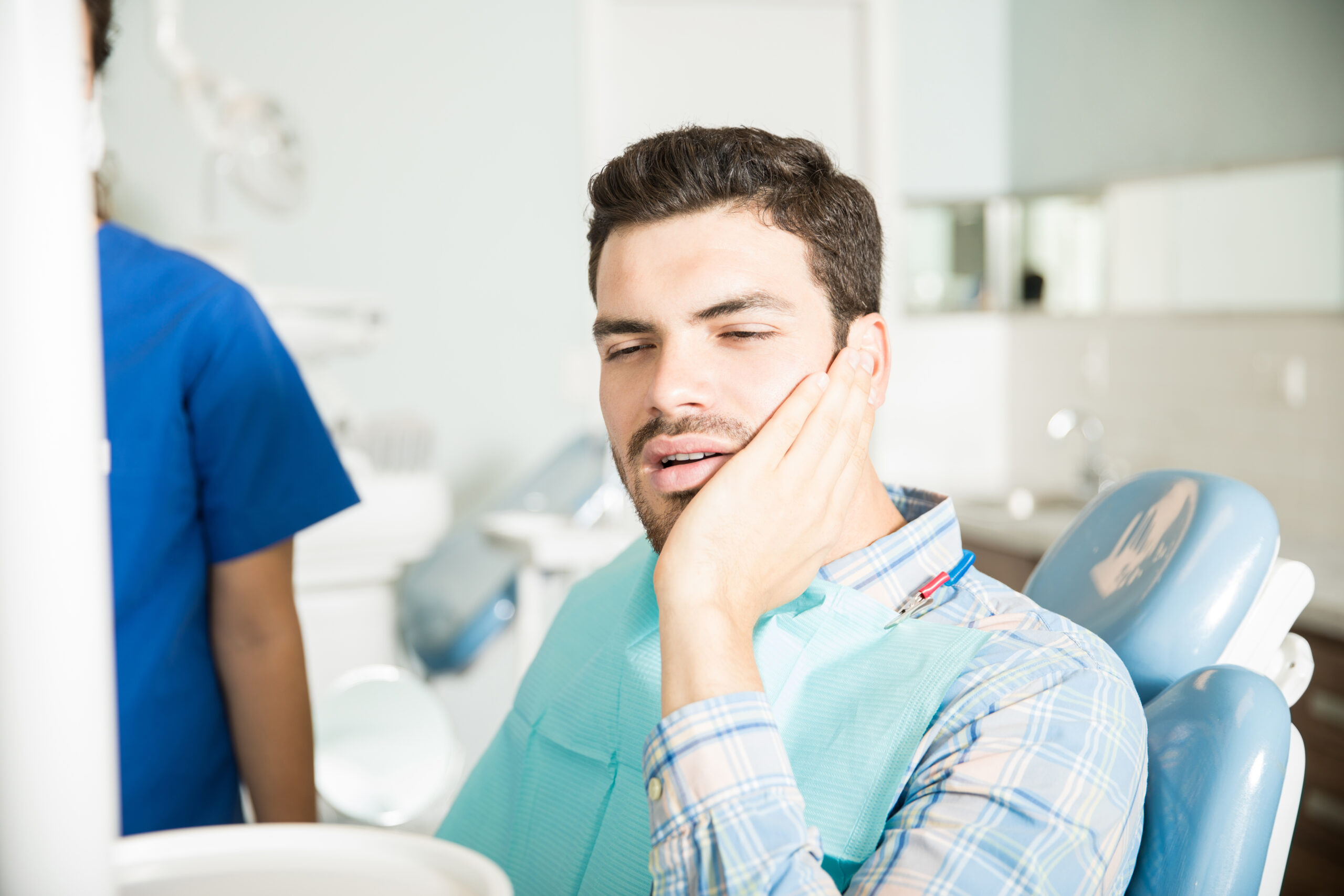
Not every cracked tooth looks dramatic. Some cracks are invisible to the naked eye. Others cause sharp pain when you bite down or release pressure. You may also notice sensitivity to hot or cold temperatures that lingers longer than usual.
Common signs of a cracked tooth include:
- Sharp pain when chewing or biting
- Sensitivity to hot, cold, or sweet foods
- Pain that comes and goes unpredictably
- Swelling around the gum near the affected tooth
- A visible chip, fracture line, or missing piece of tooth
Some cracks don’t cause pain at all — at least not right away. That’s why it’s important to get evaluated quickly. Delaying care can turn a manageable crack into a more serious problem.
What to Do Right Away in Hermitage Before Your Appointment
When a cracked tooth happens, acting fast helps protect the tooth and reduce discomfort. These steps can make a real difference while you wait to see Dr. Lombardi.
Follow these immediate first-aid steps:
- Rinse your mouth with warm salt water to clean the area gently.
- Apply a cold compress to the outside of your cheek to reduce swelling.
- Take over-the-counter pain relief like ibuprofen or acetaminophen as directed on the label.
- Cover the tooth with temporary dental cement if a large piece has broken off — available at most pharmacies.
- Avoid chewing on the affected side until you’ve seen a dentist.
These steps won’t fix the crack, but they help protect the tooth. Staying calm and acting quickly gives your dentist the best chance at saving it.
What to Avoid After Cracking a Tooth
Just as important as what you should do is what you should avoid. Certain habits can worsen a crack or increase your risk of infection. Knowing these pitfalls ahead of time can protect you from making things worse.
Avoid these common mistakes:
- Chewing hard foods, ice, or anything crunchy on the cracked side
- Ignoring the tooth because it isn’t painful yet
- Using your teeth to open packages or bottles
- Applying aspirin directly to the gum — this can cause chemical burns
- Waiting too long to call for an emergency appointment
A crack that seems minor can spread quickly under pressure. Treating it as urgent — even if the pain is mild — is always the right call. Dream Dental & Sleep offers Emergency Dentistry Hermitage patients can rely on for fast, compassionate care.
What Dr. Lombardi Will Do at Your Appointment
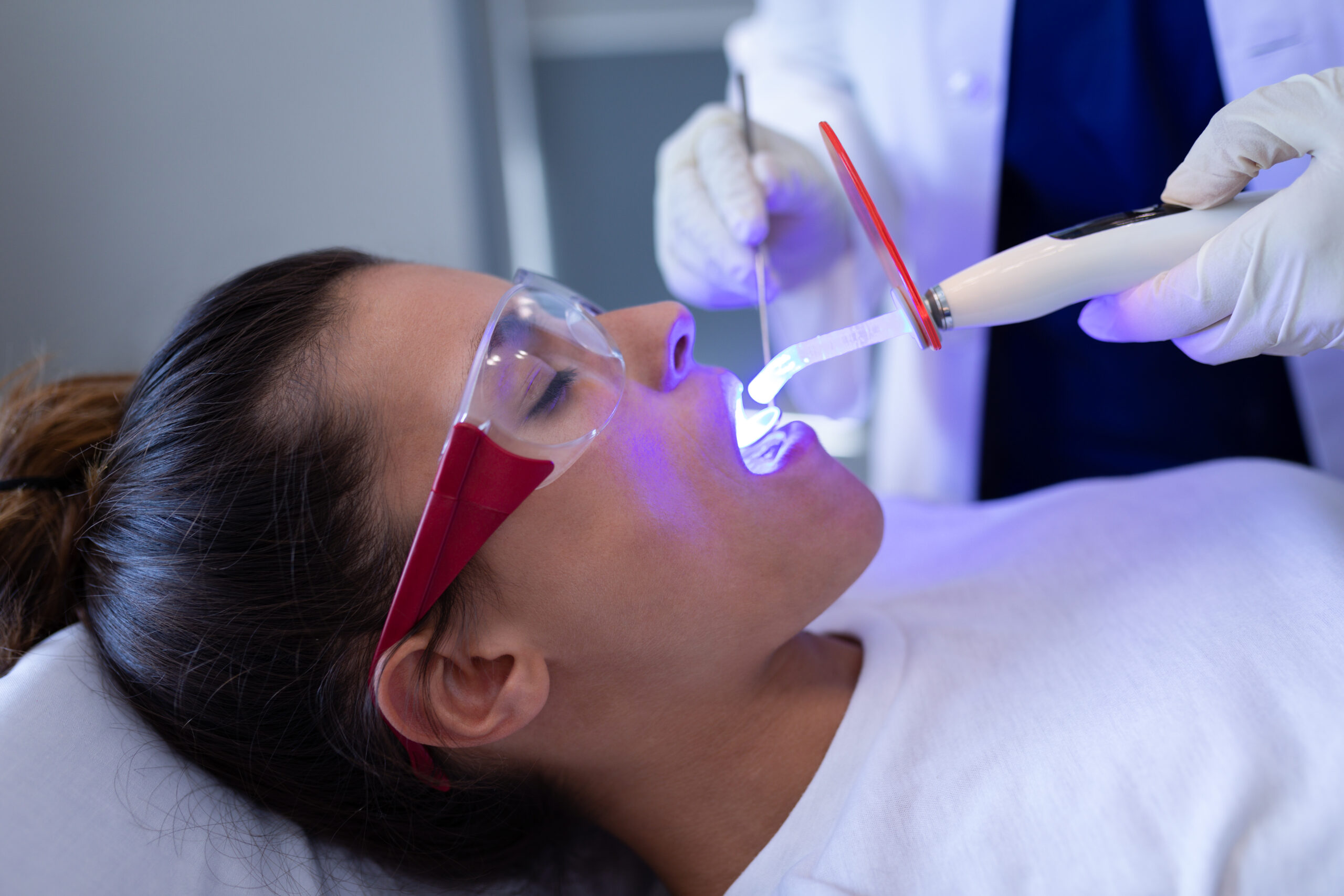
Once you arrive at Dream Dental & Sleep, Dr. Lombardi will examine the cracked tooth thoroughly. This usually involves a visual exam, dental X-rays, and sometimes a special light or dye to reveal hidden fractures. Understanding the type and depth of the crack guides the entire treatment plan.
Treatment depends on the severity of the crack. A minor surface crack may only need smoothing or bonding. A deeper crack may require a crown to hold the tooth together. In more serious cases, a root canal or even an extraction may be necessary.
The goal is always to save the natural tooth when possible. Restorative Dentistry is a core part of what Dream Dental & Sleep does best. Dr. Lombardi takes time to explain all your options clearly before any treatment begins.
If your cracked tooth has affected the appearance of your smile, restoration goes hand in hand with aesthetics. Explore Cosmetic Dentistry Hermitage options that can restore both function and beauty after dental trauma.
How to Prevent Cracked Teeth in the Future
Prevention isn’t always possible, but many cracks are avoidable with a few smart habits. Once your tooth is treated, Dr. Lombardi may discuss ways to reduce your risk going forward. These changes are simple and can protect your smile for years to come.
Consider these preventive strategies:
- Wear a custom mouthguard during contact sports
- Avoid chewing ice, hard candy, or non-food items
- Ask about a night guard if you grind your teeth while sleeping
- Get old metal fillings evaluated — they can weaken tooth structure over time
- Schedule regular checkups so small cracks are caught early
Teeth grinding, also called bruxism, is a leading cause of cracked teeth. Dream Dental & Sleep specializes in dental sleep solutions that can address nighttime grinding. Protecting your teeth while you sleep is one of the smartest investments you can make.
Conclusion: Don’t Wait — Your Tooth Needs Attention Now
A cracked tooth in Hermitage doesn’t have to become a dental emergency — but it can if left untreated. Acting quickly, following the right first-aid steps, and seeing Dr. Domenic Lombardi at Dream Dental & Sleep gives your tooth the best chance at a full recovery. Our team is here to help you feel informed, comfortable, and confident every step of the way. Book Now to schedule your appointment with our team.
Frequently Asked Questions
Can a cracked tooth heal on its own?
No, a cracked tooth cannot heal itself. Unlike bones, teeth do not have the ability to repair cracks naturally. Professional dental treatment is required to stop the crack from spreading and to restore the tooth’s strength and function.
How soon should I see a dentist after cracking a tooth?
You should see a dentist as soon as possible — ideally within 24 to 48 hours. Even if the pain is mild, a crack can worsen quickly under normal chewing pressure. Prompt care gives your dentist the best opportunity to save the tooth.
Will a cracked tooth always need to be extracted?
Not always. Many cracked teeth can be saved with treatments like dental bonding, crowns, or root canals. Extraction is typically only needed when the crack extends below the gum line or into the root. Dr. Lombardi will evaluate your specific situation and recommend the most conservative option first.
Is it safe to eat with a cracked tooth?
It is best to avoid eating on the side of the cracked tooth until you’ve been seen by a dentist. Chewing can cause the crack to deepen or split further. Stick to soft foods and avoid anything hard, crunchy, or chewy in the meantime.
What if my cracked tooth doesn’t hurt?
A painless crack still needs professional attention. Some cracks don’t cause immediate discomfort but can still allow bacteria to enter the tooth and cause infection over time. A dental exam will determine the extent of the crack and the best course of action.