
Teeth whitening is one of the most popular cosmetic treatments available today. Many patients in Sharon, PA pursue brighter smiles every year. But one common concern stops people from trying it: tooth sensitivity. Understanding why teeth whitening causes sensitivity and how to prevent it in Sharon can help you make a confident, informed decision.
The good news is that sensitivity is manageable. With the right approach, most patients experience minimal discomfort. Dr. Domenic Lombardi at Dream Dental & Sleep works closely with patients to reduce whitening-related sensitivity from the start.
Why Does Teeth Whitening Cause Sensitivity?
Whitening products use peroxide-based bleaching agents. These agents penetrate the outer enamel layer of your teeth. They reach tiny channels called dentinal tubules beneath the surface. This exposure temporarily irritates the nerves inside your teeth.
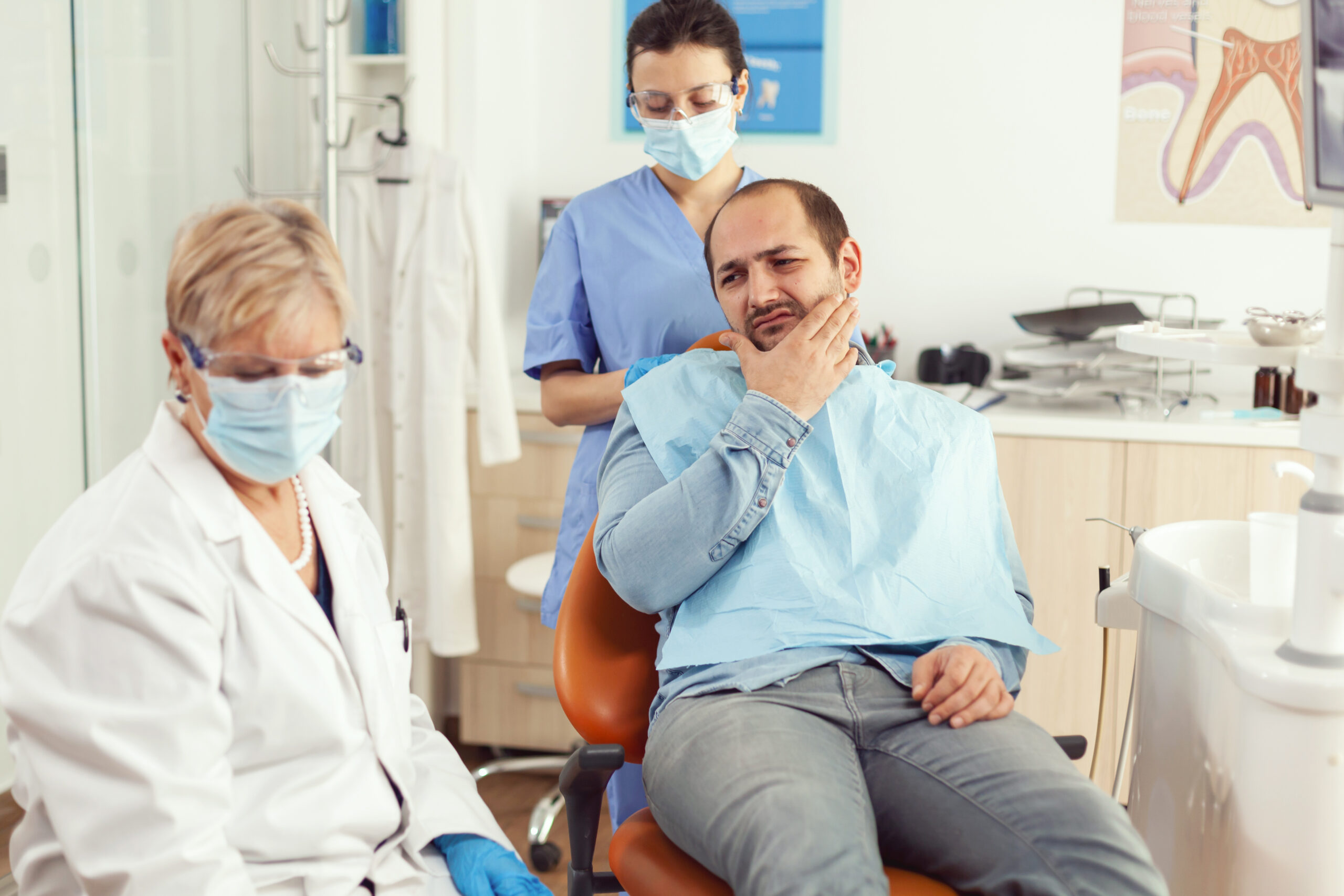
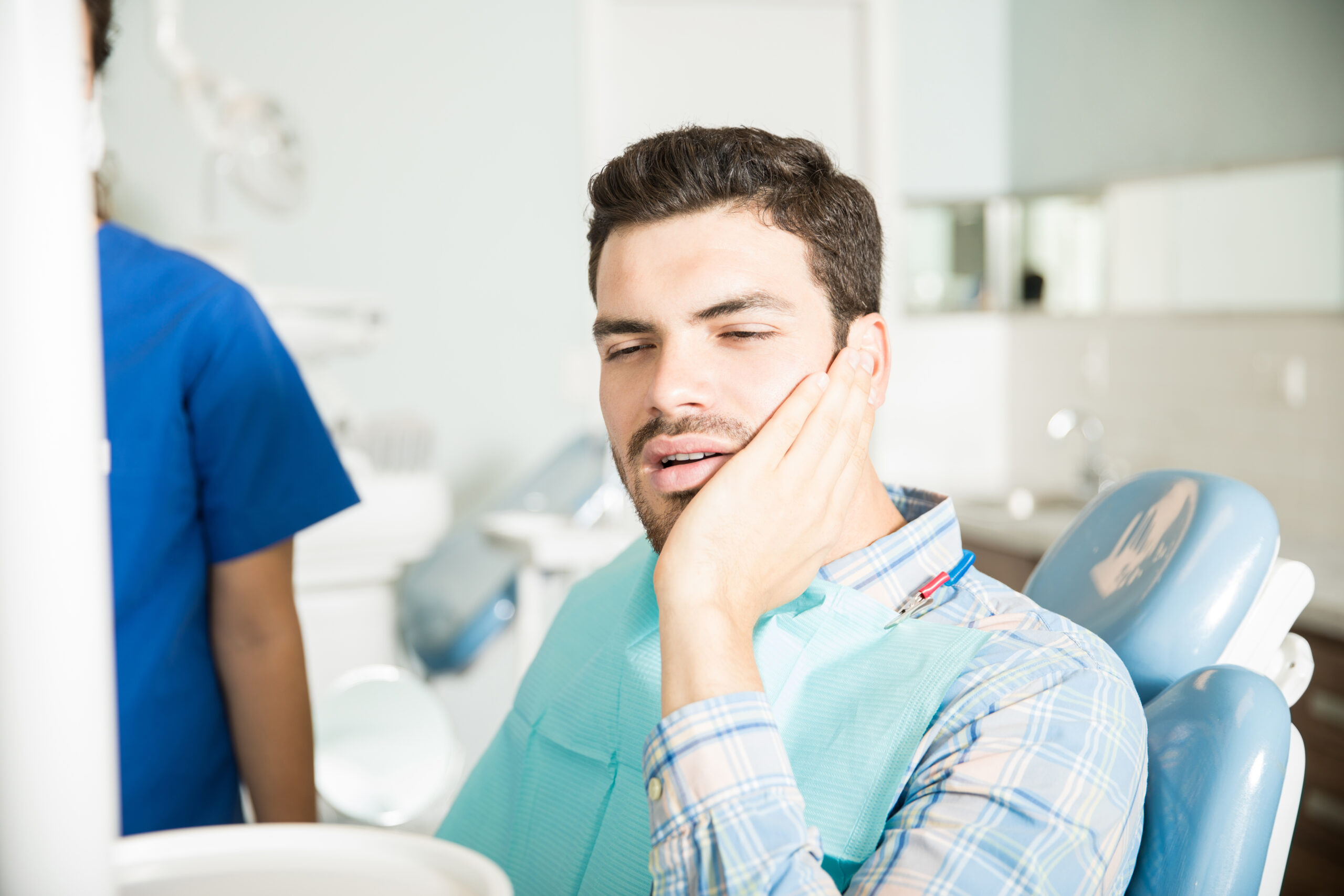
The result is a short-term sensitivity that many patients describe as a sharp or shooting sensation. It often occurs when eating cold foods or breathing in cool air. The feeling typically fades within 24 to 48 hours after treatment ends.
Several factors can make sensitivity worse. Patients with naturally thin enamel feel it more intensely. Those with existing gum recession or exposed tooth roots are also more prone to discomfort. Understanding your risk level helps Dr. Lombardi customize your treatment plan.
How Dentists Minimize Whitening Sensitivity in Sharon
Professional whitening at Dream Dental & Sleep is safer than over-the-counter alternatives. Dr. Lombardi uses professional-grade whitening products with controlled peroxide concentrations. This reduces the risk of overexposure to sensitive tissues.
Before any whitening treatment, Dr. Lombardi performs a full dental evaluation. He checks for cavities, gum issues, and areas of existing sensitivity. Treating these concerns first leads to a much more comfortable whitening experience.
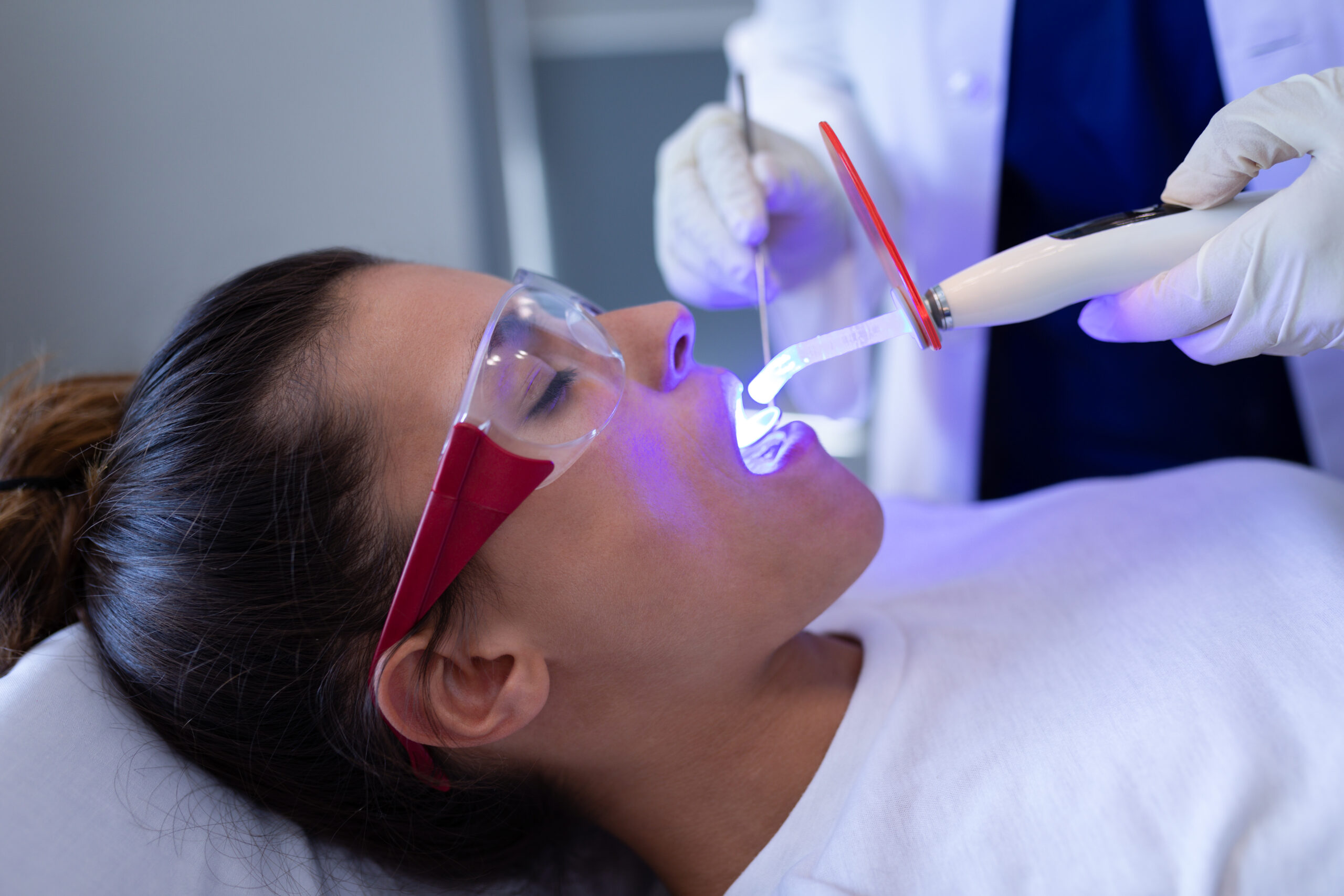
In-office treatments also include protective measures for your gums. A special barrier is applied before the whitening gel goes on. This shields soft tissue from the bleaching agent and lowers overall sensitivity risk.
- Custom-fitted whitening trays prevent gel from touching gum tissue
- Lower-concentration gels reduce nerve irritation
- Desensitizing agents are applied before and after whitening
- Treatment sessions are timed carefully to avoid overexposure
- Post-whitening fluoride treatments help seal dentinal tubules
What You Can Do at Home to Prevent Sensitivity
Your habits before and after whitening play a big role in comfort levels. Patients in Sharon can take several simple steps to minimize discomfort. Preparation makes a meaningful difference in how your teeth respond.
Start using a sensitivity-formulated toothpaste two weeks before your whitening appointment. These toothpastes contain potassium nitrate or stannous fluoride. Both ingredients calm nerve activity inside the tooth over time.
After whitening, avoid temperature extremes for at least 48 hours. Skip very hot coffee, ice cream, and cold drinks during this window. Your enamel is temporarily more porous and reacts quickly to temperature changes.
- Brush gently with a soft-bristled toothbrush after whitening
- Avoid acidic foods like citrus and vinegar-based dressings
- Rinse with a fluoride mouthwash to strengthen enamel
- Do not skip follow-up appointments with Dr. Lombardi
- Report any lingering sensitivity lasting beyond 72 hours
Over-the-counter whitening strips are a common source of severe sensitivity. They often do not fit your teeth precisely. Gel can seep onto gums and cause irritation that a professional tray avoids entirely.
Who Is Most at Risk for Whitening Sensitivity?
Not everyone experiences whitening sensitivity equally. Certain patients are more likely to feel discomfort. Knowing your risk level helps you and Dr. Lombardi plan accordingly.
Patients with gum recession are at higher risk. When roots are exposed, there is no enamel to buffer the whitening gel. The gel contacts root surfaces directly, which are far more sensitive than enamel-covered areas.
People with cracked teeth or untreated cavities should not whiten until those issues are resolved. Whitening gel can enter cracks and reach the inner pulp. This causes significant pain and can worsen existing dental problems.
Patients interested in Cosmetic Dentistry Sharon should discuss their full dental history with Dr. Lombardi before starting any whitening program. A personalized approach always delivers the safest and most effective outcome.
When Sensitivity Signals a Bigger Problem
Most whitening sensitivity is temporary and harmless. However, some cases warrant professional attention. Knowing the difference protects your long-term dental health.
If sensitivity persists for more than three days, contact Dream Dental & Sleep. Pain that is severe or throbbing is not a normal whitening side effect. This may indicate an underlying issue that needs attention.
Sudden tooth pain after whitening can sometimes signal a cracked tooth or an exposed nerve. These situations call for prompt evaluation. If you are experiencing sharp or lingering pain, consider reaching out to Emergency Dentistry Sharon for fast, professional care.
Dr. Lombardi monitors patients carefully throughout the whitening process. Any unusual reactions are addressed before they become serious problems. Your safety and comfort are always the top priorities at Dream Dental & Sleep.
Is Professional Whitening Worth It for Sharon Patients?
Absolutely — with the right precautions in place. Professional whitening delivers faster, longer-lasting results than store-bought options. It also comes with professional oversight that dramatically reduces sensitivity risk.
Dr. Lombardi tailors every whitening plan to the individual patient. He considers enamel thickness, existing sensitivity, and your smile goals. This personalized approach leads to brighter results with far less discomfort.
Patients in Sharon and the surrounding Hermitage area trust Dream Dental & Sleep for safe, effective cosmetic care. Whitening is just one part of a comprehensive approach to a healthier, more confident smile.
If you are ready to explore whitening without fear of sensitivity, our team is here to guide you every step of the way. Book Now to schedule your appointment with our team.
Frequently Asked Questions
How long does whitening sensitivity last?
Sensitivity from teeth whitening typically lasts 24 to 48 hours after treatment. In some cases, mild discomfort may persist up to 72 hours. Using a desensitizing toothpaste and avoiding temperature extremes helps speed up recovery. Contact Dr. Lombardi if sensitivity lasts longer than three days.
Can I whiten my teeth if I already have sensitive teeth?
Yes, but it requires extra preparation and professional guidance. Dr. Lombardi will evaluate your sensitivity level before recommending a whitening approach. Lower-concentration gels and desensitizing treatments can make the process comfortable for most patients. Pre-treating with sensitivity toothpaste for two weeks beforehand also helps significantly.
Is in-office whitening safer than at-home whitening strips?
Professional in-office whitening is generally safer for sensitive patients. Dentists use custom trays and protective barriers that prevent gel from touching your gums. Over-the-counter strips are not custom-fitted and can cause uneven gel exposure. Professional oversight also means any problems are caught and addressed immediately.
What should I avoid eating after teeth whitening?
Avoid very hot or cold foods and drinks for at least 48 hours after whitening. Steer clear of acidic foods like citrus fruits, tomatoes, and vinegar-based items. Dark-colored beverages like coffee, tea, and red wine can also stain freshly whitened teeth. Stick to neutral, room-temperature foods during the recovery window.
How often can I safely whiten my teeth?
Most patients can safely whiten their teeth once or twice per year. Whitening too frequently weakens enamel and increases long-term sensitivity risk. Dr. Lombardi will recommend a schedule based on your enamel health and whitening goals. Touch-up treatments at home can help maintain your results between professional sessions.