
Can a missing tooth be replaced with something that looks and functions like a natural tooth?
Missing teeth affect more than your appearance. They can make eating certain foods difficult, change the way you speak, and allow neighboring teeth to shift over time. Many people also notice a gradual loss of confidence when they smile. The encouraging news is that modern implant dentistry offers a long-term option that restores both function and appearance.
At Dream Dental & Sleep, located in Hermitage, Dr. M. Trott helps patients explore reliable tooth replacement options according to their oral health, lifestyle, and long-term goals.
If you have been considering dental implants in Hermitage or from nearby locations, understanding how the procedure works can help you make an informed decision. This guide explains who may benefit from implants, how they compare with other replacement options, and what you can expect throughout the treatment process.
Why Do Dental Implants Last So Long?
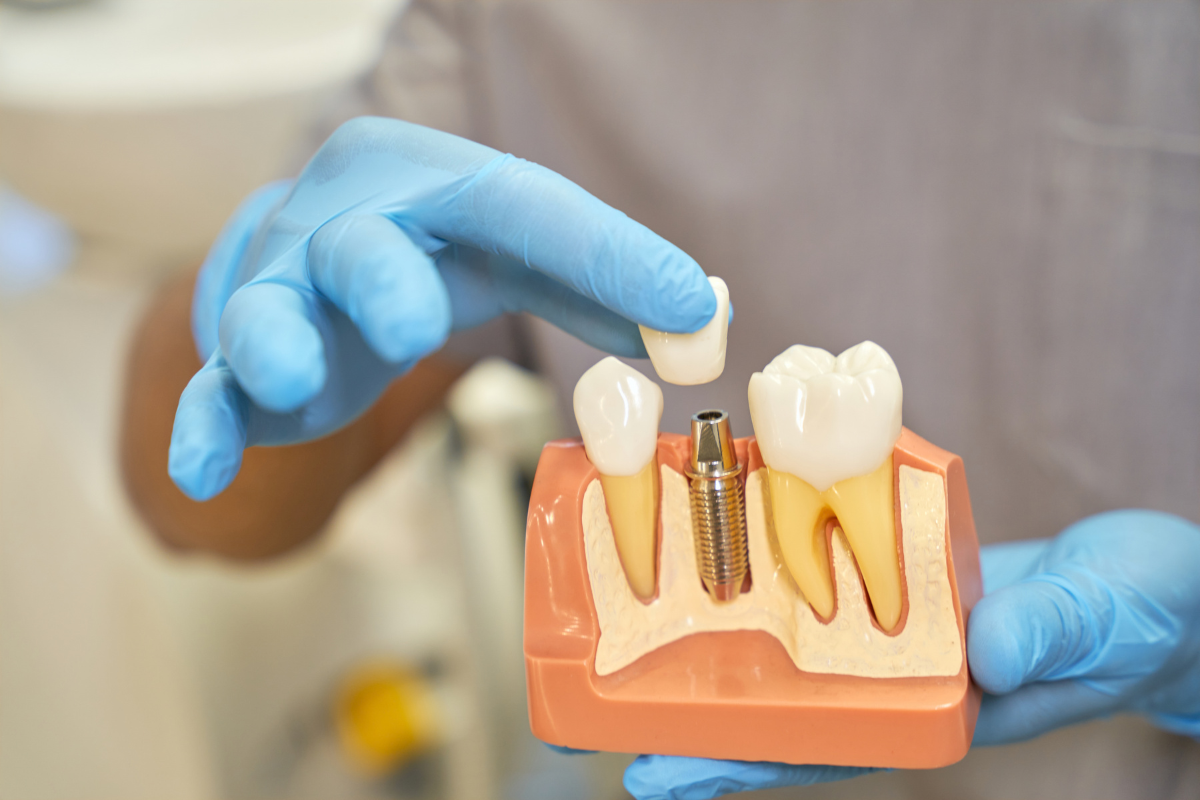
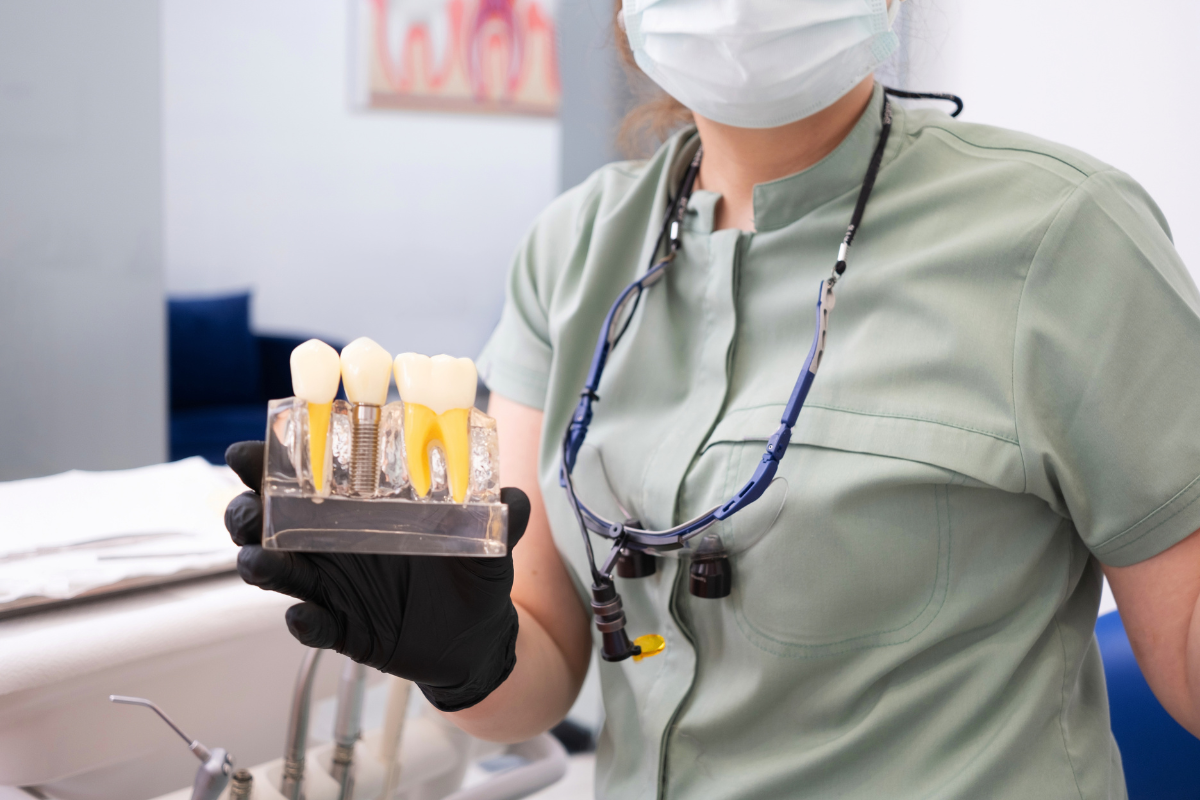
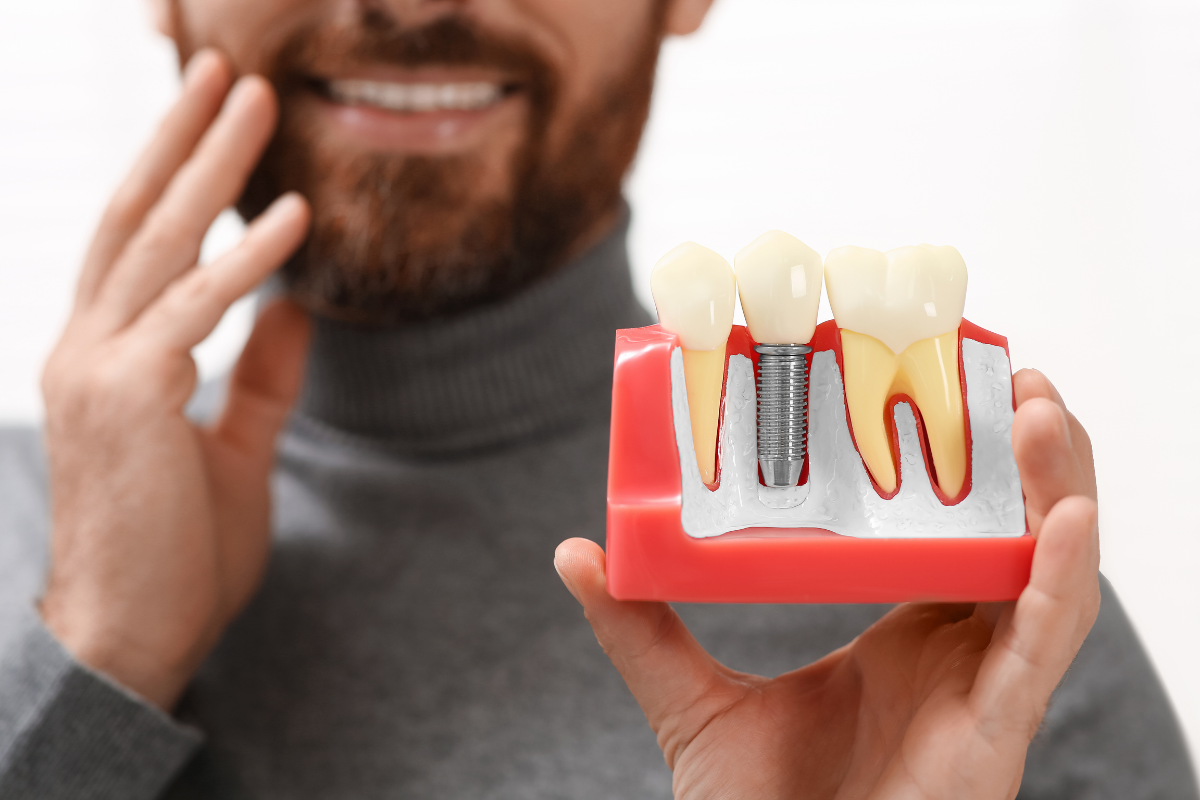
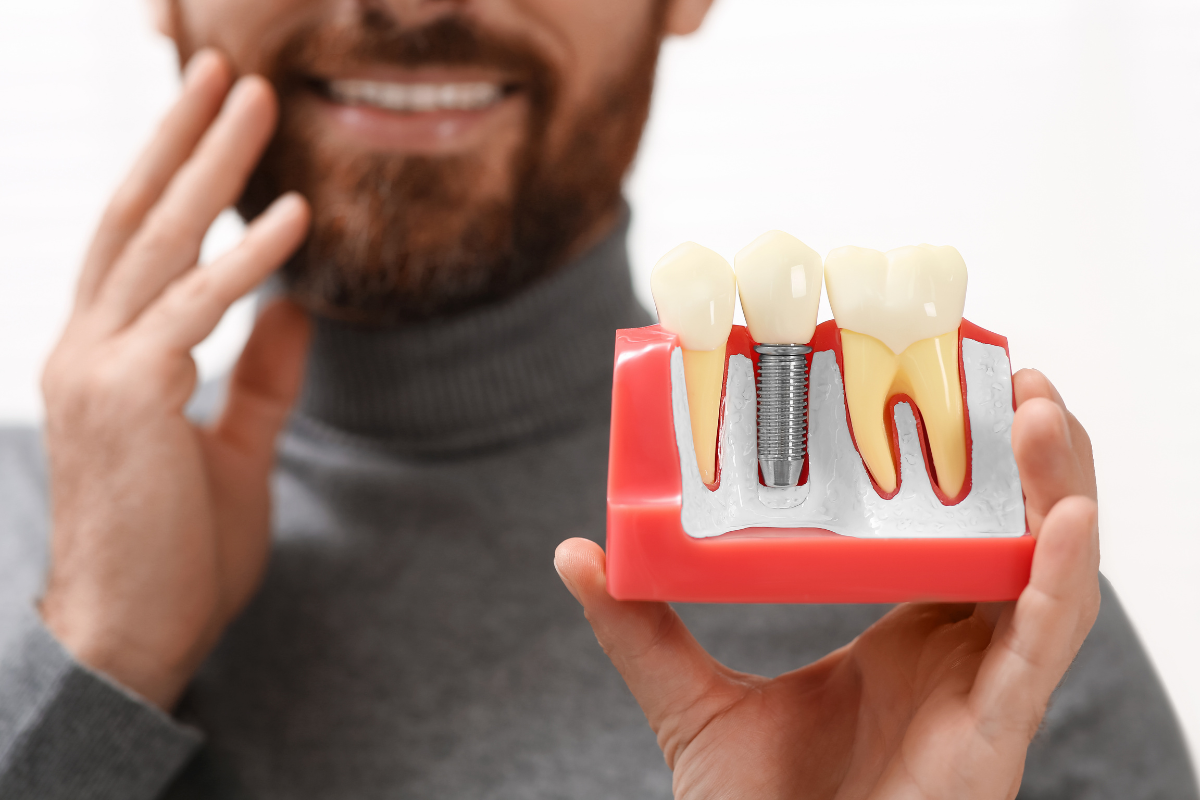
A dental implant replaces the missing tooth root, allowing it to become securely integrated with the jawbone. This stable foundation supports a custom restoration and helps preserve the surrounding bone.
Unlike removable appliances that rest on the gums, dental implants are placed directly into the jawbone. Over the next several months, the implant naturally bonds with the bone through a biological process called osseointegration. This creates a secure base for a dental crown, bridge, or denture.
Because the implant becomes part of the jaw, it can provide several long-term advantages:
- Helps maintain jawbone density
- Restores chewing efficiency
- Prevents nearby teeth from shifting
- Creates a stable foundation for replacement teeth
- Supports a natural-looking smile
With proper oral hygiene and routine dental care, many implants continue functioning successfully for decades.
Who Is a Candidate for Dental Implants?
Many adults with one or more missing teeth are candidates, but a professional evaluation is the only way to determine whether implants are appropriate.
Several factors are considered during your examination, including:
- Overall oral health
- Healthy gums free of active infection
- Adequate jawbone volume
- General medical history
- Smoking or tobacco use
- Bite alignment and chewing habits
Even if you are facing extreme loss, treatment may still be possible. In certain cases, procedures such as bone grafting can rebuild the supporting bone before implant placement.
Every patient has different needs. Someone who recently lost a tooth may require a different treatment approach than someone who has been missing teeth for several years.
What Makes Dental Implants Different From Bridges or Dentures?
Many patients ask whether implants are worth considering instead of traditional tooth replacement methods. The answer depends on your individual goals, oral health, and lifestyle.
| Feature | Dental Implant | Dental Bridge | Removable Denture |
| Replaces tooth root | Yes | No | No |
| Helps preserve jawbone | Yes | No | No |
| Fixed in place | Yes | Yes | No |
| May affect nearby teeth | No | Yes | No |
| Daily removal required | No | No | Yes |
Each treatment has advantages, and the right choice depends on your individual situation. During your consultation, your dentist will explain the benefits and limitations of every available option so you can make a confident decision.
Does the Implant Procedure Take a Long Time?
One of the biggest misconceptions is that implant treatment happens in a single appointment.
In reality, treatment occurs in carefully planned stages to encourage proper healing and long-term stability.
Step 1: Comprehensive Evaluation
Your visit begins with a detailed examination that may include digital X-rays or 3D imaging. These diagnostic tools help evaluate bone quality, identify important anatomical structures, and determine the ideal implant position.
Step 2: Implant Placement
The titanium implant is carefully placed into the jawbone under local anesthesia. Most patients describe the procedure as more comfortable than they expected.
Step 3: Healing and Osseointegration
Over the next several months, the implant gradually fuses with the surrounding bone. This healing period creates the strong foundation needed for long-term success.
Step 4: Final Restoration
Once healing is complete, a custom-crafted crown, bridge, or implant-supported denture is securely attached, restoring both appearance and everyday function.
Patients visiting Dream Dental & Sleep often appreciate that every phase of treatment is planned with precision, helping reduce surprises and ensuring each step supports lasting oral health.
Can Dental Implants Help Prevent Bone Loss?
An implant replaces the tooth root; it helps stimulate the jawbone during chewing. This stimulation supports bone health and reduces the gradual bone loss that often follows tooth loss.
When a tooth is missing, the underlying jawbone no longer receives the regular pressure from biting and chewing. Over time, the body begins to resorb that unused bone. This natural process can change the shape of your jaw and affect neighboring teeth.
Replacing a missing tooth early may help:
- Preserve healthy jawbone structure
- Support the natural shape of your face
- Reduce movement of surrounding teeth
- Improve long-term oral function
- Make future restorative treatment less complex
If you have delayed treatment, don’t assume implants are no longer an option. During your consultation, your provider will determine whether additional procedures, such as bone grafting, may be recommended before implant placement.
How Do You Care for Dental Implants?
Many patients are surprised to learn that caring for implants is similar to caring for natural teeth.
Although dental implants cannot develop cavities, the surrounding gums and supporting bone still require daily care. Healthy gums play an important role in protecting the implant for years to come.
Simple habits include:
- Brush twice each day using a soft-bristled toothbrush.
- Floss daily or use implant-friendly cleaning aids.
- Keep routine professional cleanings and exams.
- Avoid smoking whenever possible.
- Report discomfort or loose restorations promptly.
Most patients find that implants become part of their everyday routine without requiring complicated maintenance.
When Is the Right Time to Replace a Missing Tooth?
Many people postpone treatment because the missing tooth does not cause pain. However, waiting may allow other oral health changes to develop.
Over time, untreated tooth loss can contribute to:
- Shifting teeth
- Bite changes
- Uneven chewing pressure
- Additional wear on remaining teeth
- Progressive bone loss
A professional evaluation helps determine the right timing for treatment. Early intervention often provides more treatment options and may reduce the need for additional procedures later.
If you have been researching dental implants Hermitage, scheduling an evaluation can help you understand your current oral health before deciding on treatment.
Why Does a Professional Evaluation Matter?
Every missing tooth presents a different situation. Factors such as bone quality, gum health, bite alignment, and overall medical history all influence treatment planning.
Meeting with a trusted dentist in Hermitage allows your oral health to be evaluated using advanced diagnostic imaging and a comprehensive examination. Instead of recommending the same treatment for every patient, your provider can explain which restoration offers the greatest long-term benefit based on your individual needs.
At Dream Dental & Sleep, patient education is an important part of every consultation. Understanding your options helps you make confident decisions about restoring your smile.
Ready to Learn Whether Implants Are Right for You?
Replacing a missing tooth is an investment in your long-term oral health. If you have questions about your treatment options, now is the perfect time to book an appointment and receive a personalized evaluation.
Restore Your Smile With Long-Term Confidence
Living with missing teeth can affect your comfort, confidence, and oral health, but lasting solutions are available. At Dream Dental & Sleep, Dr. M Trott works closely with patients to determine whether permanent tooth restorations can help restore healthy function and a confident smile. If you’re considering dental implants in Hermitage, we invite you to visit our dental office to discuss your options and receive personalized care.
Frequently Asked Questions(FAQ’s)
How long do dental implants usually last?
Many implants remain successful for decades when they are properly placed and cared for. Daily brushing, flossing, regular dental visits, and healthy lifestyle habits all contribute to their longevity. A professional examination can also identify small concerns before they become larger problems.
Can older adults receive dental implants?
Age alone does not determine candidacy. Overall health, gum condition, and jawbone quality are much more important. Many older adults successfully receive implants after a thorough evaluation and enjoy improved comfort, chewing ability, and confidence.
Will eating feel different after receiving implants?
Once healing is complete, most patients report that eating feels natural again. Because implants are securely anchored in the jawbone, they provide greater stability than removable dentures and allow many patients to enjoy a wider variety of foods comfortably.
What happens if I have been missing a tooth for several years?
Even if a tooth has been missing for a long time, implant treatment may still be possible. Your dentist will evaluate the amount of remaining bone and determine whether additional procedures, such as bone grafting, could improve the chances of long-term success.
How do I know if an implant is the right choice for me?
The only way to know for certain is through a comprehensive dental examination. Your provider will review your oral health, medical history, diagnostic images, and treatment goals before recommending the most appropriate solution for replacing missing teeth.