
A severe toothache can disrupt your entire day. Whether caused by deep decay, trauma, or infection, there are times when removing a tooth becomes the healthiest option. The thought of extraction can sound intimidating, but with modern methods and gentle care, the process is smooth and virtually pain-free.
For many patients, tooth extractions in Hermitage are a necessary step toward healing, not something to fear. Knowing when an extraction is needed, what the procedure involves, and how recovery works can make the experience much easier and more comfortable.
When Does a Tooth Need to Be Removed?
Dentists always try to save natural teeth whenever possible. However, extraction becomes essential when a damaged or infected tooth threatens your oral health. Common reasons include:
- Extensive Decay: When a tooth is too damaged for fillings or root canal therapy.
- Severe Gum Disease: Advanced periodontal disease can loosen teeth and affect bone support.
- Infection: Deep infections that spread beyond the root often require removal.
- Impacted Wisdom Teeth: When wisdom teeth cause pain, swelling, or crowding.
- Overcrowding: Sometimes teeth are removed to make space for orthodontic treatment.
If you live in the Hermitage area and face one of these situations, your dentist can assess the problem and guide you toward the right treatment plan.
What Happens During a Tooth Extraction?
Hearing the words “tooth extraction” may cause anxiety, but understanding each step helps calm those nerves. The goal is to protect your comfort from start to finish.
1. Evaluation and Planning:
Your dentist begins by examining the tooth and taking digital X-rays. This step identifies the tooth’s condition, root position, and nearby bone structure, ensuring the safest removal possible.
2. Numbing the Area:
A local anesthetic completely numbs the site. You’ll remain awake but comfortable, feeling only mild pressure — not pain. Patients with higher anxiety can also discuss sedation options before treatment.
3. Gentle Removal:
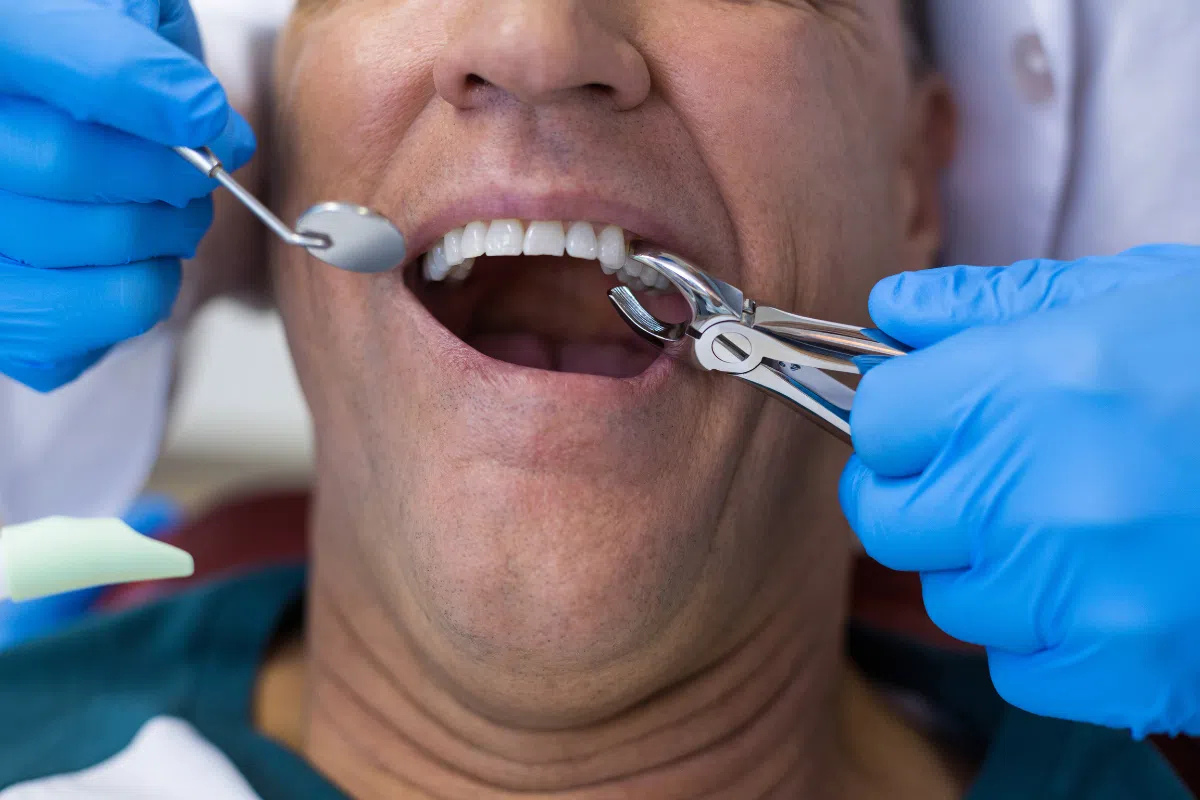
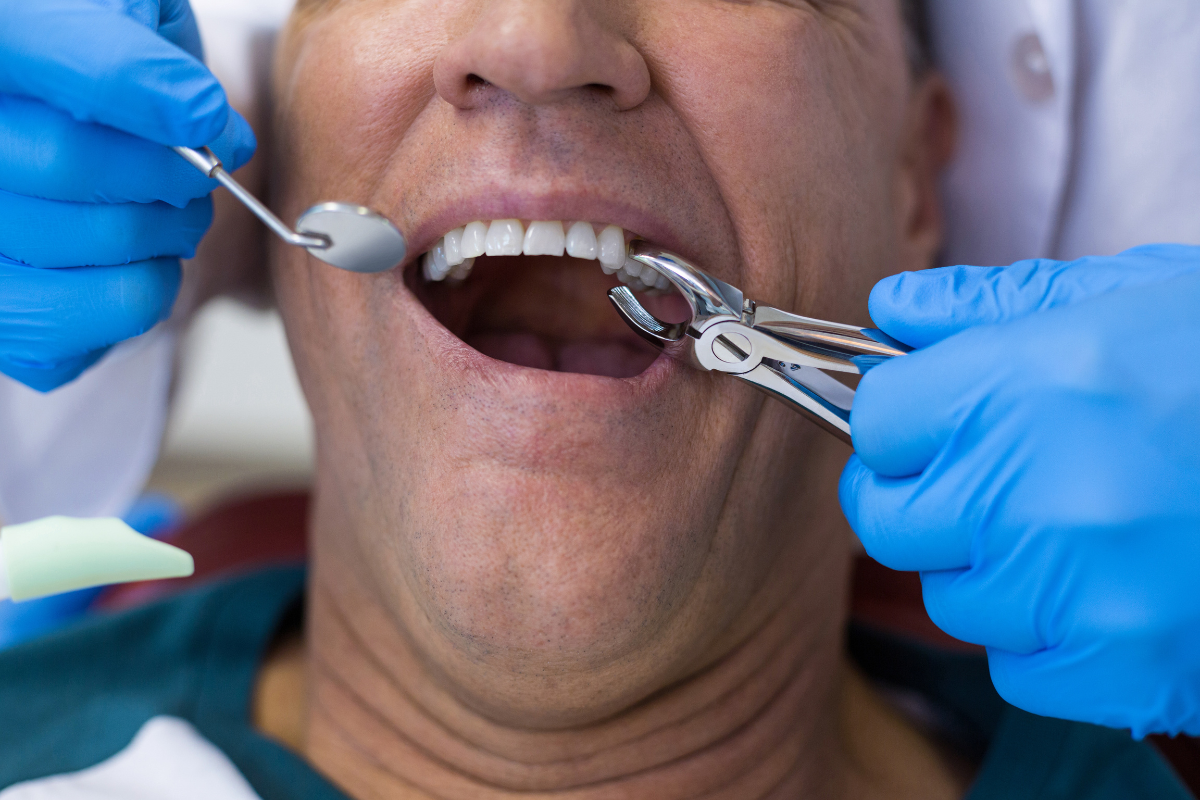
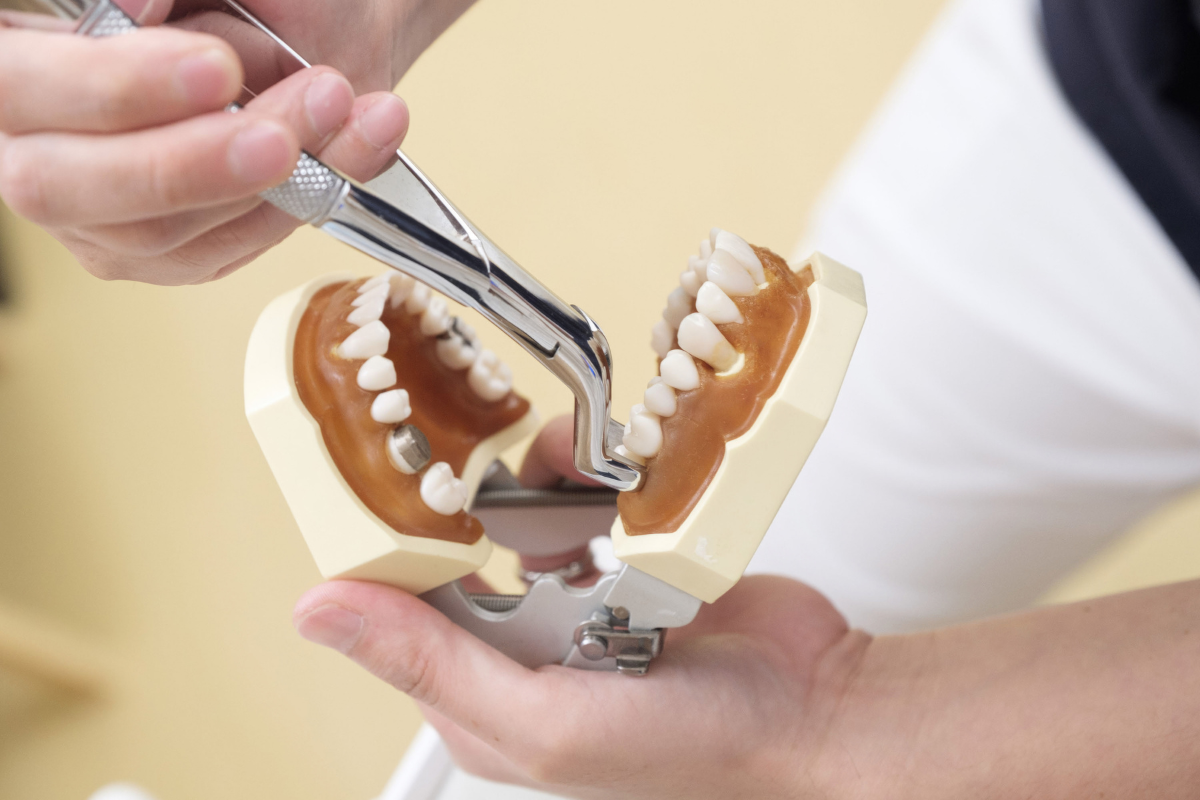
The dentist uses precise instruments to loosen the tooth from its socket. For visible teeth, this is called a simple extraction. If the tooth is broken or trapped under the gums, a small incision may be needed for surgical removal.
4. Cleaning and Closure:
After the tooth is removed, the area is carefully cleaned to prevent infection. In some cases, dissolvable stitches are placed to support healing.
5. Aftercare Instructions:
You’ll receive clear instructions on managing tenderness, controlling swelling, and keeping the site clean. Following these directions helps your mouth heal quickly and comfortably.
With advanced care and gentle handling, tooth extractions in Hermitage are often faster and easier than most patients imagine.
Healing and Recovery Timeline
Recovery is gradual, but most people feel normal again within one to two weeks. Here’s what to expect:
- First 24 Hours: Mild bleeding or swelling is normal. Keep the gauze in place and use ice packs as recommended.
- Days 2–3: The tenderness decreases, and you can slowly return to your regular diet with soft foods.
- One Week: The stitches (if any) begin to dissolve, and the gum tissue starts closing over the socket.
- Two Weeks: Most patients are fully healed, with little discomfort.
Avoid smoking, vigorous rinsing, and straw use during this period — these can slow healing. Staying hydrated, eating soft foods, and maintaining gentle hygiene will support faster recovery.
Restoring Your Smile After an Extraction
Removing a tooth is sometimes necessary, but it doesn’t mean you have to live with a gap. Once your mouth heals, your dentist can recommend ways to restore your smile’s look and function.
Dental implants permanently replace missing teeth, offering stability and a natural feel. Bridges can fill spaces between teeth, while partial dentures are removable solutions for multiple missing teeth. Replacing an extracted tooth enhances appearance and keeps other teeth from shifting out of place.
Choosing the right dental provider makes all the difference if you’re exploring restorative options. At Dream Dental & Sleep, patients receive gentle care and personalized attention for tooth extractions in Hermitage. Schedule an appointment to protect your oral health and regain comfort through compassionate, expert care.
Frequently Asked Questions (FAQs)
1. Is a tooth extraction painful?
No. Modern anesthesia makes the process nearly painless. You might feel pressure, but not actual pain, during the procedure.
2. How long does it take to recover after extraction?
Most people heal within one to two weeks, depending on the type of extraction and how closely they follow aftercare instructions.
3. What should I avoid after a tooth is removed?
For several days, avoid smoking, using straws, and eating crunchy foods. These can disturb the blood clot and slow healing.
4. Can I go back to work the same day?
It depends on the type of extraction. Many people return to normal activities the next day after a simple extraction.
5. When should I contact my dentist after the procedure?
Call your dentist if you experience persistent pain, swelling, or bleeding that doesn’t improve after a few days.